A Few Steps Closer to Spring

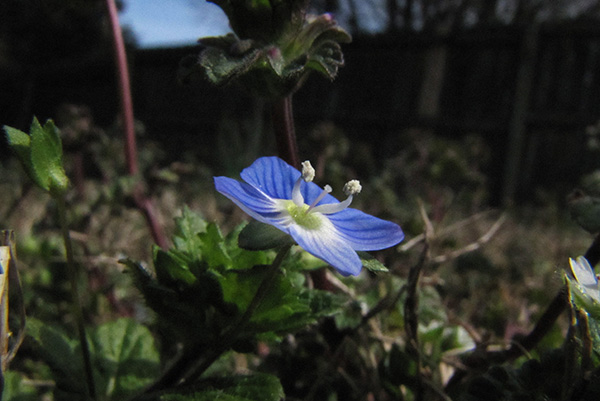
Weeds March 16

I usually count the first open-windows day as the first day of spring, but this year I confused the issue by cheating. One day last week, desperate for fresh air, I opened the windows and wore a coat in the house for a few hours. Which means I can’t count yesterday as the first.

Cat March 10

February is always a tough month for me. Its cold, sun-starved days routinely trigger new bouts of depression and anxiety. March, on the other hand, is usually a month of recovery.

Yard March 16

Yard March 16

And if this year’s recovery has been slower to start and harder to sustain than previous years, it has at least begun.

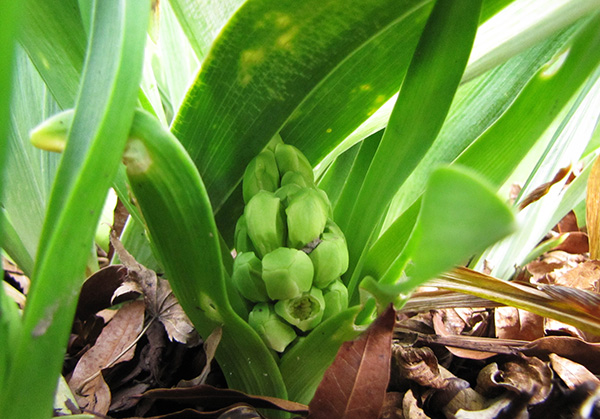
Hyacinth March 16

Hyacinth March 16

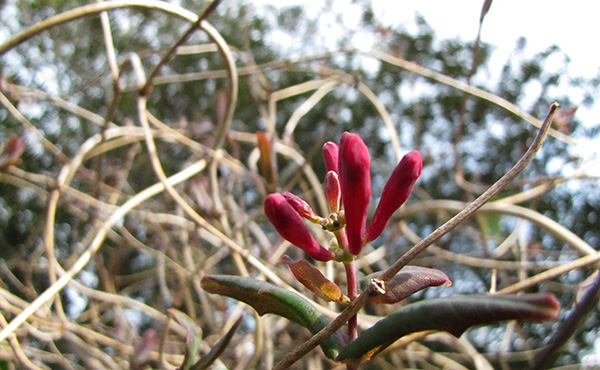
Honeysuckle March 16

Honeysuckle March 16

The weather forecast promises a return of winter before the week is finished, but the lengthening days will not allow it to stay.

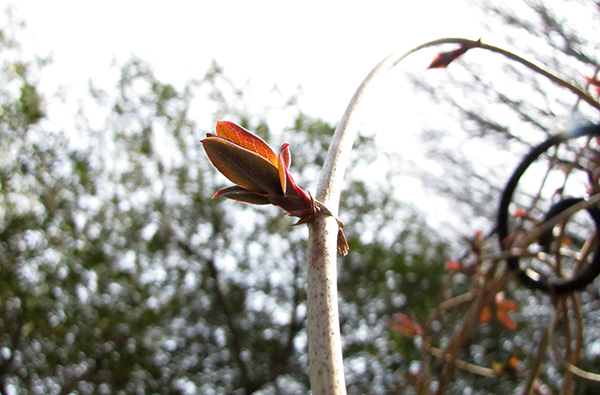
Hydrangea March 16

Soon the yard will be overrun and winter will fall away into memory, as it does every year.

Brown Thrasher March 16

Robin March 17

Rabbit March 17

Before and After

Three days ago the yard was leafing out in anticipation of spring.

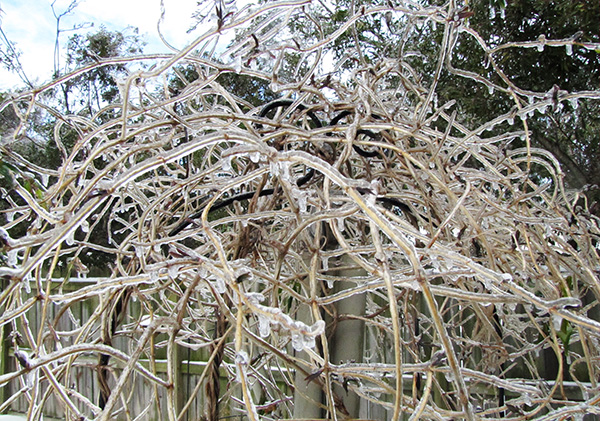
Honeysuckle Feb 14

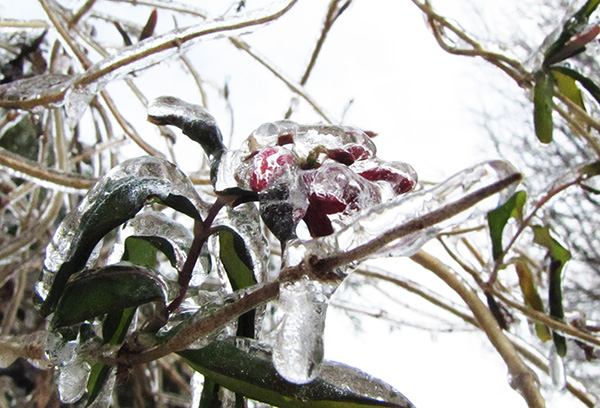
That was before winter tightened its icy grip.

Honeysuckle Feb 17

I don’t expect the honeysuckle will sustain any permanent damage.

Honeysuckle Feb 14

Honeysuckle Feb 17

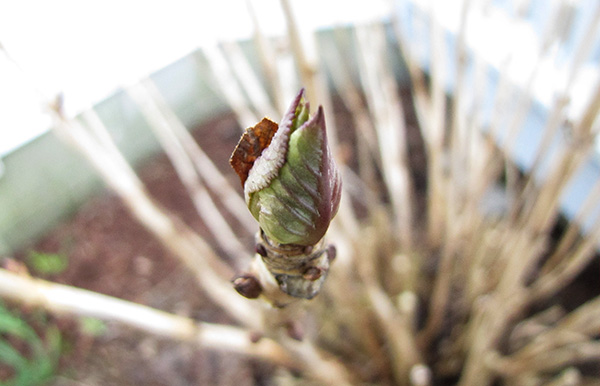
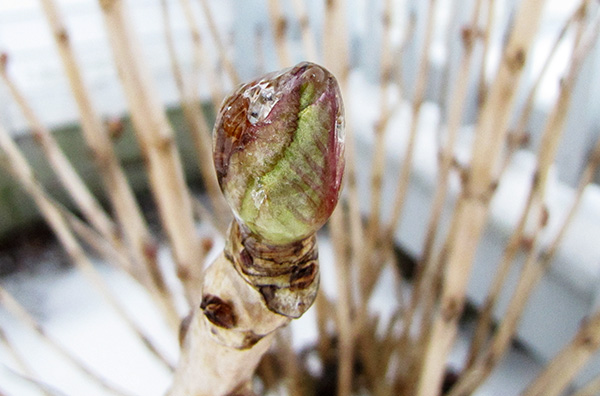
The hydrangea should also survive.

Hydrangea Feb 14

Hydrangea Feb 17

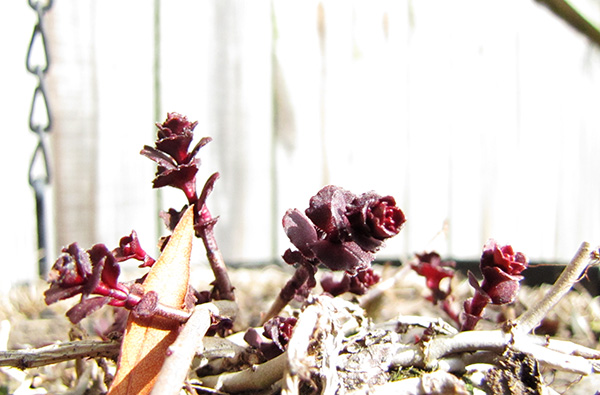
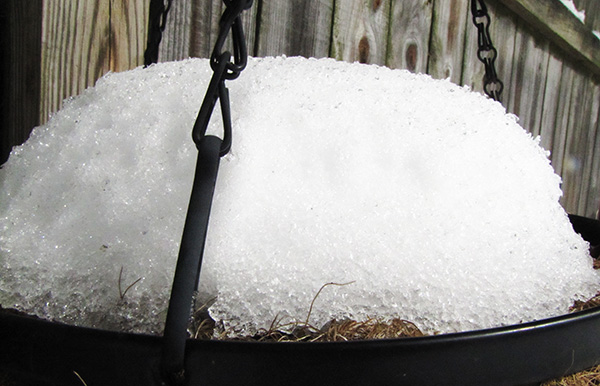
Because winter can’t hold on forever. The ice and snow will melt.

Stonecrop Feb 14

Stonecrop Feb 17

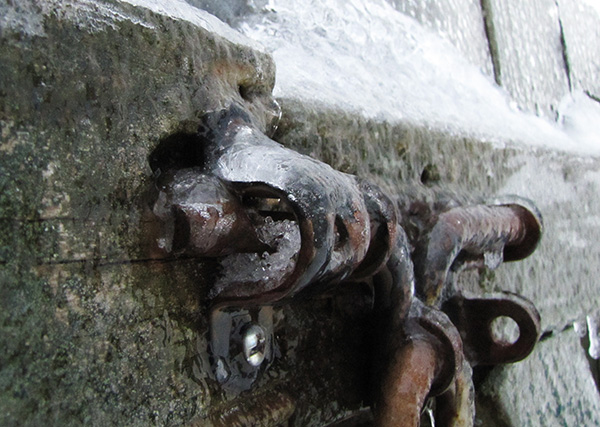
Soon I’ll be able to pry open the frozen gate and let spring edge a few steps further into the yard.

Gate Feb 17

From the Dragonfly Archive

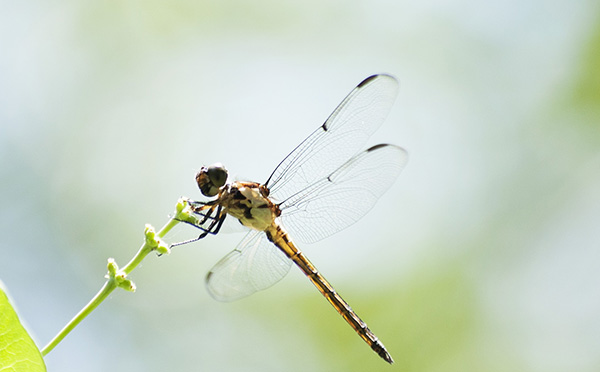
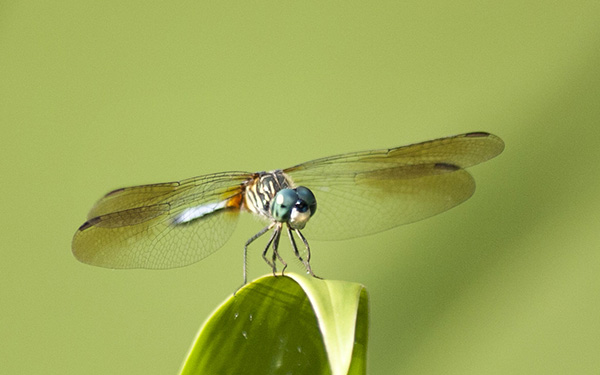
Dragonfly June 26

Today’s gray gloom can’t be conquered by normal means.

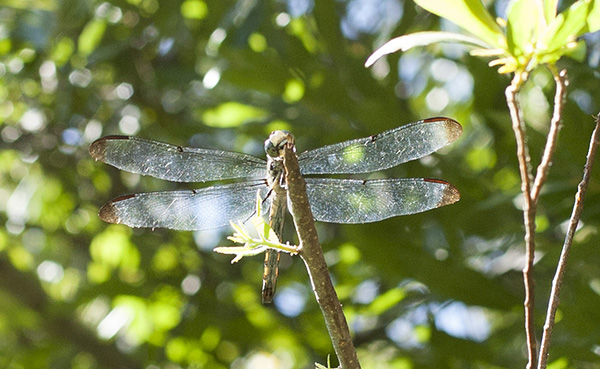
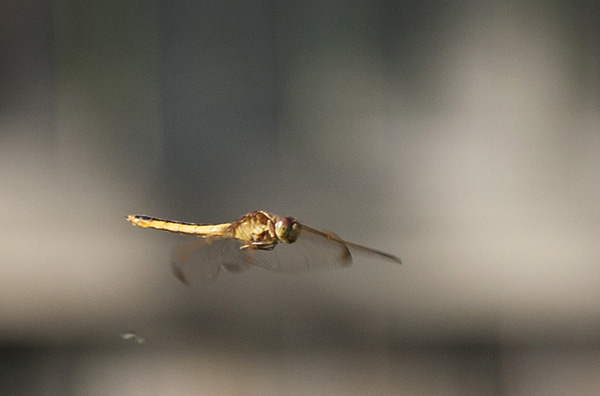
Dragonfly July 25

Blankets and hot chocolate are no match for the wind’s creak and scrape.

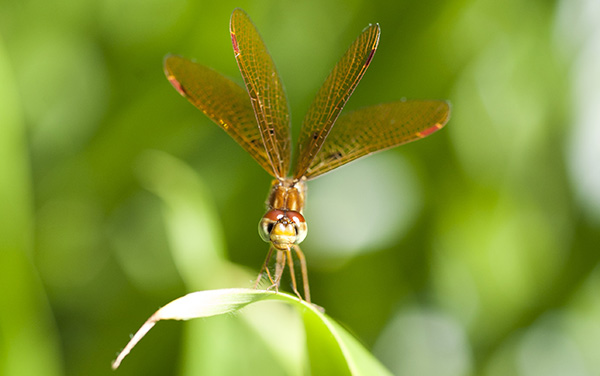
Dragonfly July 23

Even the cats have given up. They’ve abandoned their interest in my newly reorganized guest room/office and curled up in their favorite beds.

Dragonfly July 5

I would join their willful hibernation if I could, but my to-do list is on the verge of collapsing under its own weight and becoming a singularity from which I can never escape.

Dragonfly Aug 24

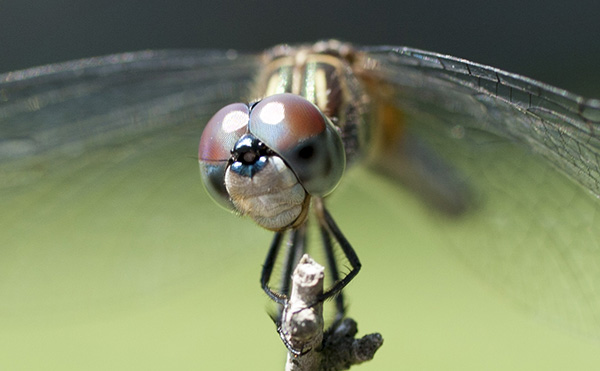
So, when sleep is not an option, the only remaining cure for a day like today is dragonflies.

Dragonfly July 28

Lots and lots of dragonflies.

Dragonfly July 26

I feel better already.

Four Birds

Last fall we stopped buying bird seed when we took down the bird houses, and for the same reason. Just as the houses were no longer housing birds, the seed was no longer feeding birds.

Rats Sept 21

Rat May 17

I haven’t seen rats in the yard this winter, but I also haven’t seen many birds. Hopefully our winter flocks are finding plenty of alternate food sources.

Warbler Feb 3

Yesterday I watched through the kitchen window for nearly an hour and saw a total of four birds. The little yellow-rumped warbler in the above photo was foraging for insects along the fence, while a robin and a mockingbird basked in the pear tree, sleepily soaking up sunshine.

Robin Feb 3

Mockingbird Feb 3

The most interesting activity took place in the wax myrtles, where a young yellow-bellied sapsucker was tending its sap wells.

Woodpecker Feb 3

(I decided this was a juvenile sapsucker after consulting Cornell’s All About Birds website. Please comment if you can confirm or correct my identification!)

Woodpecker Feb 3

I couldn’t help wondering about the origin of the sapsucker’s behavior, which strikes me as fairly advanced problem solving. This young bird likely learned to make sap wells by observing its parents, but how did its earliest ancestors learn their craft? Did the behavior surface gradually, a slow convergence of experience and appetite? Or was the shift a more sudden spark? Is there a sap well gene?

Woodpecker Feb 3

Some part of me wants to argue against a purely genetic origin for the sapsucker’s wells. My objections are all based on wistful incredulity, on a deep-seated longing for connection beyond mere knowledge. My objections are, in other words, illogical. But they are also persistent. No matter how many books I read, no matter how much science I embrace, some part of me still wants life to mean more.
More from the Monarchs

Here’s another look at the yard’s first monarchs, this time in a video/time lapse shot by my husband…