More Snow on the Way

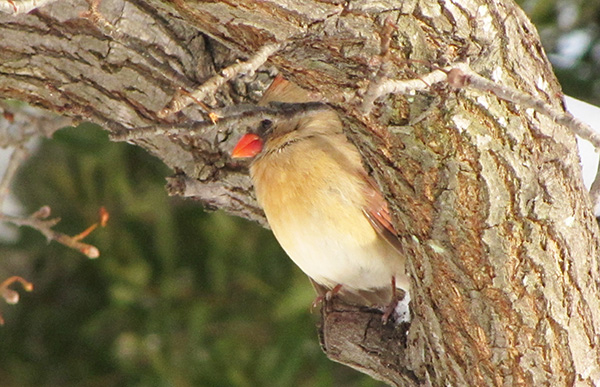
Cardinal Jan 22

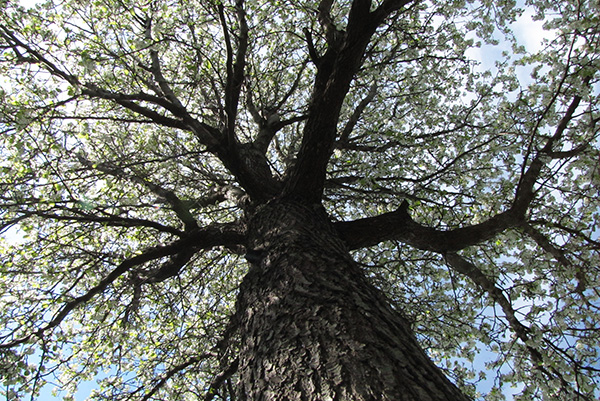
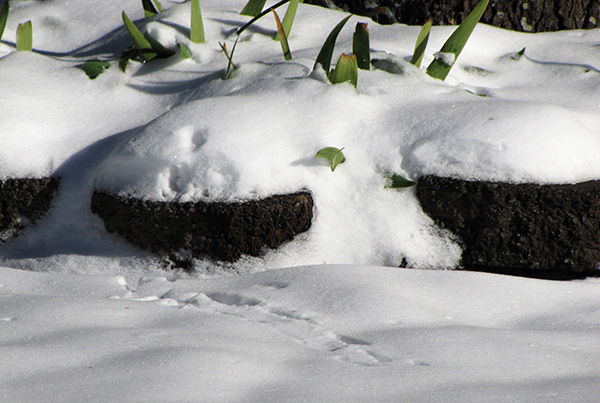
Last week a snowstorm clipped our area as it funneled down from the north. This week a snowstorm is barreling up from the south.

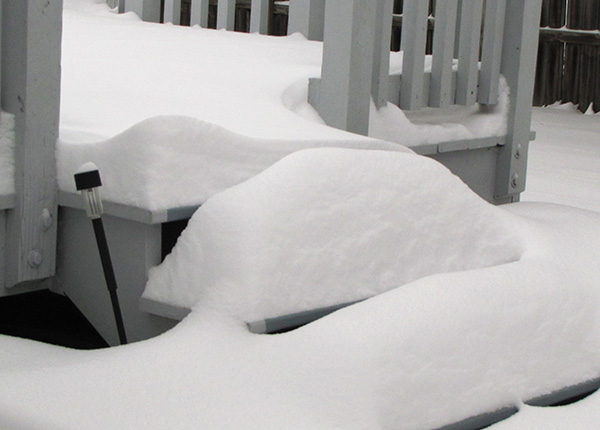
Snow Jan 22

Snow Jan 22

Snow Jan 22

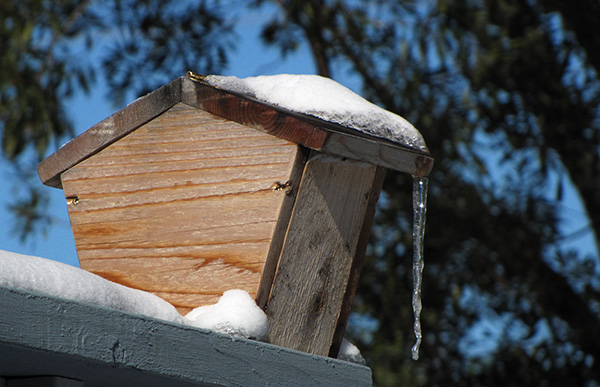
After complaining my way through two mild winters, I’m trying to focus on the happier aspects of a “normal” winter. Fresh snow is pretty, hard freezes mean fewer insect pests in the summer, and icy walks renew my gratitude for warm blankets and hot water.

Snow Jan 22

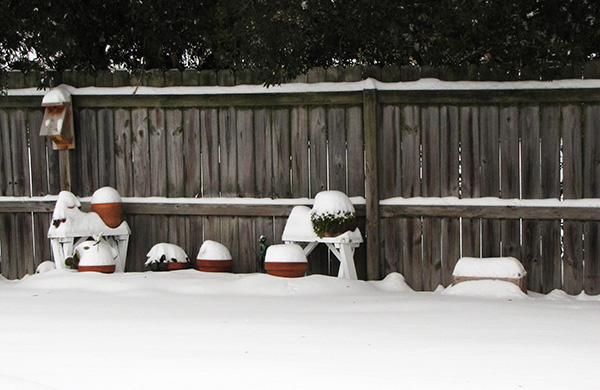
Snow Jan 23

Snow Jan 22

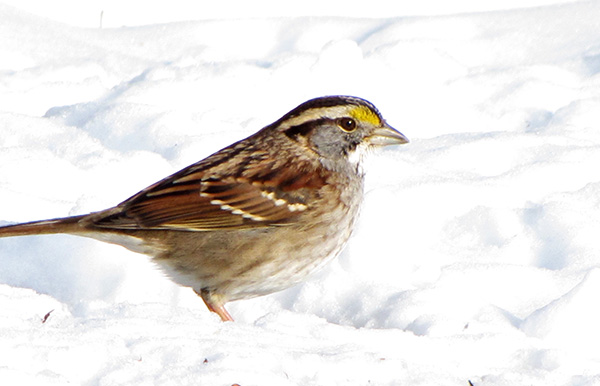
Song Sparrow Jan 23

Song Sparrow Jan 23

Red Winged Blackbird Jan 23

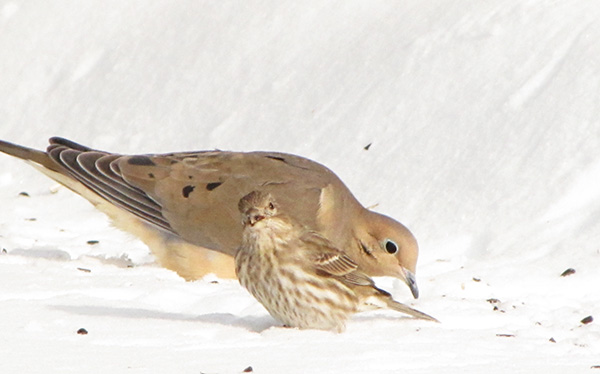
Sparrow Jan 23

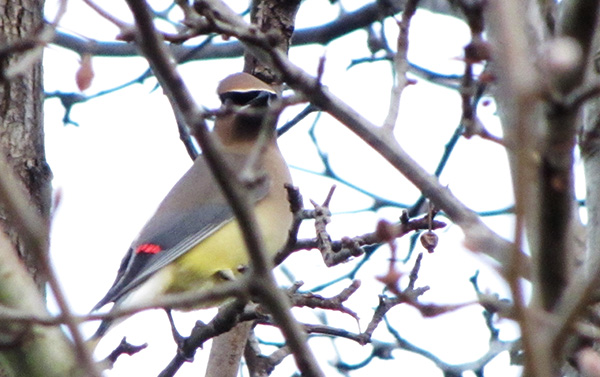
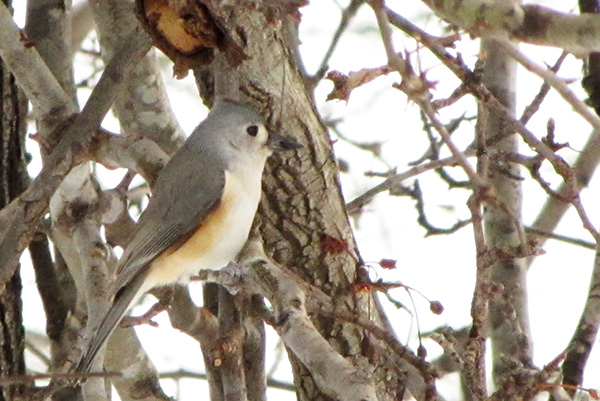
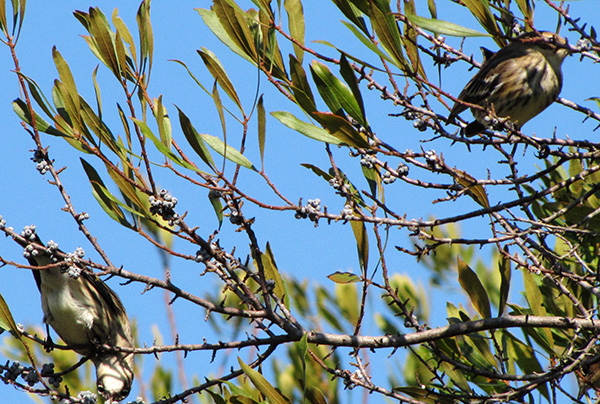
Birds Jan 23

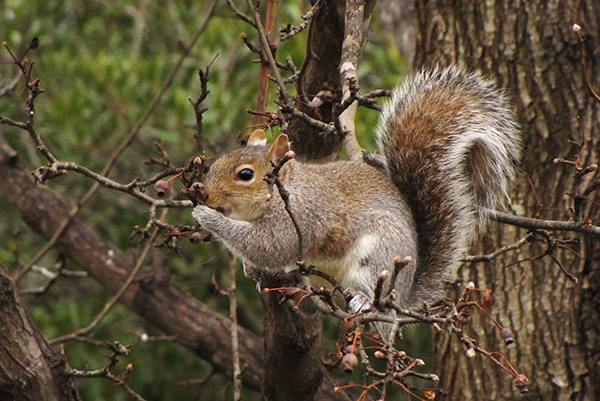
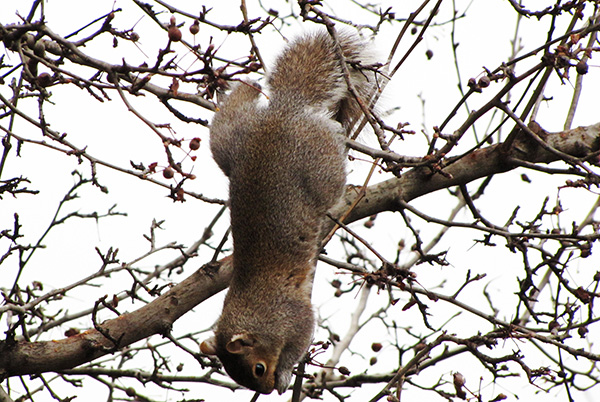
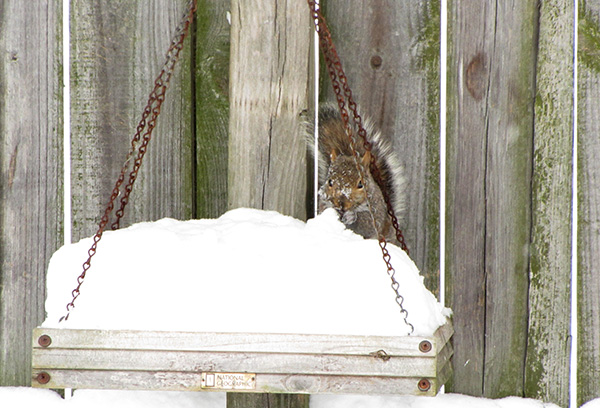
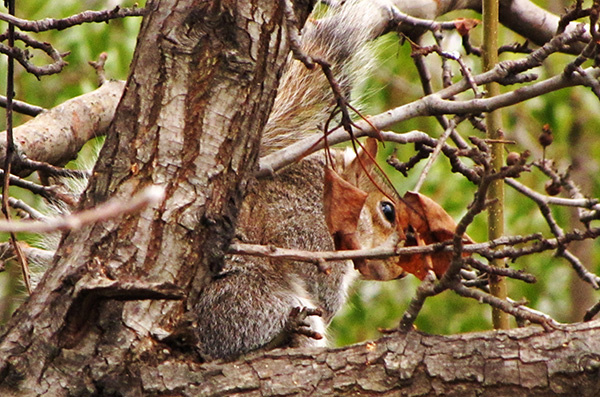
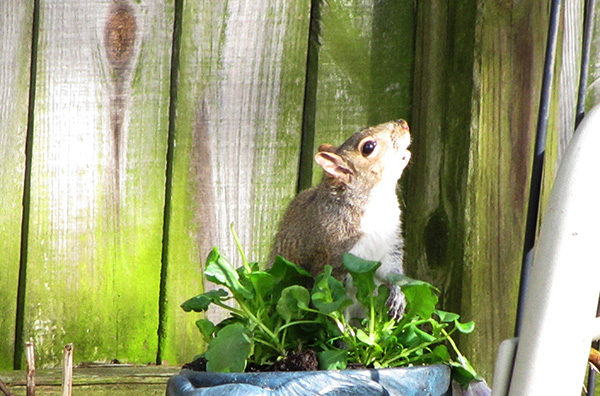
Squirrel Jan 23

What do you love best about winter?

Snow Jan 22

Carolina Wrens

Carolina Wren Jan 16

Carolina Wrens are rare visitors in the yard, so I was excited to see a pair of them last week.

Carolina Wren Jan 15

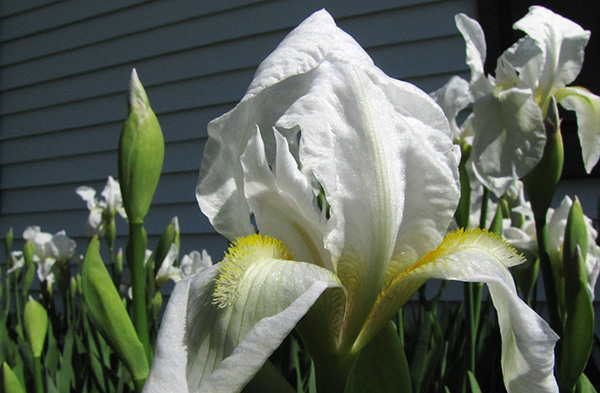
With vivid eyebrows and down-curved bills, these little wrens always look a bit grumpy to me. They are active foragers, and the pair in our yard spent hours sifting through the iris beds in search of insects. They tossed leaves and other wintry debris out of the beds as they hunted, and I couldn’t help imagining a dialogue of fussy disapproval.

Carolina Wren Jan 15

“Just look at these irises! Have you ever seen such?”

Carolina Wren Jan 15

“Never! They’re buried in leaves!”

Carolina Wren Jan 14

I was tempted, watching the wrens, to pull on my gloves and give the iris beds a thorough cleaning. But winter is far from over, and the irises need their blanket of leaves. Especially on nights like tonight, when wind-driven snow is swirling through the yard…

Little Brown Skinks

Skink Jan 13

Earlier this week I took a long walk on the Osmanthus Trail at First Landing State Park. The day was eerily warm, and I was not the only one enjoying the bright sunshine. I saw dozens of Little Brown Skinks (which are also called Ground Skinks.)

Skink Jan 13

All along the trail glittering flashes of brown slipped into cover as I approached. If I stopped and stood very still, they emerged again.

Skink Jan 13

Sometimes they emerged in pairs and scuffles broke out. Or resumed.

Skink Jan 13

Skink Jan 13

Skink Jan 13

I wondered if these were mating displays or true battles for territory.

Skink Jan 13

The skinks were so entertaining that I kept my camera focused on the ground for much of my walk. Even so, I caught a single frame of a curious Hermit Thrush.

Hermit Thrush January 13

And I never pass up an opportunity to photograph Hooded Mergansers.

Hooded Merganser Jan 13

I missed photos of woodpeckers and chickadees and an unfamiliar warbler, but I don’t regret the day’s lizard fixation. I’m delighted to add Little Brown Skinks to the archive, because there is always room for life. My archive will never be full, and I will never tire of trying to fill it.

Fisherman Island National Wildlife Refuge

Fisherman Island National Wildlife Refuge is located off the southern tip of Virginia’s Eastern Shore. The island is closed to visitors during the summer, but guided tours are offered on Saturday mornings during the winter months.

Walking 13

I have passed over Fisherman Island many times, by way of the Chesapeake Bay Bridge-Tunnel, but never found time to schedule a tour. Until last Saturday. Which turned out to be a very foggy Saturday.

Walking 12

I have to confess, I still didn’t schedule the tour. One of my dear friends made an appointment for our writing group to visit the island. Add in three tour guides, and the eight of us made enough noise to send most of the wildlife into cover.

Walking 1

But wildlife isn’t all the island has to offer. Its landscape is wind sculpted and salt stressed, trapped between the ever-restless currents of the Atlantic Ocean and the Chesapeake Bay.

Walking 6

Walking 10

For me, the Prickly Ash trees (also known as toothache trees or Hercules’ clubs) captured much of the island’s strange, raw beauty.

Toothache Tree

Toothache Tree

The Bay-side beach is one of the anchor points for the Bridge-Tunnel. It’s a wide, windy expanse of sand, littered with shells and other offerings from the waves. The tide line is marked by driftwood and heaps of debris.

Beach

Shells

Shells

Shells

Shells

Shells

Jellyfish

Beach

Shells

Crab

A short distance from the beach, the tour guides keep a collection of the island’s rarer finds. Our group added a sea turtle rib to the collection.

Shells

Shells

Bones

Bones

The island hasn’t always been a Wildlife Refuge. For that matter, the island hasn’t always been. According to a handout we received before beginning our tour, the island was first mentioned on navigation charts in 1815. It was only a sandbar at the time. By 1852 it had grown to 25 acres.

In 1886 a quarantine station was built on the island, consisting of seven buildings. During World War I the island became a military installation, and again during World War II. There hasn’t been a military presence on the island since 1969, but evidence of its past importance remains. The whale and sea turtle bones shown above rest on a concrete road. Dunes and rises morph into bunker entrances. Remnants of towers watch over cordgrass marshes, and greenbrier twines through rusty girders.

Abandoned

Abandoned

Abandoned

Abandoned

Our guides told us that Fisherman Island is continuing to grow. What started in 1852 as 25 acres now measures 1850 acres, though they are acres on the move. The entire island is shifting westward. Its drift is slow by my clock, but barrier islands keep a different clock.

Beach

Which might explain why our few hours on the island felt so wonderfully suspended from the world’s usual pace.

A Short Walk in New Shoes

Tomorrow I am going on an Adventure! I’m so excited about the Adventure that I bought new shoes, which I decided to test by going for a walk today.

Geese Jan 10

I pulled into Ashville Park barely thirty minutes in front of a line of rain, so I didn’t have time to walk very far. I had enough time, though, to find the resident pair of domestic geese. These geese were featured in our local newspaper in 2010, “Sit back and enjoy the tale of Jack, the lonely goose,” and I’m happy they are still thriving.

Geese Jan 10

Geese Jan 10

Further down the road, I spotted an unfamiliar silhouette on a long, narrow pond. Before I got close enough to try for a photo, a sparrow began sounding an alarm and the slender diving bird disappeared. I waited a while, but the mysterious diver never returned.

Sparrow Jan 10

While I was photographing the sparrow (I believe this is a Song Sparrow), I spotted some unusual activity in a nearby stand of trees. Several vultures were resting together, at least five, and two more joined the group while I watched.

Vultures Jan 10

(The three in the bottom photo are definitely Turkey Vultures, but I can’t decide if the top photo shows a Black Vulture or an immature Turkey Vulture.)

Vultures Jan 10

More vultures were circling in as the rain arrived and chased me back to my car. My camera got a bit wet, as did my new shoes, but both have already dried and are waiting by the door for tomorrow’s Adventure. I may not be able to sleep tonight!