
After last summer’s monarch success, I was eager to attract more butterflies to the yard. My sister-in-law frequently sees Black Swallowtail caterpillars on the dill she grows in her garden, so I planted a basket of dill this spring. A bit of online research convinced me to plant fennel and parsley, too.

Soon there were eggs.

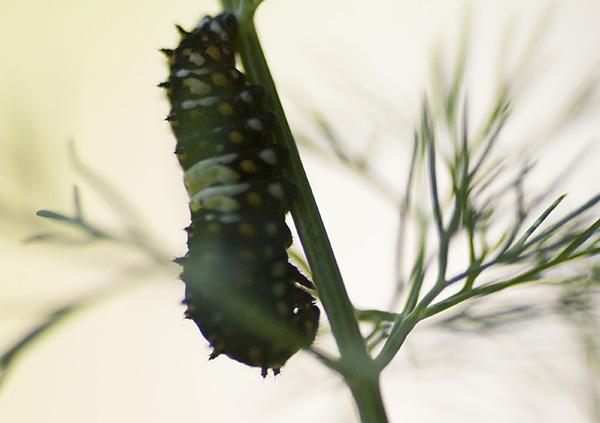
Then there were caterpillars.


Dozens of caterpillars.


And then the caterpillars began disappearing.
The yard has many caterpillar predators, but I suspect the house wrens were responsible for most of the swallowtail disappearances. I don’t believe any of summer’s early caterpillars survived, though new eggs constantly dotted the parsley leaves.

In late June, the caterpillars molted through four instar stages before the predators found them.


One evening I counted twenty-one caterpillars on the parsley. The next morning, all but one were gone. I spent half the day arguing with myself, debating the wisdom of interfering with the yard’s processes. (Past experience has taught me that nothing ever goes as planned. Complications arise.)
When the final parsley caterpillar disappeared shortly after noon, I caved. I dug out an old butterfly tent I had purchased on impulse several years ago and moved eleven caterpillars from the fennel and dill into the tent, adding “feed the caterpillars” to my daily routine.


They seemed content with the new arrangement, and proceeded to eat every morsel of the remaining parsley, fennel, and dill. When I had nothing left to feed them, I made a return trip to the garden store.

(At this point, the part of me that had argued against adopting the caterpillars said “I told you so.”)

Thirty dollars later, the caterpillars were eating again. There were twelve hungry mouths now, because one of the new fennel plants came with a new caterpillar.

And the new parsley came with a chrysalis hidden deep within its stems, raising my possible butterfly count to thirteen.

As any fan of The Hobbit knows, thirteen is not a happy number. So I wasn’t surprised when two of my adopted caterpillars died of unknown causes during the following days. But those deaths seemed as if they might be the end of my swallowtail setbacks, because the other ten caterpillars gorged until they were ready for their final molts.

One-by-one they stopped eating and began roaming, exploring every inch of the tent. I couldn’t tell if they chose certain spots, or if they simply crawled until they were too tired to crawl any more. Whichever was the case, when they finally stopped, they belted themselves in place with a strand of silk and relaxed into waiting poses.

And then they molted one last time.
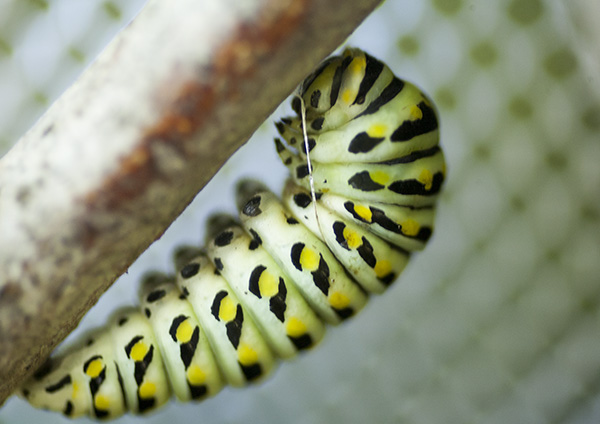
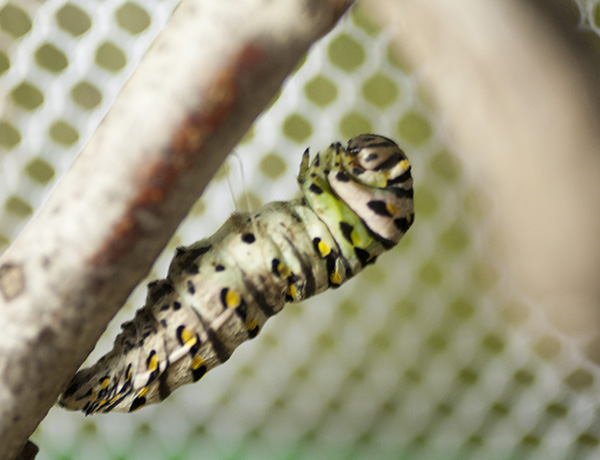


Some of them made brown chrysalises, but most were green.


Before my ten caterpillars finished molting, the chrysalis hidden in the parsley opened unexpectedly. When we released the butterfly, it flew away too fast for photos.
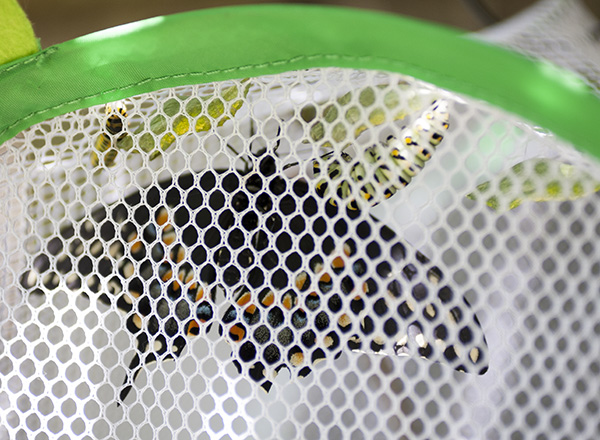
Two days later I woke to find that something had torn a hole in the tent, during the night, and destroyed four of the chrysalises.

(The part of me that had argued against adopting the caterpillars might have muttered “I told you so” as I surveyed the damage.)

Still determined to see butterflies, I took the tent apart and fashioned a new, stronger butterfly habitat out of a plastic storage container. Then the six remaining chrysalises began spending their days outside and their nights in the garage.


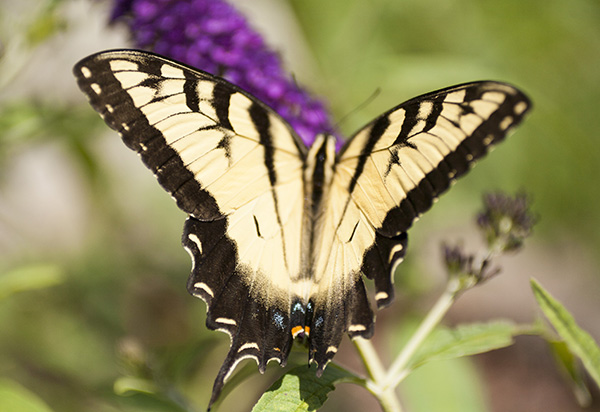
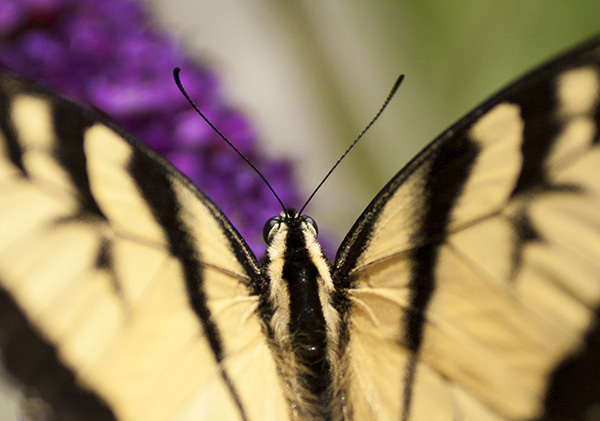
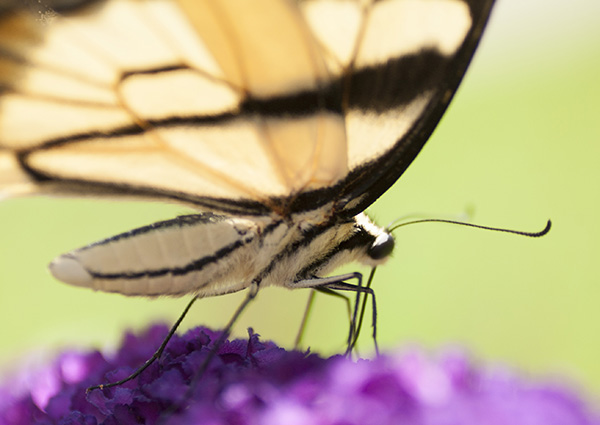
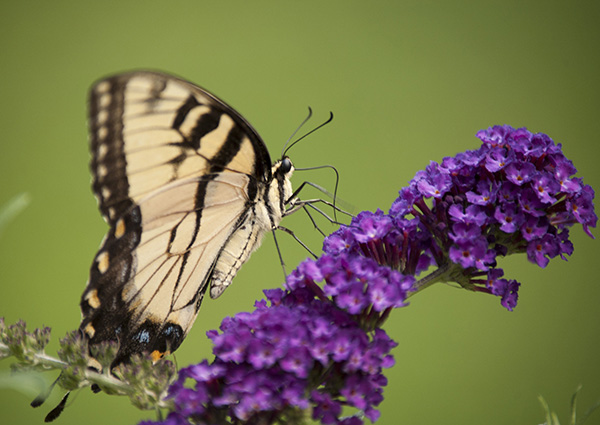
Today the first chrysalis opened, and the first butterfly emerged.
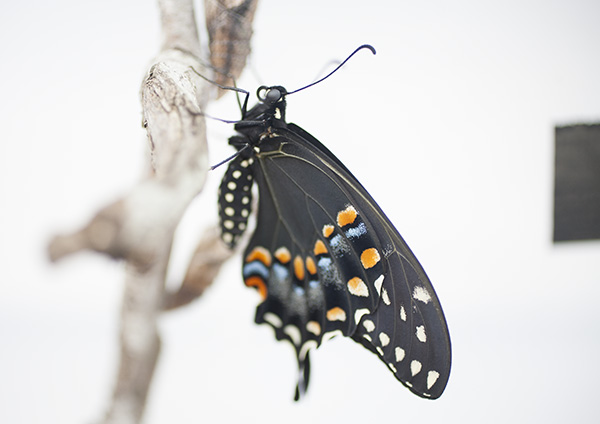
As I watched her fly away in search of nectar, the part of me that had argued in favor of adopting the caterpillars said, “I told you so.”

Next week, after all of my butterflies have flown away, I’ll adopt some of the new caterpillars that have recently hatched on the parsley, and I’ll start all over again.






 Rae Spencer