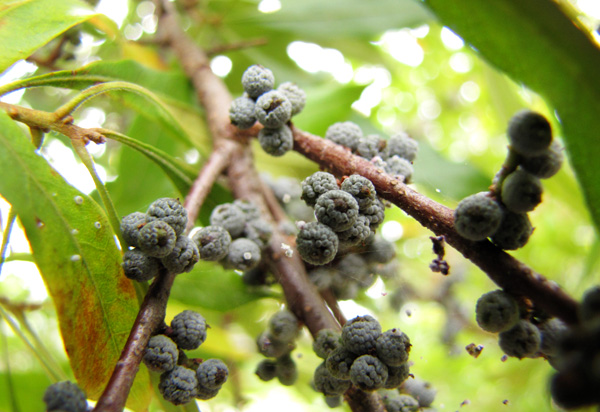
The Wax Myrtle and Yellow-rumped Warblers

Much of the yard’s fall and winter activity takes place in the wax myrtles. (I believe ours are southern wax myrtle. Other names include Southern bayberry or candleberry.) I’ve never bothered to count, so I don’t know how many individual plants make up the barrier between our fence and the sidewalk. Enough to create a unique habitat in the yard.

More tree than shrub, the wax myrtles are distinctly male and female. Only the females produce berries. (Technically, their fruit is considered a drupe.)
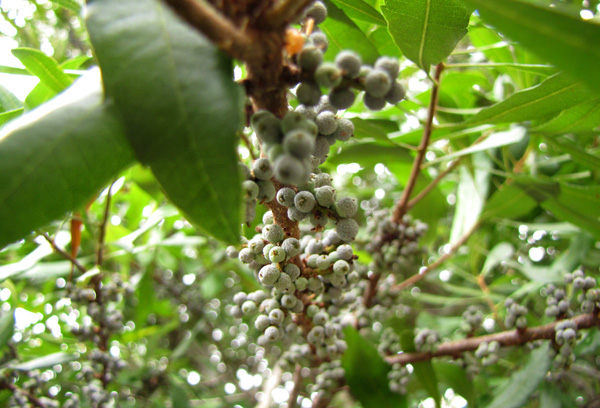
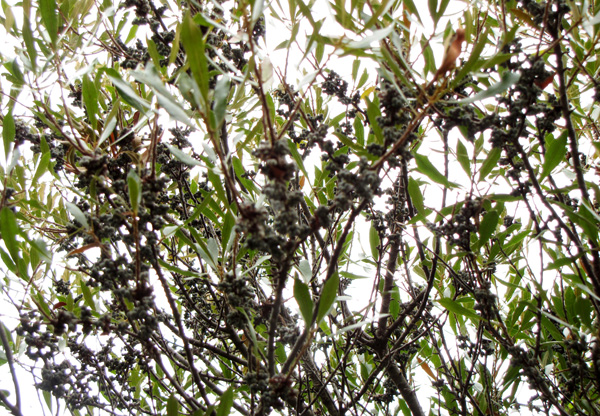
The berries aren’t in high demand. Few of the yard’s visitors bother with them, which leaves more than enough for the yellow-rumped warblers that come each fall and stay until spring.
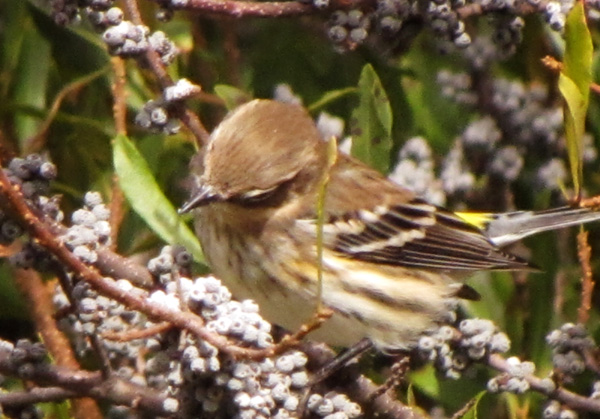
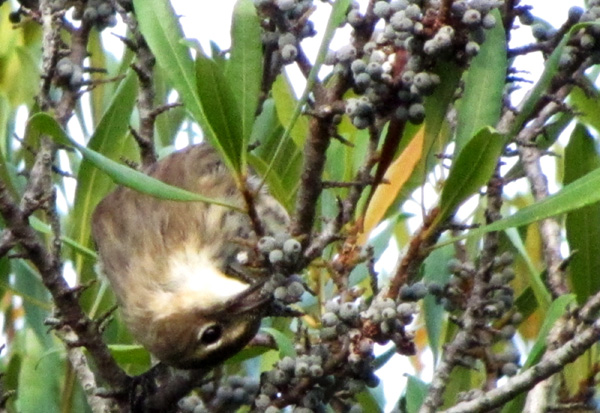
According to The Cornell Lab of Ornithology’s All About Birds website, yellow-rumped warblers are the only warbler species able to digest the berries.
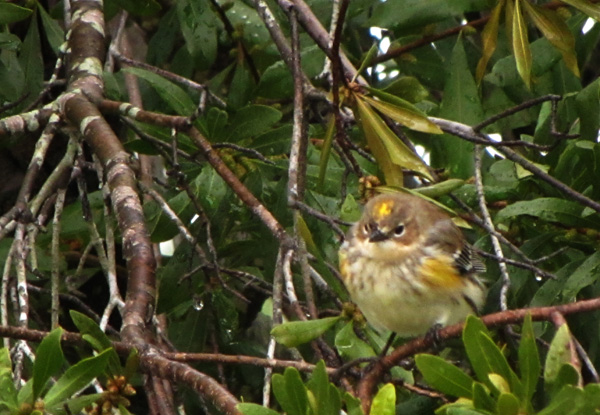
The warblers stay through pear-blooming time, when they spend a few weeks feasting on nectar and soaking up sunshine. Then they disappear.
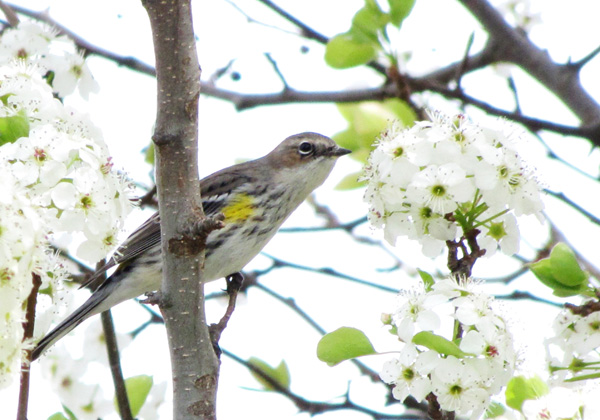
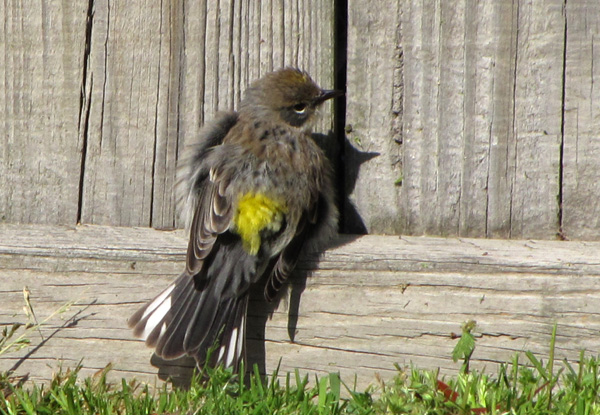
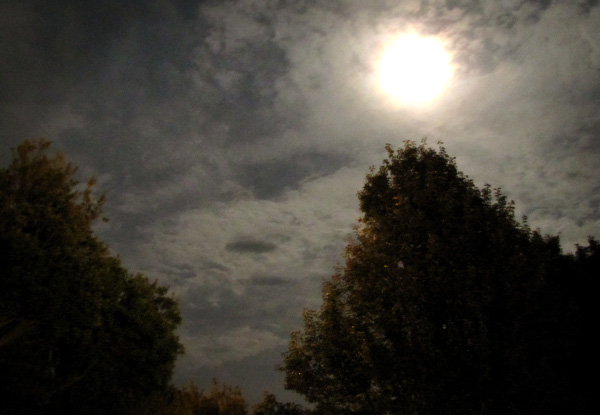
Today I saw fall’s first flock of warblers flitting through the wax myrtle. For me, their arrival is as certain a sign as the Harvest Moon.
Changes

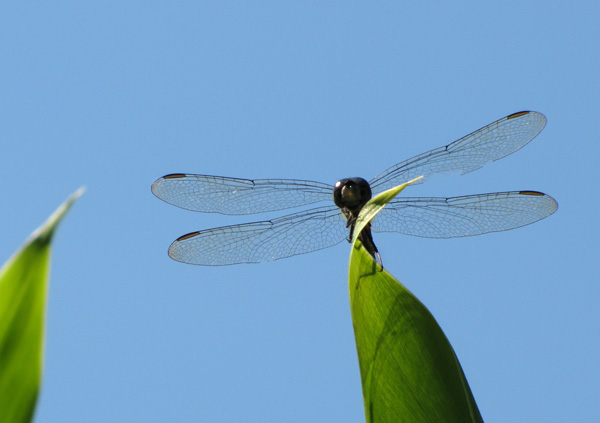
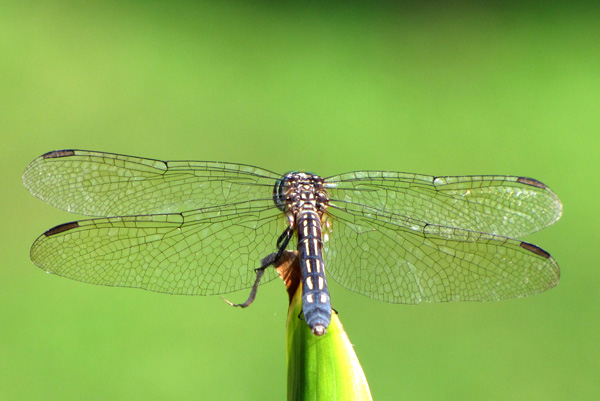
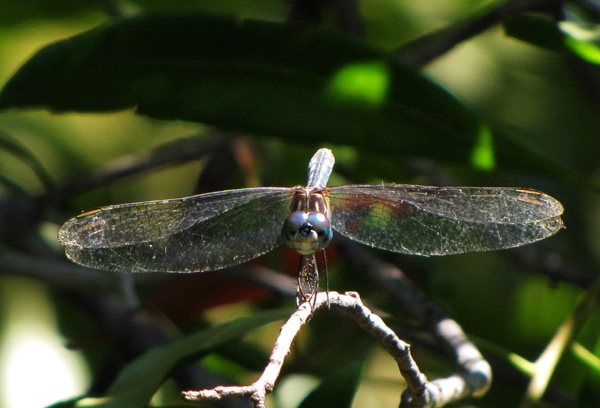
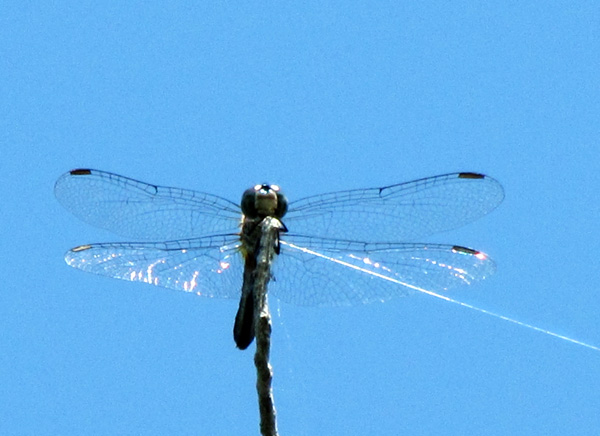
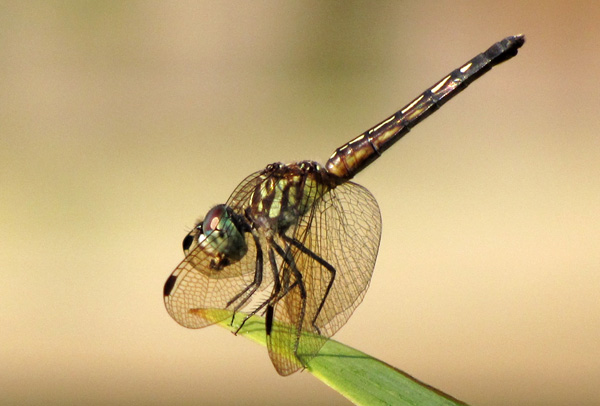
The days are definitely getting shorter, and the yard has changed accordingly. Tired leaves litter the grass. The roses bloom erratically, producing smaller and smaller flowers with less and less scent. Few dragonflies remain, only a handful of Blue Dashers.

Spiderwebs lend the yard an autumn feel, harbingers of Halloween and the brittle months to follow. And there’s a silence, under the muted cricket chorus, that sounds like an echo of winter.

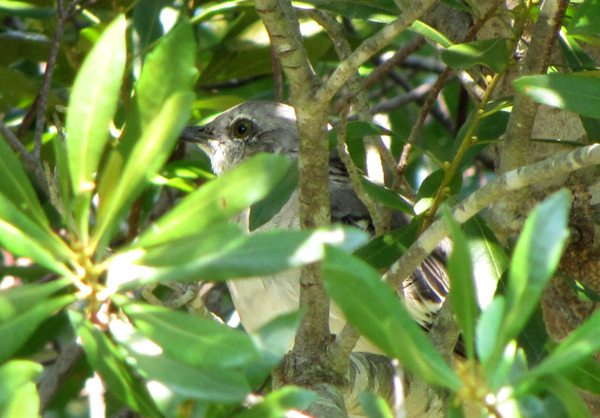
No more robins, no more blue jays, no love-struck doves on the fence. Only an occasional mockingbird, and even they tend to hide from view, flitting through the wax myrtle as if they would rather not be noticed. Or photographed.

So the yard reflects summer’s dwindling hours, despite the lingering heat. And I’m torn between sorrow and anticipation, a permanent state in the last few years. Tomorrow is always exciting, mysterious and unwritten. But today is satisfying, too. As for yesterday? Well, yesterday wasn’t bad at all. In fact, I was kind of sorry to see it go…

Early August in the Yard

A few new arrivals in the yard:

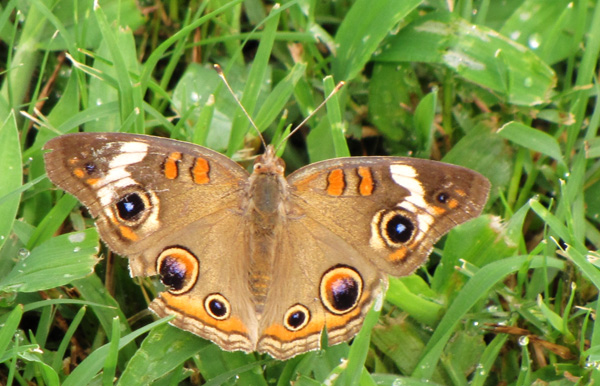
I believe this butterfly is a Common Buckeye.

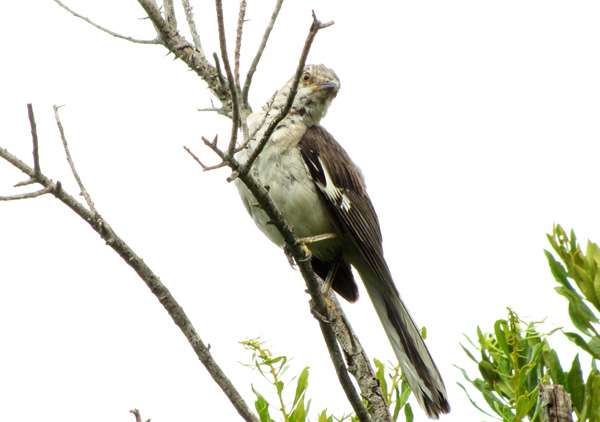
After a brief thunderstorm, this young Northern Mockingbird seemed very unhappy with its damp and disheveled feathers.

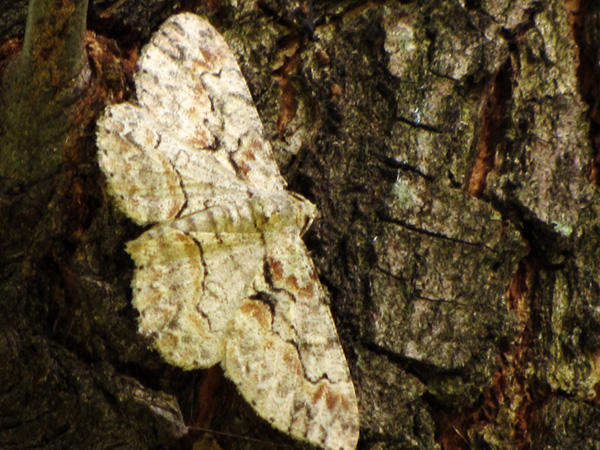
And I would love some help identifying this moth. Any ideas?

Northern Cardinal with Feather Loss

I don’t know if this cardinal is undergoing a normal (extreme) molt, or if he has some kind of medical condition. Whatever the cause, this kind of feather loss seems to be common.

Fledgling Photos

The robin family has moved on, as families tend to do, and the yard feels empty and quiet. Almost eerie, after such a whirlwind of exploration and clamor.

Maybe I’ll fill my empty hours with the manuscript that has been molting in my office, shedding pages all over the floor, sprouting new subplots and dialogue as it matures…