In mid-March the overwintering swallowtails woke from their long sleep.
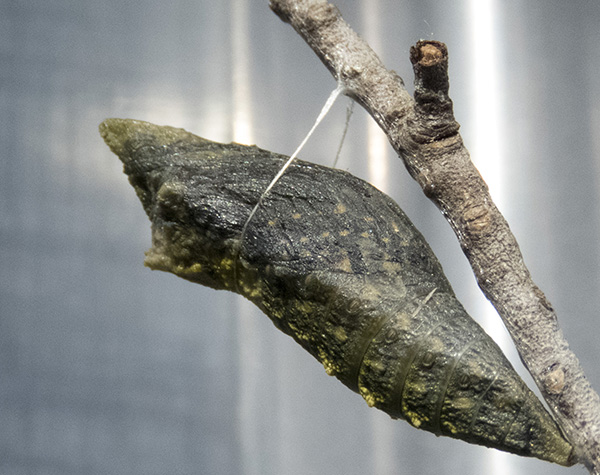
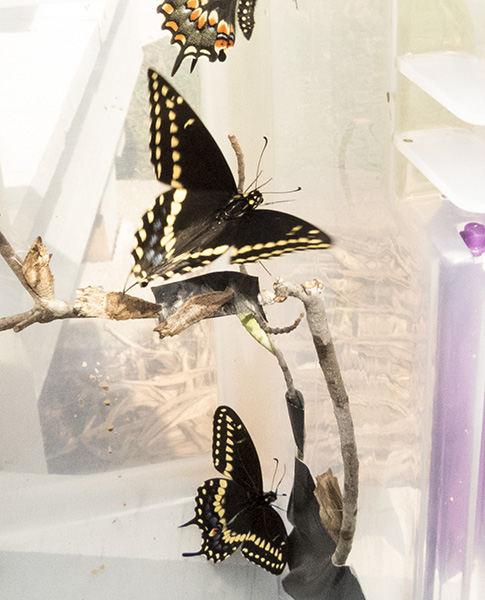

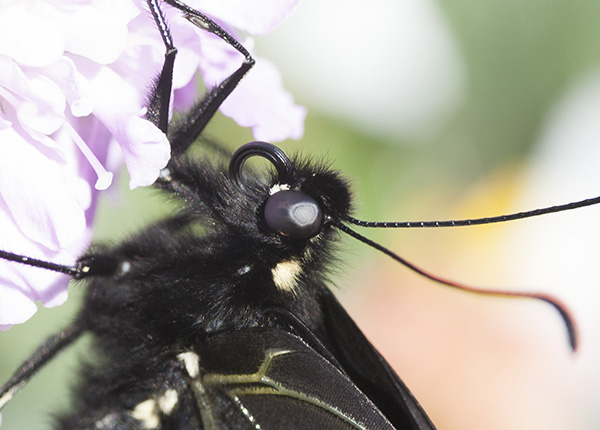
I hope our early swallowtails are a sign of things to come. Maybe it will be a good summer for butterflies!

In mid-March the overwintering swallowtails woke from their long sleep.
I hope our early swallowtails are a sign of things to come. Maybe it will be a good summer for butterflies!
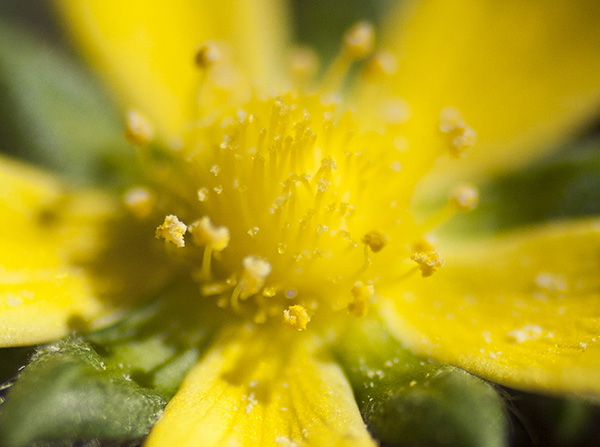
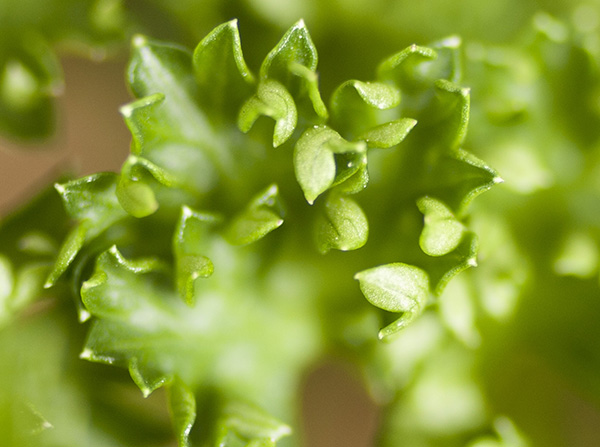
Spring makes me wish for a more powerful macro lens.
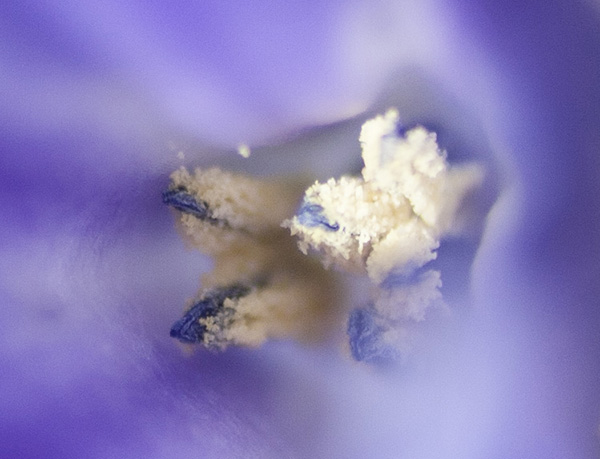
I want to capture all of the delicate splendor of the yard as it wakes from winter.
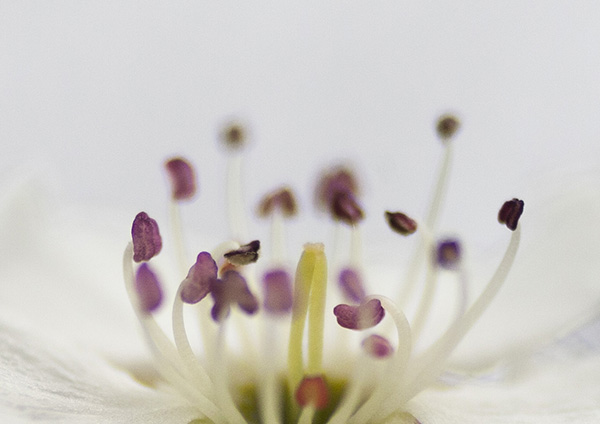
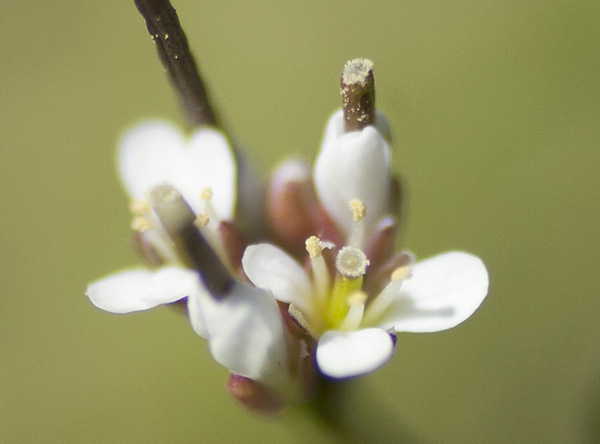
I use words like “corolla” and “calyx” in poems,
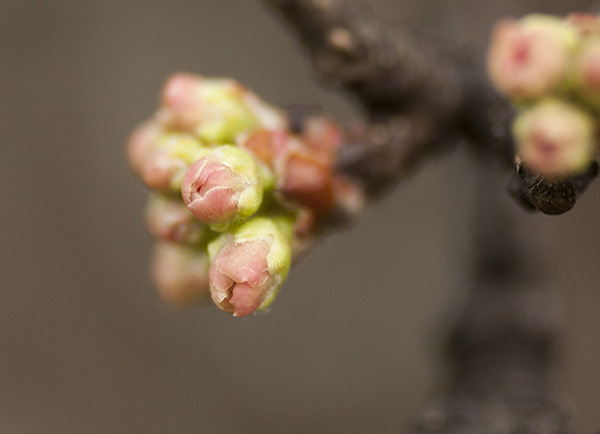
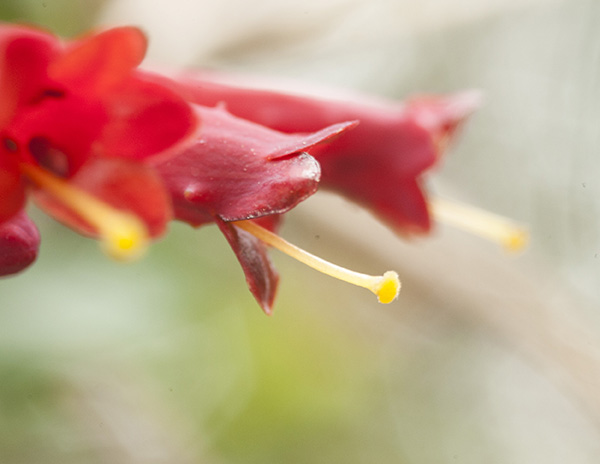
and name characters after weeds and wildflowers.
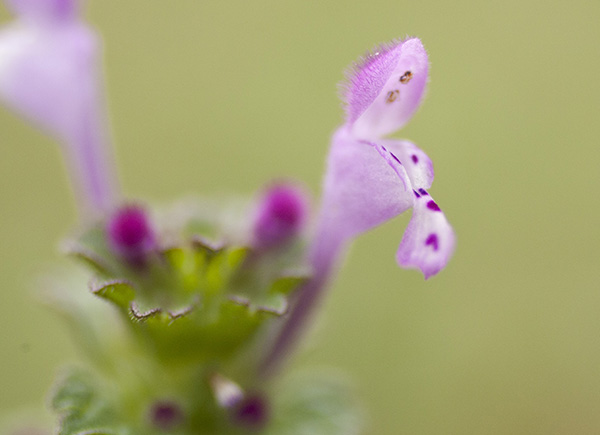
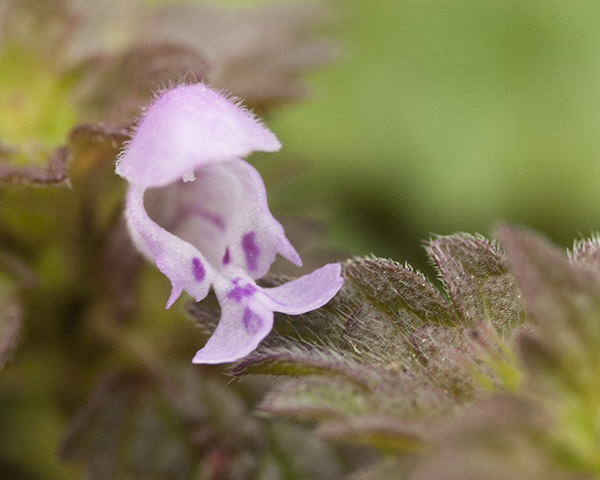
Henbit and Purple Deadnettle.
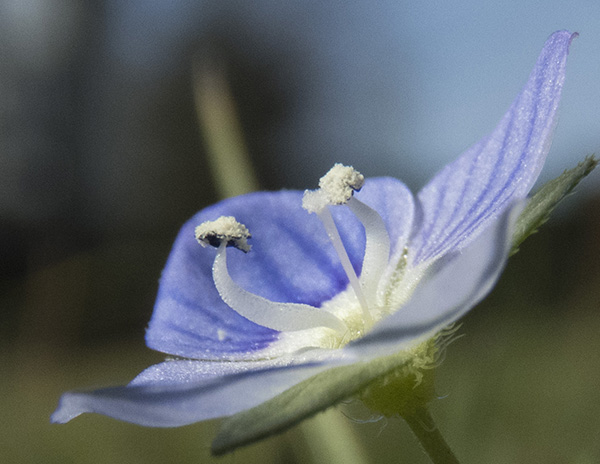
Speedwell and Dandelion.
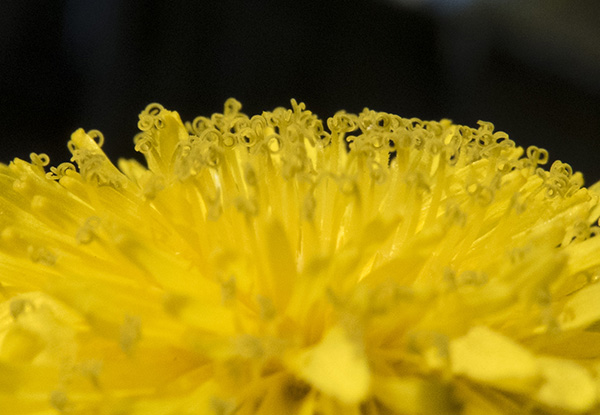
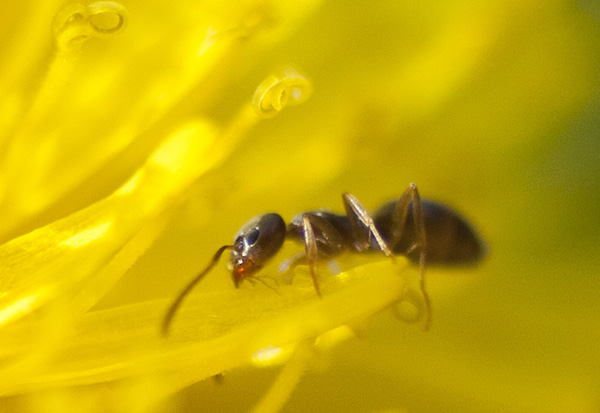
Spring is the only time of year when I truly love ants.
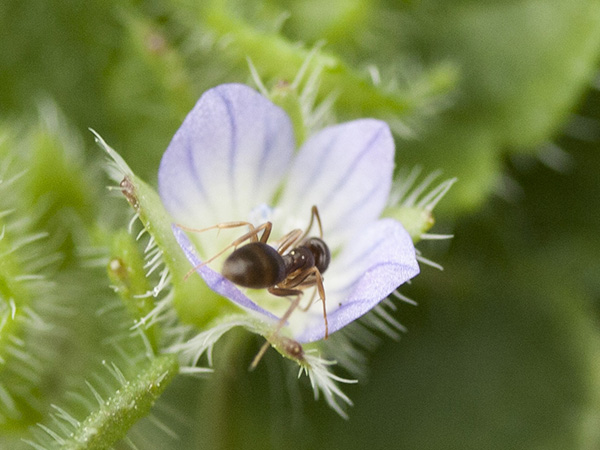
As I follow ants with my camera, I find other treasures.
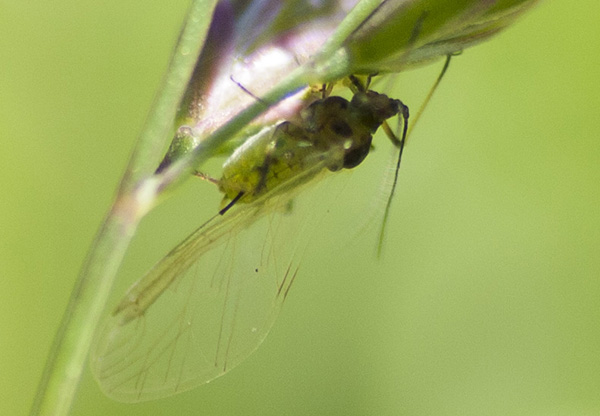
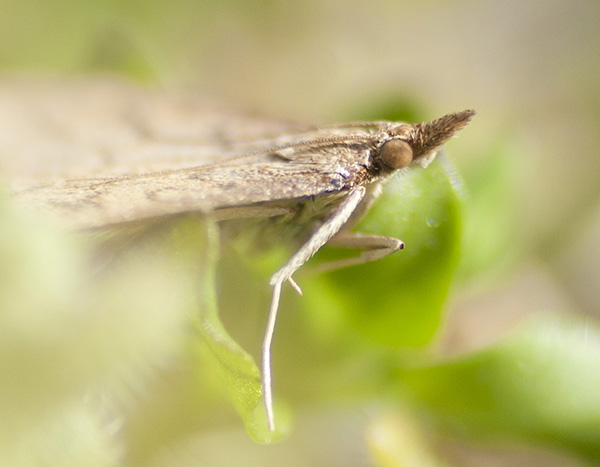
When carpenter bees emerge, my imagination becomes airborne.
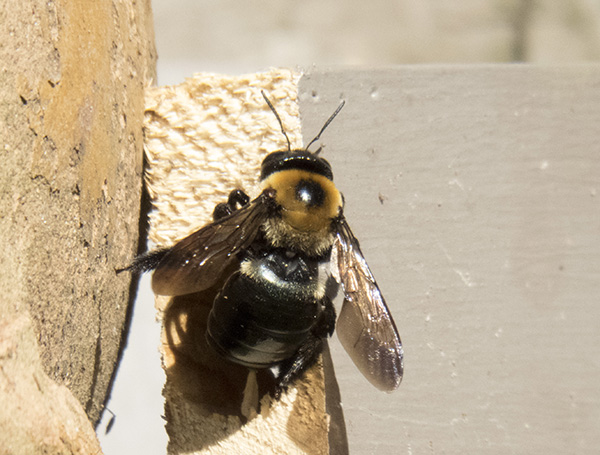
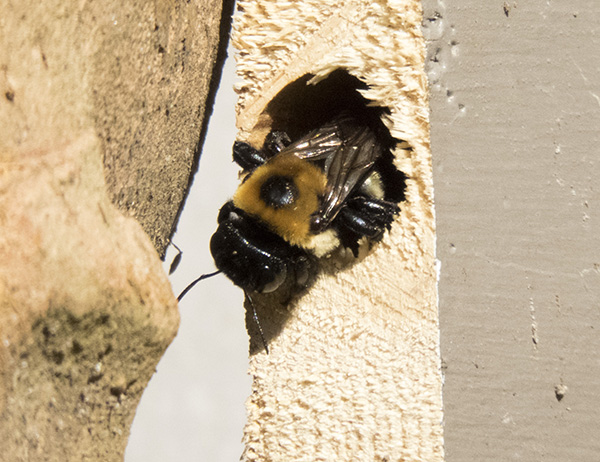
I stalk our carpenter bees with both macro and long-focus lenses.
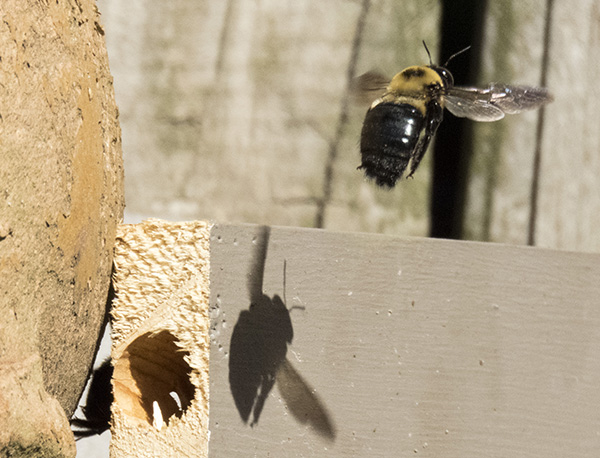
Long-focus lenses let me stalk the yard’s other visitors, too.
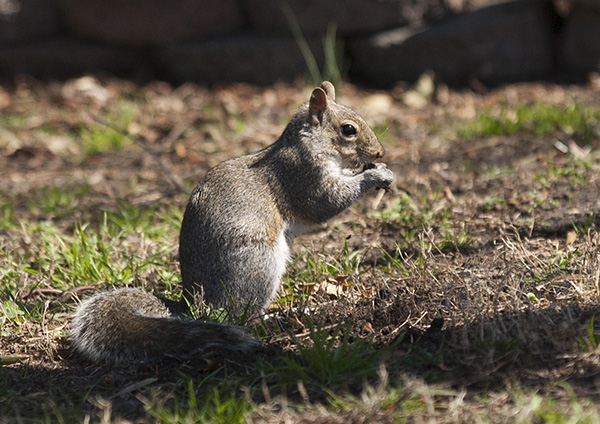
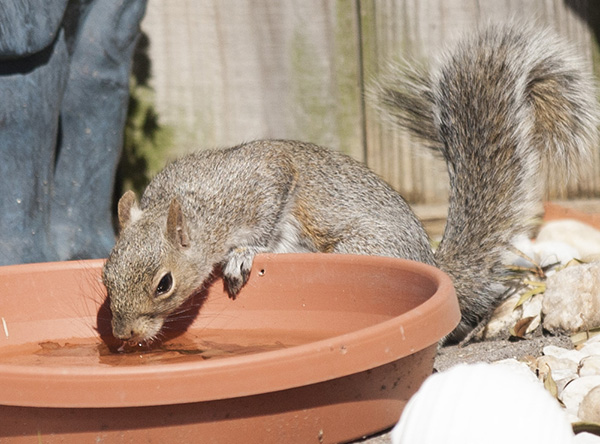
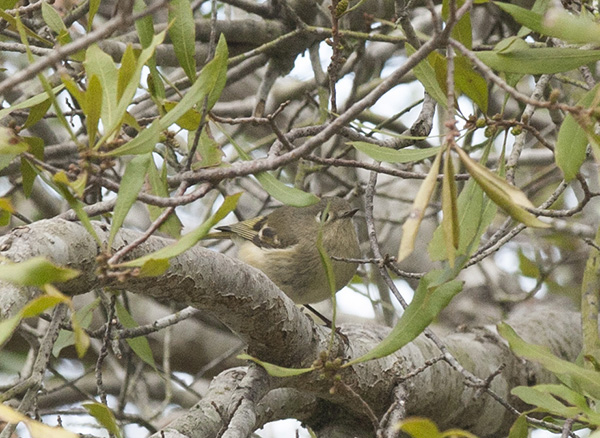
But I always return to the macro lens, yearning to be closer.
Publication note: On March 2nd, my poem “On Losing the Old Dog” posted at Autumn Sky Poetry Daily, which is one of my favorite poetry sites. Many thanks to editor Christine Klocek-Lim!

The yard is warm and sunny today, sprinkled with blossoming weeds. A few weeks ago it was frozen and snowy.

This year January and February saw days warm enough for house repairs (replacing wood damaged by carpenter bees), followed closely by days too cold for anything but reading and sleeping.


Some days were strangely confused, cold with bright sunshine or warm with dreary skies.


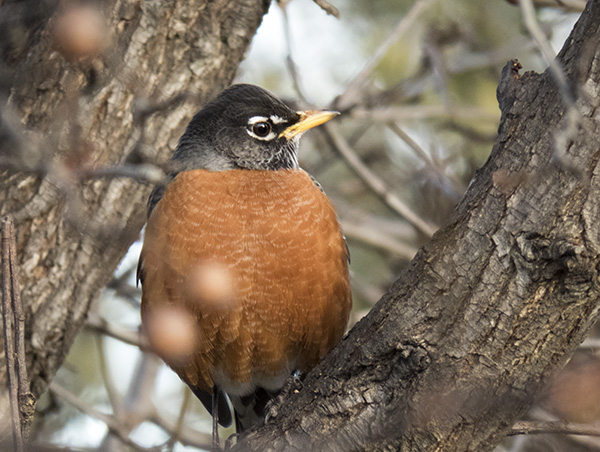

Our annual writers’ weekend at the beach brought a little bit of everything.


March will likely bring a little bit more of everything, but hopefully it won’t get fountain-freezing cold again.

Hopefully.

When I didn’t put together a blog post in late October, I resolved to make up for it in November. After November passed without a post, I planned something for December. And when January loomed with the blog still silent, I finally admitted that I had been neglecting more than the blog. I wasn’t procrastinating. I was depressed. Again.

My inertia started with procrastination, but, as the days grew shorter and shorter, depression took over. In retrospect, I knew this all along. I tried to ignore the symptoms, but in mid-October I had quit doing most of the things I enjoy. The blog was just my most public absence.

By November, the yard and I were weather-worn and brittle.


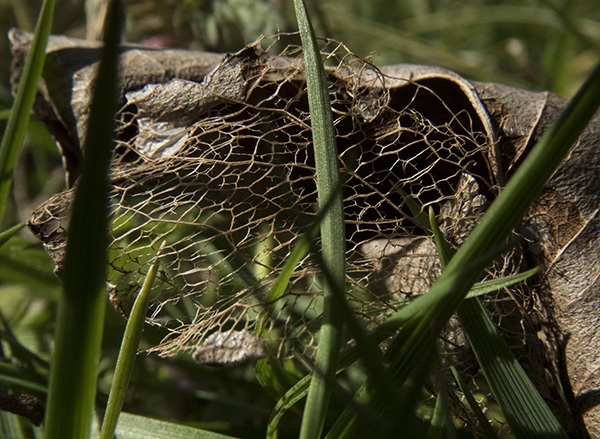
Off and on in November I picked up my camera, took a few photos, and thought vaguely of how I would describe them in a blog post. Each time I decided to pay bills or clean out the closet instead. (More often than not, I then decided to put off the bills and the closet, too.) So this photo of spider eggs never posted:

Nor this exquisite moth:

I woke briefly in mid-November, when the Yellow-rumped Warblers arrived, but soon drifted back into my sleep-eat-read-sleep routine.


As December counted down, I told myself lies about how busy I was with holiday preparations.

I told others these lies, too, because they were easier than admitting to everyone that the holidays made me feel sad and lonely. That, despite my love for festive decorations, much of my nostalgia is tinged with grief.

During my lost months, I watched flocks of birds gather and move on, feeling each time as if I had missed an important message.


Then, one bright and unseasonably warm afternoon, a pair of vultures paused over the yard, basking in the sun. These beautiful, under-appreciated birds sent me scrambling for my camera, something I had not done in weeks.


And on Christmas Eve, despite dreary clouds and a threat of storms, I enjoyed an afternoon in the yard with my camera.

This time I felt closer to getting the message.

In the after-Christmas lull, I slept and ate and read and slept, but there was a spark of something different in the routine. A current of ambition to do more than sleep and eat and read. As I put away our decorations, I noticed a pot of pansies that I had never planted. And all the empty bird feeders.

On the first Sunday of 2016, I took a walk with my old camera. As I photographed ducks and geese and seagulls, my internal dialogue became a patter of possible captions for the photos. That evening I edited the images with extra care, eager to post them. But I couldn’t decide how to post them. The blog had been silent for so long. Now that I was ready to post again, how should I explain my absence? Should I simply resume posting? Gloss over two months fogged by recurring depression?

If I tried to explain, would I be able to describe depression without being depressing? (I don’t believe I’ve succeeded, but I decided to post this anyway. Too many people avoid talking about depression for too many reasons, which makes it that much lonelier.)

I’ve lived with depression (and its frequent companion–anxiety) for a very long time. Longer than I’ll usually admit. Compared to past experience, this bout was mild and short-lived. Now I’m making changes that should help speed my recovery. Over the weekend I stocked the kitchen with healthier food, started exercising, and spent more time outside with my camera. These are, I’ve learned, my best defenses.

So as January progresses, along with a more mindful schedule of sleeping and eating and reading, I’ll be walking and writing and blogging. (And renewing my efforts to learn meditation. More on this later.)

And as the days get longer and longer, I’ll start looking forward to spring. Because spring will come. It always does.

In the final weeks of September, one of the butterflies emerged with damaged wings. She couldn’t fly, so I kept her in the caterpillar habitat and gave her fresh clippings from the butterfly bush every day.

Sometimes I took her out of the enclosure and carried her around the yard, letting her sample marigolds and lantana and salvia.

When she died, a day or two before her two-week birthday, she had undeniably lived longer than she would have lived in the yard. But was it enough?

Was nectar enough, or did my butterfly regret her flightless wings and unfertilized eggs?
What does a butterfly, or a caterpillar, need from life?

Do they yearn for sunshine and plentiful food? Do they crave happiness? Do they grieve?

There’s a poem hiding in these questions, but it’s so well hidden that I can’t find where it starts. Not today, anyway. Not with a rainy cold front outside and a miserable cough inside.
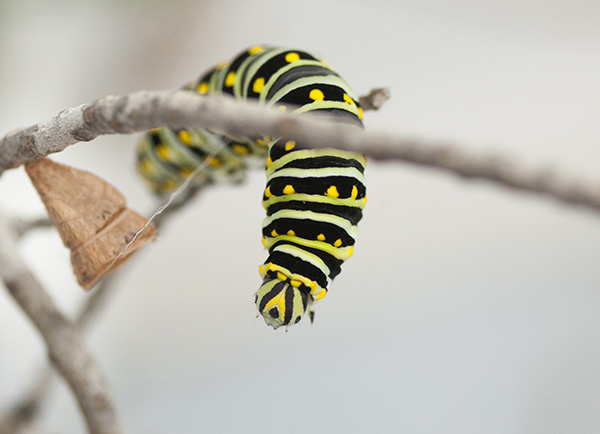
My last swallowtail caterpillar molted into a chrysalis yesterday. Now I have twenty-five chrysalises ready for winter.

It’s an interesting idea, sleeping through winter. What if I could simply set my alarm for “spring” and call my blankets a chrysalis? On days like today, cough and all, it seems like a good idea. But what about snow? And holidays? Would I be sad, in the spring, that I had missed them? Would you?

 Rae Spencer