First Landing State Park, October 10

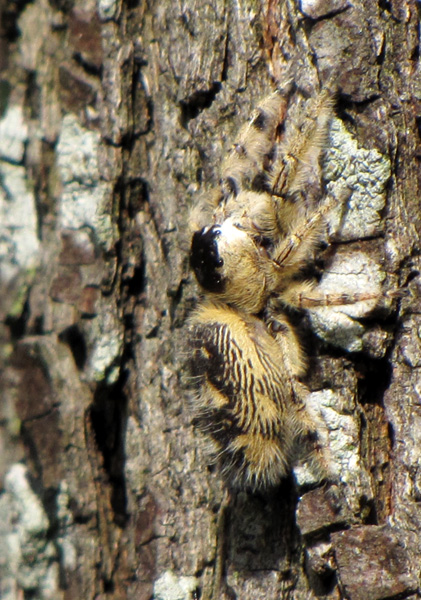
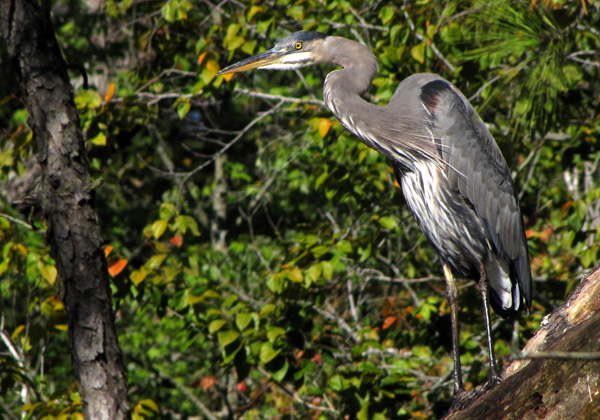
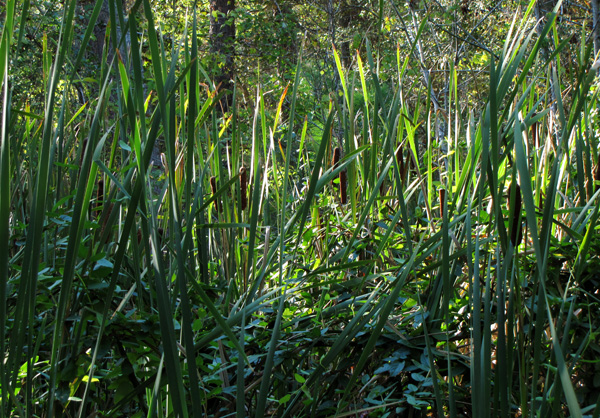
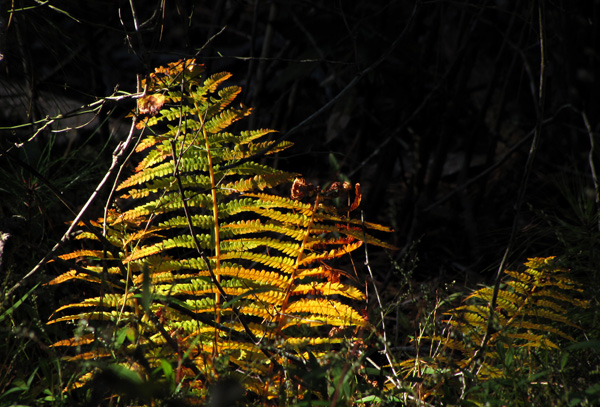
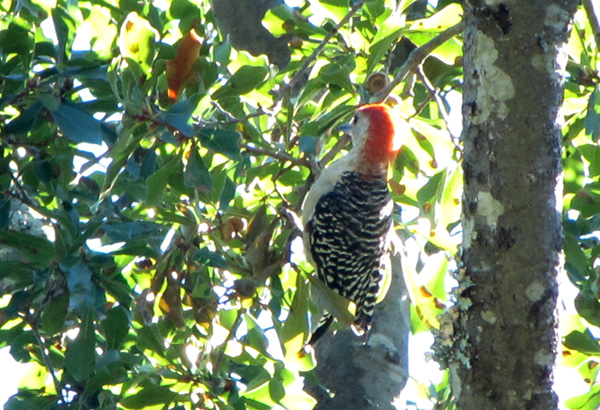
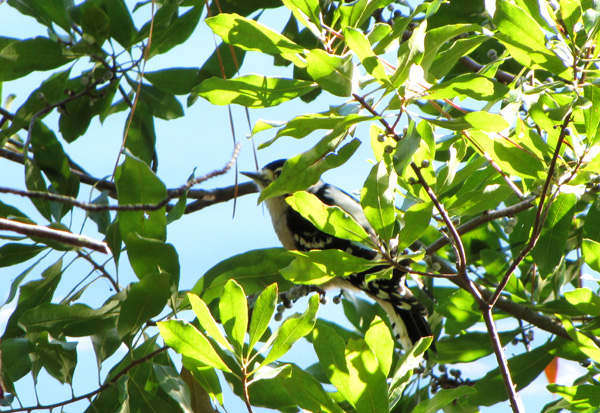
First Landing State Park is beginning to feel the onset of fall. The osprey are migrating, leaving egrets and herons in charge. Grasshoppers carry on as if winter will never come, but the butterflies know better. They’ve disappeared, along with most of the bees. (I did see something that might have been a bee, but it also might have been a fly that wanted me to think it was a bee.)

Despite these changes, summer hasn’t abandoned the park entirely. Mosquitoes still bite and squirrels still play. Crabs forage while frogs sing a frantic final chorus. Turtles patrol the shallow ponds, their backs mounded with mud so that they look like curiously mobile islands.

And the sun is still strong enough to burn if you stay out too long. Like I did today. But I have a good excuse for my over-long walk and uncomfortable sunburn. I was chasing a kingfisher…

This slideshow requires JavaScript.

Green Tree Frog

I found a frog in the ginger lilies today. (I believe it was a green tree frog.) Frogs are unusual in the yard, so I was thrilled to find my second one of the summer. My delight faded to itchy frustration when I began trying for pictures.

The frog retreated into the ginger lilies, stem by stem. I crept in after it as far as I could, but the ginger lilies are hostile this time of year. They are head-high, densely packed, and teem with bugs that bite and sting.

Even so, I managed to follow the frog with my lens until it tired of the chase and settled on a leaf. Then I looked away for a second, to adjust the camera’s settings, and lost sight of my subject. I never found it again.

Sometimes the yard is an extension of Wonderland, complete with animals that disappear at will.

Annual Checkup

The trip didn’t take long, but time slows in the cat carrier. By the time we got home, she was ready for a nap.

Wolf Spider (Arachnophobia Alert!)

I was trying to record a short video of the thread-waisted wasps when a flash of nearby movement distracted me. At first, I couldn’t find what had moved.

The spider and I recognized each other at the same time, and it’s hard to say which of us was more frightened. She dove back into her burrow as I fought off a wave of arachnophobia-panic. I took a few calming breaths, forced myself to sit next to the burrow, and readied my camera.

After several minutes, she emerged again. Covered with babies! She did a quick survey, decided I was still too close, and carried her children back to safety.

Even when it’s icky and strange, the yard is amazing.

The Wax Myrtle and Yellow-rumped Warblers

Much of the yard’s fall and winter activity takes place in the wax myrtles. (I believe ours are southern wax myrtle. Other names include Southern bayberry or candleberry.) I’ve never bothered to count, so I don’t know how many individual plants make up the barrier between our fence and the sidewalk. Enough to create a unique habitat in the yard.

More tree than shrub, the wax myrtles are distinctly male and female. Only the females produce berries. (Technically, their fruit is considered a drupe.)

The berries aren’t in high demand. Few of the yard’s visitors bother with them, which leaves more than enough for the yellow-rumped warblers that come each fall and stay until spring.

According to The Cornell Lab of Ornithology’s All About Birds website, yellow-rumped warblers are the only warbler species able to digest the berries.

The warblers stay through pear-blooming time, when they spend a few weeks feasting on nectar and soaking up sunshine. Then they disappear.

Today I saw fall’s first flock of warblers flitting through the wax myrtle. For me, their arrival is as certain a sign as the Harvest Moon.