Praying Mantises

Praying Mantis July 5

While I am fascinated with all insects, I have a special fondness for praying mantises. It started with Mother, with foggy memories of her passing bewildered mantises into my cupped hands and telling me to release them somewhere safe, somewhere beyond the reach of our hungry chickens.

Praying Mantis Sept 30

It’s possible these memories aren’t real. It’s possible that I began saving praying mantises from the chickens without any prompting from Mother, though it’s the kind of lesson she would have taught.

Praying Mantis July 30

Sadly, our yard is currently without chickens. (Sad for me, at least. The praying mantises probably don’t mind.) With no hungry chickens about, I no longer catch and move mantises when I find them. Instead I crawl after them with my camera — slow motion chases complicated by grass allergies, mosquitoes, and arachnophobia.

Praying Mantis Aug 10

I’m a skeptic when it comes to animal symbolism, but many sources say praying mantises are symbols of patience and stillness, appearing when life has become too busy.

Praying Mantis Aug 10

This summer has seen month after month pass with distractions ranging from minor to major. A series of household repairs. A trio of elderly cats, two in failing health. A new bout of depression and anxiety.

And now the yard is full of praying mantises. More praying mantises than ever before. In every flower bed, on every overhanging branch, even in the hanging baskets.

Praying Mantis Aug 31

Perhaps I’m not such a skeptic after all.

Praying Mantis July 5

Perhaps it’s time to slow down and try a different approach.

Praying Mantis Aug 5

Yard Surprises and Writing Surprises

When the wild rabbits ate multiple sets of coneflowers this summer, I allowed myself one final purchase before freezing the garden budget. I bought milkweed for the monarchs. More specifically, I bought swamp milkweed. Which the rabbits promptly ate.

Rabbit Aug 12

Milkweed is toxic, so I don’t know how the rabbits were able to eat it without getting sick. Far from getting sick, they ate until every last leaf was devoured. Fortunately, by the time the bare stalks recovered enough to put on new leaves, the rabbits had tired of milkweed.

I assumed (such a dangerous verb) that my milkweed’s season had passed, that it would see no monarch activity until next summer. I was wrong, as I discovered on Monday.

Monarch Caterpillar Sept 22

There were nine caterpillars when I found them. One disappeared by nightfall on the first day and another died during the night, but seven continued to gorge on the milkweed’s leaves.
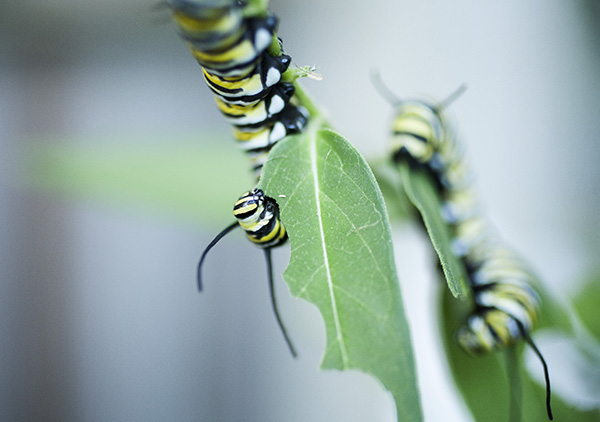
Monarch Caterpillar Sept 22

Monarch Caterpillar Sept 22

On Tuesday, one caterpillar decided it was time for wings. It hung from its back legs all afternoon and evening, twitching every so often, swaying in a storm-front breeze. I waited and waited, hoping to see it molt into a chrysalis, but when night came it was still a caterpillar.
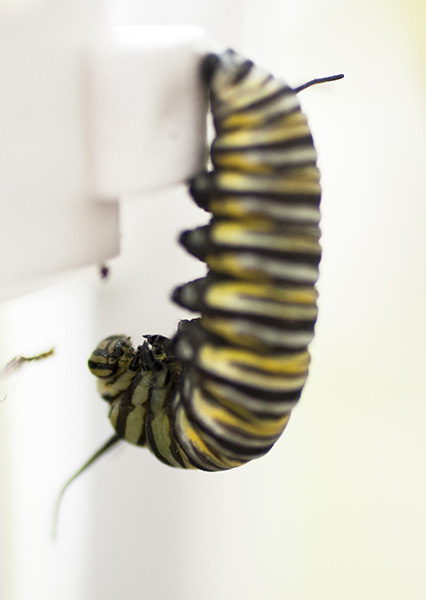
Monarch Caterpillar Sept 23

Prior to finding the monarchs, I spent Thursday evening, all day Friday, and most of Saturday at the 6th Annual Hampton Roads Writers Conference. This year I went to sessions about the mechanics of fiction and nonfiction, the world of independent publishing, and twitter. (Yes, twitter!) I made new friends and took reams of notes, and on Saturday my poem “The Tracking” won first place in the 2014 Barbara Dunn Hartin Memorial Poetry Prize!
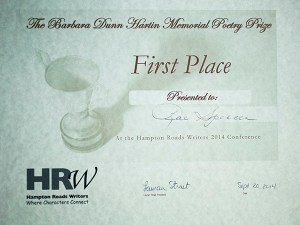
Poetry 1st Place

Then my fantasy short story “The Silvershaper” won third place in the 2014 Frank Lawlor Memorial Fiction Prize!

Fiction 3rd Place

Best of all, the conference brought an epiphany regarding my unpublished fantasy manuscript. A trio of sessions about story openings, plot, and voice uncovered the root of a pacing problem in the first five chapters. It’s a problem I can fix, now that I can see it.

As exciting as awards and epiphanies are, they represent a small part of my writing experience. They’re like finding monarchs in the yard, flashy glimpses of wonder. Most of writing’s surprises are quieter discoveries. Accidental phrases open new perspectives; plots turn slippery and skid off in unexpected directions; sub-plots bloom into stories of their own.

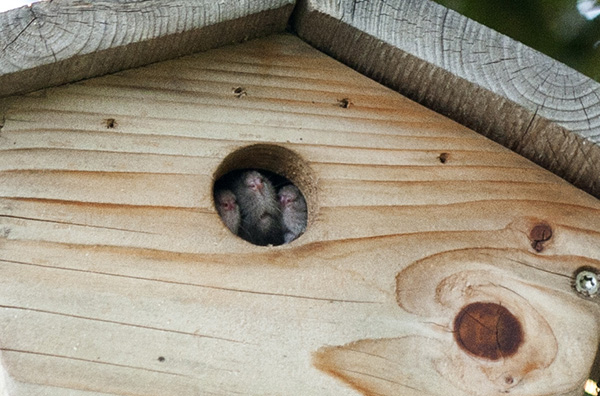
Those are the happy surprises. Unpleasant surprises happen, too. Failed poems, unresolvable stories, harsh critiques (which I’ve found are more common online than in person), lost submissions, and sudden doubts so ferocious that success seems impossible. These are like rodents moving into my wren house.
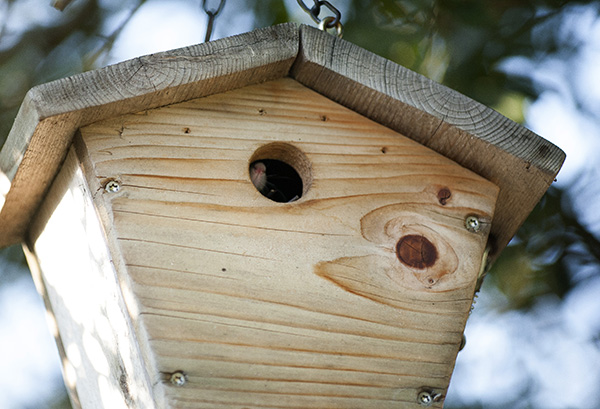
Rats Sept 21

(When I spotted movement in the wren house on Sunday, I hoped for a late-season nest. I should have been more specific and hoped for a bird nest. Luckily, the rodents didn’t stay.)

Rats Sept 21

Rats Sept 21

Rats Sept 21

Were I allowed to choose my yard and writing surprises, I would always opt for monarchs and awards. There would be no lost submissions, no anxious waves of doubt, and no unwelcome rodents*. So perhaps it’s best that I’m not allowed to choose. Because if yards were made only of monarchs and writing meant only awards, think of all the stories that would never be told.
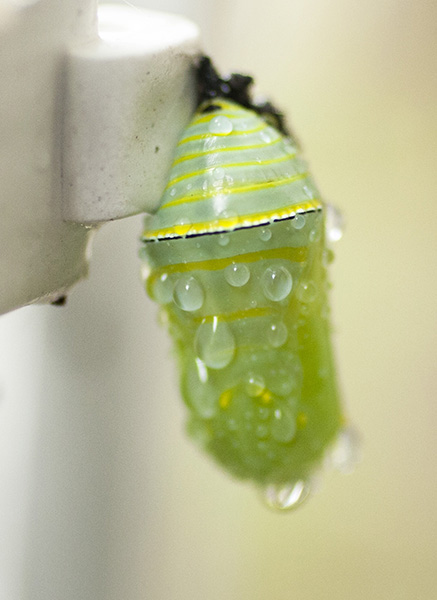
Monarch Caterpillar Sept 24


* I had a pet rat, when I was a teen, and a pair of pet mice during college. I find it hard to despise rodents, but in my alternate reality the rats and mice would all be free of diseases. And they would clean up after themselves. No more breaking into pantries for food, no more trails of droppings and urine, no more Hantavirus or listeria or plague, nor any of the other devastating illnesses mice and rats carry in the real world.

A Good Year for Wild Bees

Bee June 2

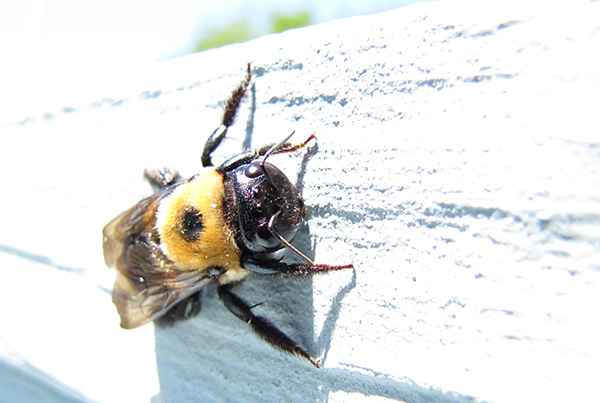
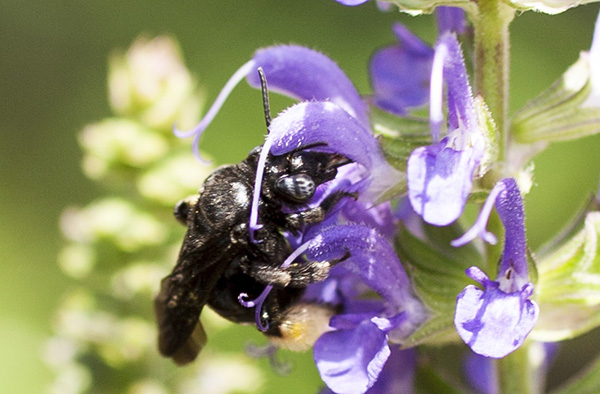
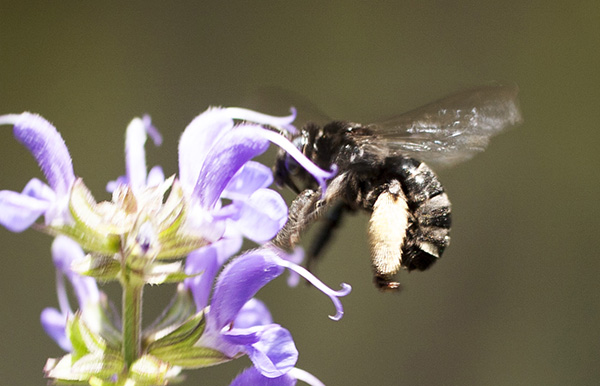
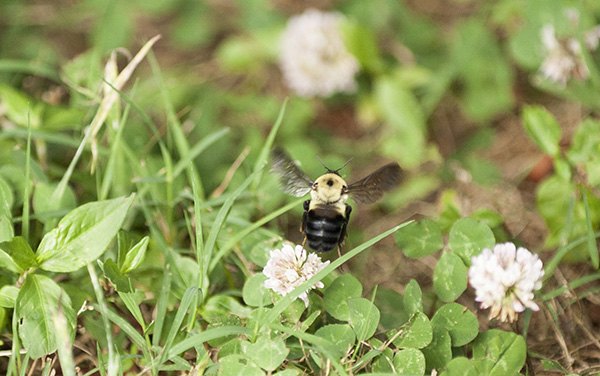
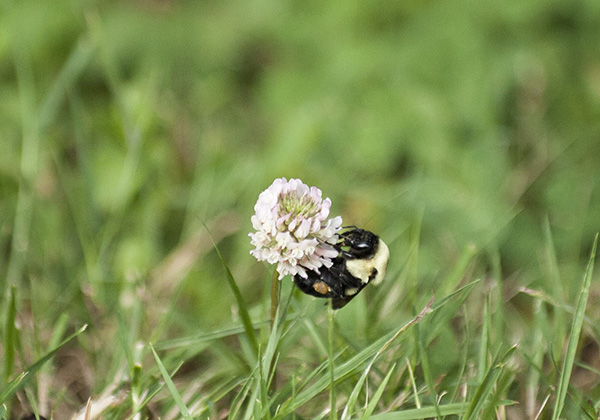
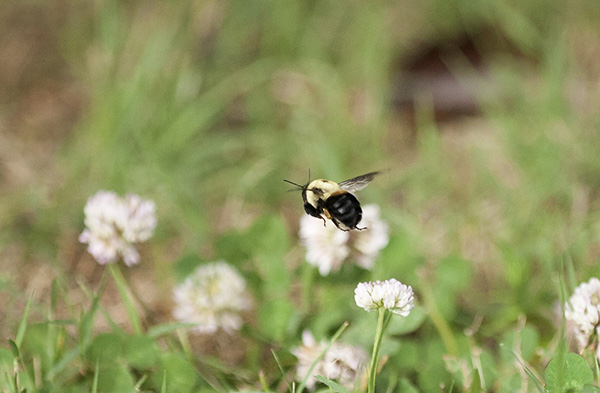
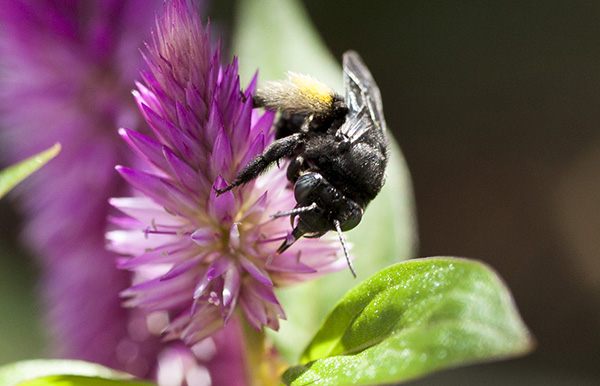
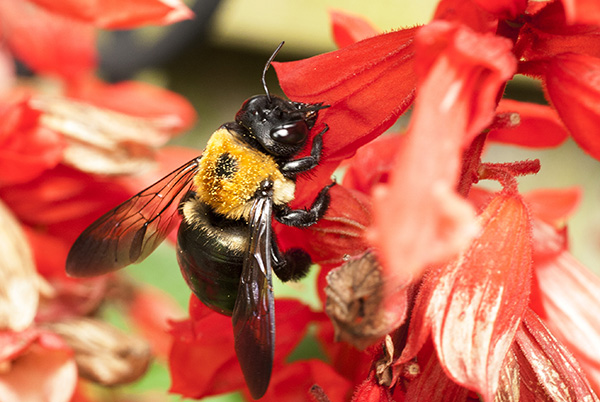
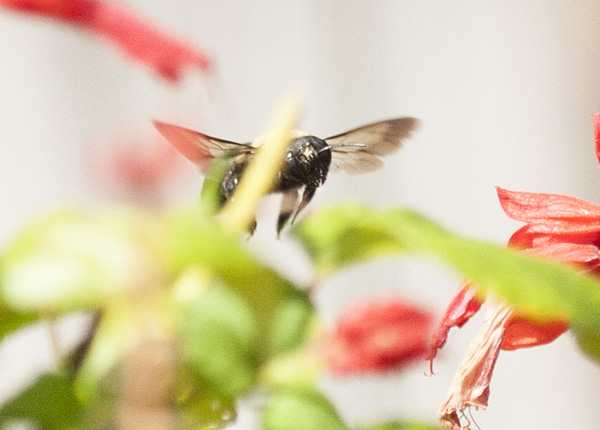
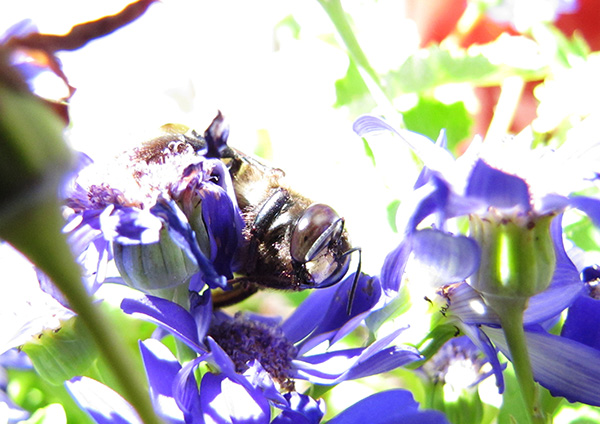
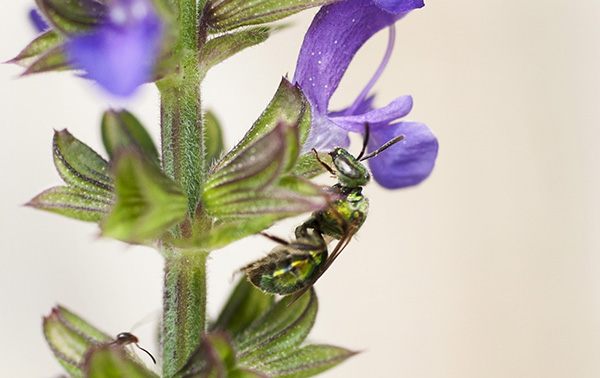
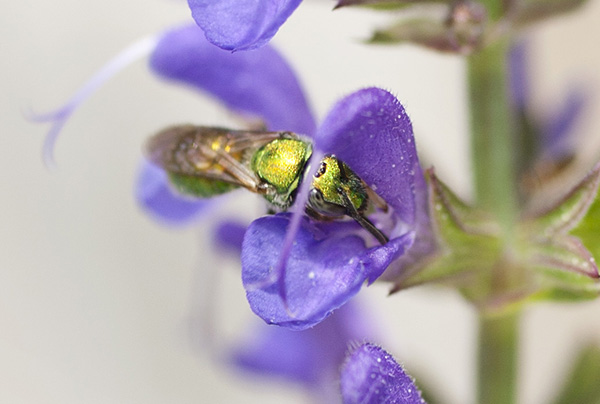
This summer’s butterfly shortage is not reflected in the yard’s bee activity. Early in May carpenter bees began arriving, followed quickly by mixed swarms of bumble bees, mason bees, mining bees, and sweat bees.

Bee July 15

Bee July 15

At first I tried to identify the bees in my photos, but my limited taxonomy skills were no match for the maze of overlapping body sizes, varying wing-vein patterns, and individual nesting strategies. (This article from National Geographic discusses, in part, the difficulties of bee identification.) Now I’m content to file all of my bee photos in a single “bee” folder, organized by date.

Bee June 14

Bee June 14

Bee June 14

None of the yard’s bees seem to mind being photographed, even from very close range. I’ve spent hours, this summer, crawling through patches of clover and kneeling beside the flower beds.

Bee July 28

Bee Aug 12

In all those hours I haven’t seen a single honeybee, which isn’t too surprising given the current crisis of Colony Collapse Disorder. Beekeepers have experienced devastating losses as their hives fail, and the dwindling honeybee population is a potential disaster for parts of the agricultural industry. Pollination is a key step between flower and fruit, between planting and harvesting. For some of our favorite fruits and vegetables, an orchard or field with active bee pollination produces increased quality (and quantity) at harvest. Take away the bees and the harvest suffers.

Bee Aug 31

Bee May 19

Fortunately, research indicates that solitary bees and bumble bees are excellent pollinators, especially when they share territories. (This blog post at Charismatic Minifauna offers a summary of research findings in blueberry crops. And a few miles from the yard, researchers are following strawberry crops pollinated by mason bees.)

Bee July 25

In the past, I’ve been reluctant to add bee houses to the yard, fearing stings. This summer’s bee hours have quieted that fear, and I’m planning to add at least two bee houses over the winter. These will provide nesting spots for mason bees and leaf-cutter bees, either in pre-drilled blocks of wood or bundles of reeds. (Here’s an article with instructions for building bee houses: Native Bees, Solitary Bees, and Wild Bees: What are they? [PDF].)

Hopefully next summer I’ll spend even more hours crawling through the clover and kneeling beside the flower beds…

Bee July 15

Bee July 15


Yearning for Butterflies

Butterfly June 18

It’s been a slow year for butterflies in the yard. (And in other yards, as noted in the comments section on this recent post.) There were no butterflies at all in May, and in June the only visitors were a few skittish Gray Hairstreaks. They took brief sips from the hydrangea, then flew away in search of better nectar.

As July grew hotter and hotter, I caught glimpses of larger butterflies fluttering high overhead, but they never stopped in the yard. Our new butterfly bush bloomed in vain, and the praying mantis lurking among its branches eventually moved into the nearby irises.

Praying Mantis July 28

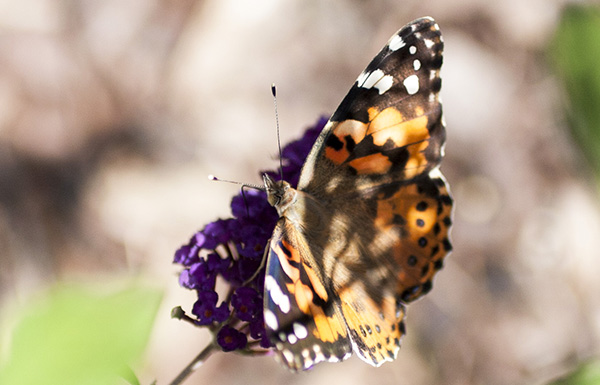
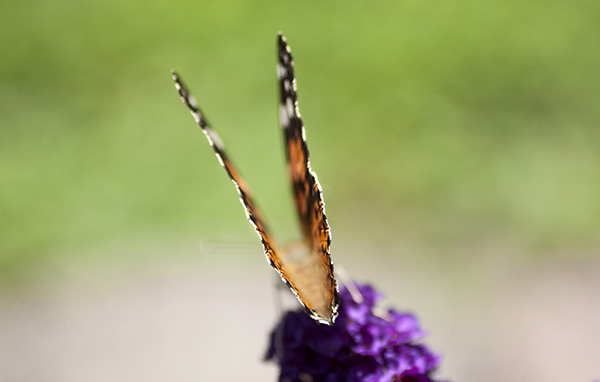
Finally, late in July, I spotted a Painted Lady.

Butterfly July 25

Butterfly July 25

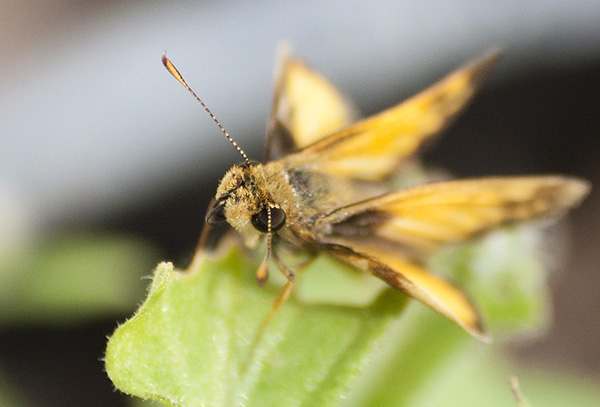
A skipper arrived the same day, the first of an unexpected abundance of skippers. In past years these small butterflies were rare in the yard, but they seem to find the butterfly bush irresistible. Now I see them almost daily.

Butterfly Two July 25

I haven’t been able to identify any of the skippers in my photos. The closest I can get is to say they all fall into the sub-group of “closed wing skippers.”  As always, please comment if you can confirm or correct my identifications!

Butterfly Aug 10

Butterfly Aug 10

Butterfly Aug 11

The only other butterfly I’ve seen in the yard was a faded, torn Common Buckeye. I wondered if its wing damage indicated long, perilous journeys or a single stormy event…

Butterfly July 28

While each new visitor is a hopeful sign, I’m puzzled by the conspicuous absence of Commas and Question MarksRed Admirals, Viceroys, sulfurs, and swallowtails. Others are puzzled, too. A short internet search found several articles detailing decreased sightings of butterflies in eastern North Carolina and Virginia:

Most sources blame the long, cold winter and associated rain, and some cite additional factors such as habitat loss and pesticide use. Whatever the cause, I hope it is temporary. In the world’s Field Guide to Small Joys, butterflies fill a uniquely delightful chapter.

Butterfly July 25

Spined Micrathena Spider (Arachnophobia Alert!)

Photography is one of my most useful allies against arachnophobia. In the past, this small spider (less than a half-inch in size) would have sent me scrambling indoors in a state of shivering panic. Now I run for my camera.

Spider Aug 13

The Spined Micrathena is a new spider for the yard, even though a site dedicated to Northern Virginia Ecology says, “The Spined Micrathena is one of our most common spiders. If you’ve ever walked through a spider web in the woods, it was very likely a micrathena’s web.”

I didn’t walk through her web, but I very nearly fell through it a few times as I leaned closer and closer with my lens. By the time I found the best angles and camera settings, fascination with the spider’s abdominal spikes had overcome my too-many-legs anxiety.

Spider Aug 13

And after doing a little research, I am forced to admit squeamish gratitude. These spiders feed on flies and mosquitoes, which recently multiplied into bloodthirsty swarms in the yard. I hope our new spider is very, very hungry.

Spider Aug 13

One final note: I can’t claim to be cured of arachnophobia. My first reaction on finding a spider is still horror, and brushing against a web still results in panic. But I’m learning to look at spiders, especially in photos, with more curiosity and less fear.