Photos of Spring and a Publication Note

Flowers April 6

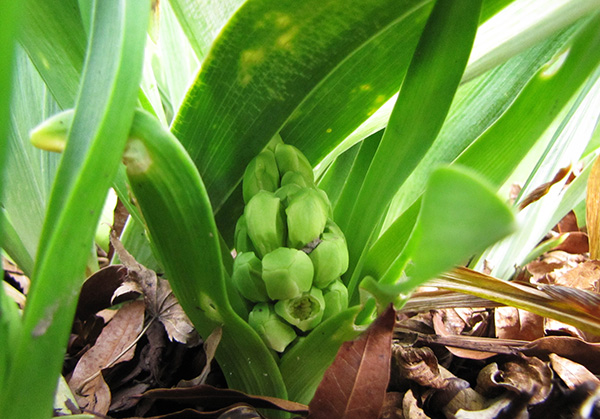
The daffodils, all three of them, bloomed this week. As did the pear tree.
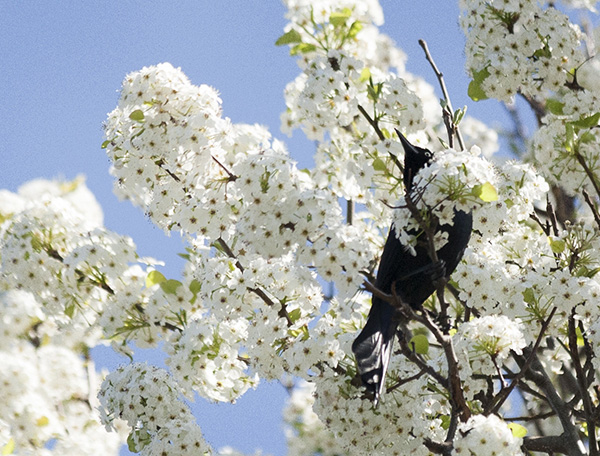
Grackle April 6

While it has plenty of bird visitors, the pear tree hasn’t seen its usual complement of pollinators.
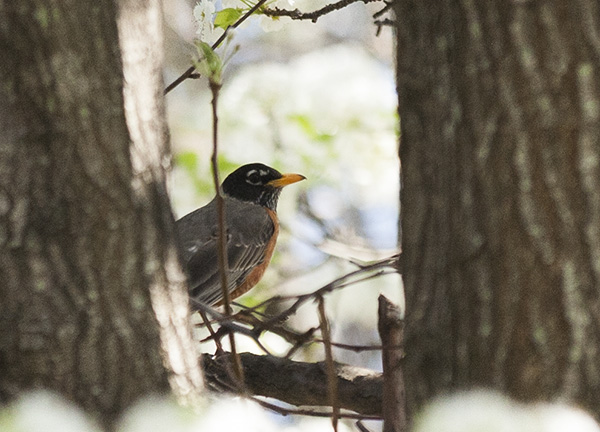
Robin April 6

The pear blooms usually draw bees and beetles by the hundreds, but many of the pollinators seem to be sleeping in this year. Yellow-rumped warblers are getting most of the nectar.

Warbler April 6

The pear tree’s pollinators may be sleeping in, but the carpenter bees are awake and active. Territorial males have claimed pockets of airspace near the house, fence, and deck. Their physiology must be wondrously efficient, because they patrol and defend their claims with seemingly endless vigor, never pausing to eat. They aren’t interested in nectar. They’re waiting for females to arrive.
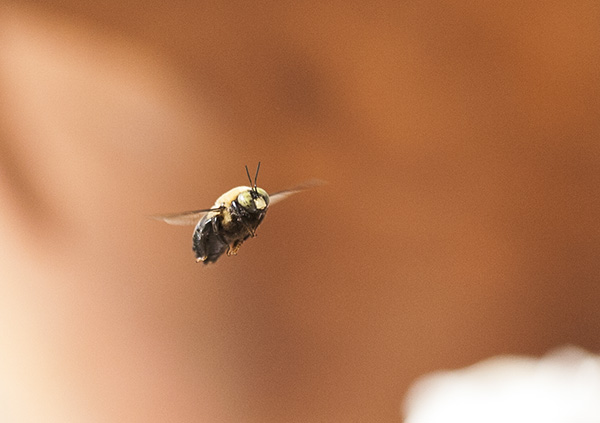
Carpenter Bees April 6

My favorite news from the yard this week comes from the milkweed. It survived our long, cold winter, which means we might have more monarchs this year!

Milkweed April 6

My favorite other news involves a publication note. My short story “Numbers” is now posted at The Blue Hour Magazine. This is my first fiction publication!

“Numbers” is the first short story I ever attempted. For nearly ten years I returned to it periodically, each time applying what I had learned since its last revision. Finally, in 2013, the story seemed to defy further revision. By then the opening had been entirely restructured and the word count cut by more than half. That year “Numbers” won Honorable Mention in the Frank Lawlor Memorial Fiction Prize at the Hampton Roads Writers’ Conference.

I let “Numbers” drift to the bottom of my to-do pile after its award, but in January of this year I decided to give the story one final edit and begin submitting it for publication. Then I selected a new practice manuscript from the archive, because I am not through learning. My journey with “Numbers” has reached a happy and satisfying conclusion, but my journey with writing will never end.
A Few Steps Closer to Spring

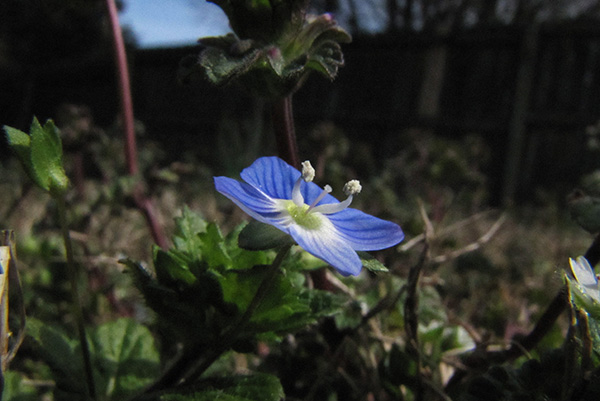
Weeds March 16

I usually count the first open-windows day as the first day of spring, but this year I confused the issue by cheating. One day last week, desperate for fresh air, I opened the windows and wore a coat in the house for a few hours. Which means I can’t count yesterday as the first.

Cat March 10

February is always a tough month for me. Its cold, sun-starved days routinely trigger new bouts of depression and anxiety. March, on the other hand, is usually a month of recovery.

Yard March 16

Yard March 16

And if this year’s recovery has been slower to start and harder to sustain than previous years, it has at least begun.

Hyacinth March 16

Hyacinth March 16

Honeysuckle March 16

Honeysuckle March 16

The weather forecast promises a return of winter before the week is finished, but the lengthening days will not allow it to stay.

Hydrangea March 16

Soon the yard will be overrun and winter will fall away into memory, as it does every year.

Brown Thrasher March 16

Robin March 17

Rabbit March 17

Four Birds

Last fall we stopped buying bird seed when we took down the bird houses, and for the same reason. Just as the houses were no longer housing birds, the seed was no longer feeding birds.

Rats Sept 21

Rat May 17

I haven’t seen rats in the yard this winter, but I also haven’t seen many birds. Hopefully our winter flocks are finding plenty of alternate food sources.

Warbler Feb 3

Yesterday I watched through the kitchen window for nearly an hour and saw a total of four birds. The little yellow-rumped warbler in the above photo was foraging for insects along the fence, while a robin and a mockingbird basked in the pear tree, sleepily soaking up sunshine.

Robin Feb 3

Mockingbird Feb 3

The most interesting activity took place in the wax myrtles, where a young yellow-bellied sapsucker was tending its sap wells.

Woodpecker Feb 3

(I decided this was a juvenile sapsucker after consulting Cornell’s All About Birds website. Please comment if you can confirm or correct my identification!)

Woodpecker Feb 3

I couldn’t help wondering about the origin of the sapsucker’s behavior, which strikes me as fairly advanced problem solving. This young bird likely learned to make sap wells by observing its parents, but how did its earliest ancestors learn their craft? Did the behavior surface gradually, a slow convergence of experience and appetite? Or was the shift a more sudden spark? Is there a sap well gene?

Woodpecker Feb 3

Some part of me wants to argue against a purely genetic origin for the sapsucker’s wells. My objections are all based on wistful incredulity, on a deep-seated longing for connection beyond mere knowledge. My objections are, in other words, illogical. But they are also persistent. No matter how many books I read, no matter how much science I embrace, some part of me still wants life to mean more.

Watering the Robins

Robin May 26

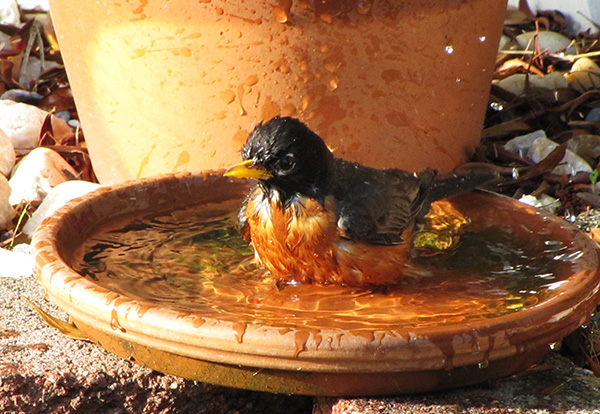
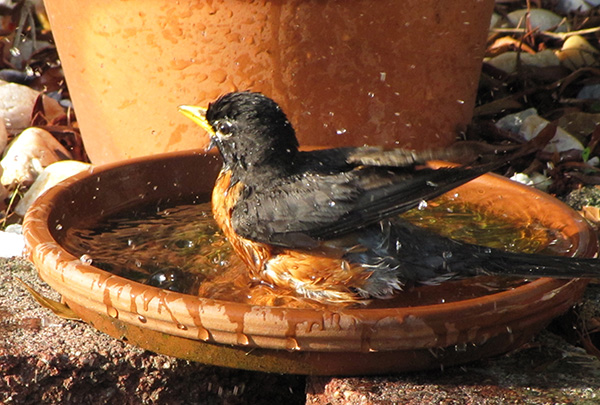
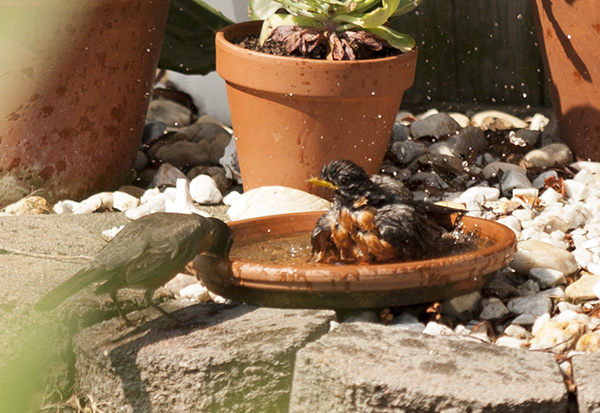
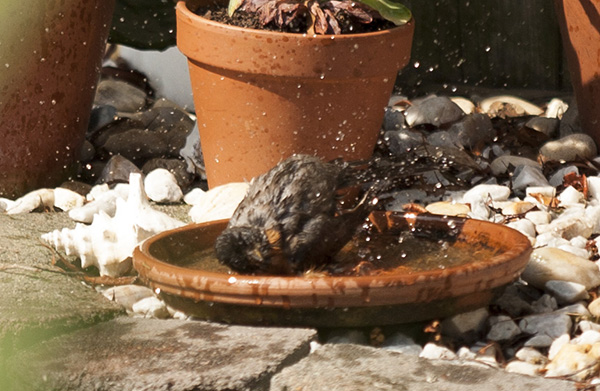
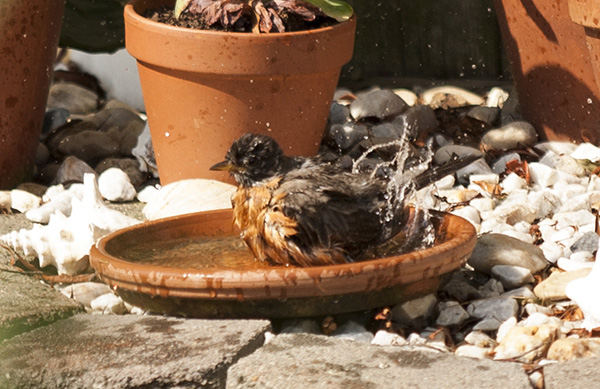
One of the features missing in our yard is a proper bird bath. I frequently pause in front of bird bath displays at home improvement and garden stores, but I always find an excuse to move on without buying. My most recent excuse has to do with our robins, who seem perfectly content to bathe in plant saucers.

Robin May 26

Robin May 26

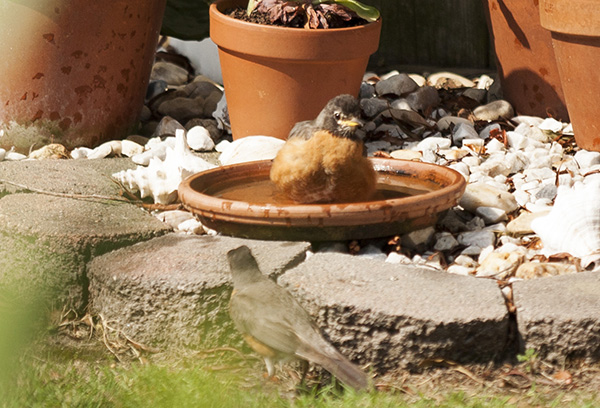
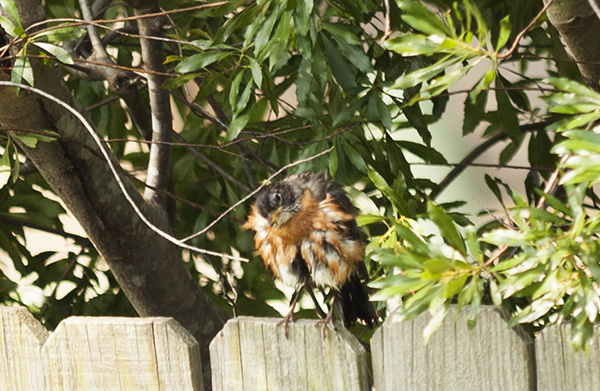
As the summer has gotten hotter, the robins have started following me around the yard while I water the flowers, waiting for me to fill their saucers. Then they line up and take turns splashing about, sometimes returning three or four times before the water level gets too low for splashing.

Robin July 8

The yard’s smaller birds, even the rabbits and squirrels, hang back and wait for the robins to leave before they approach. I’ve tried adding more saucers, but each new saucer only multiplies the number of robins that flock toward our yard when they hear me turn on the hose.

Robin July 8

Robin July 8

Robin July 8

It’s almost enough to make me want a swimming pool, so I could do some splashing of my own.

Robin July 8

January Birds

The yard was full of birds today. Flocks arrived in waves, flashing in and out of patches of sunlight as they foraged. Rather than braving the cold, I sat in the window with my camera and enjoyed a long, quiet afternoon in the warmth of our kitchen.

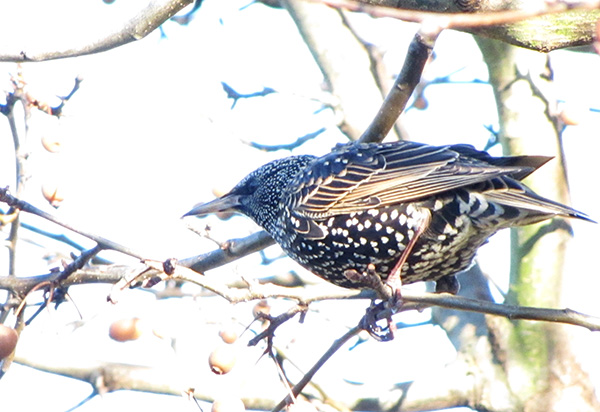
Starling Jan 4

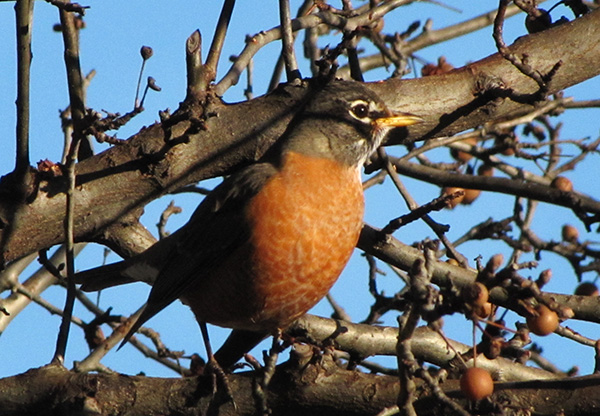
Robin Jan 4

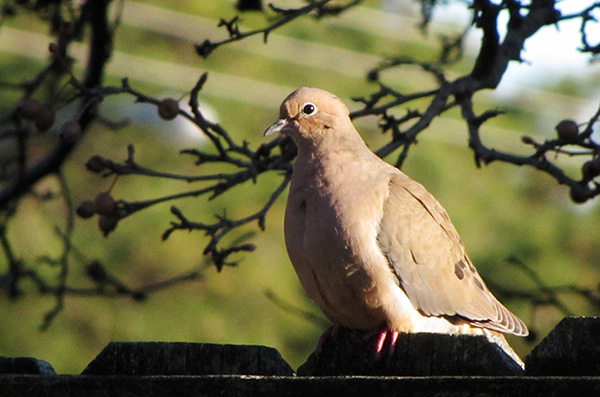
Dove Jan 4

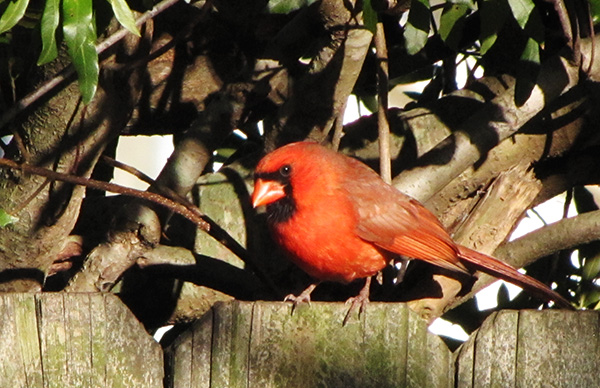
Cardinal Jan 4

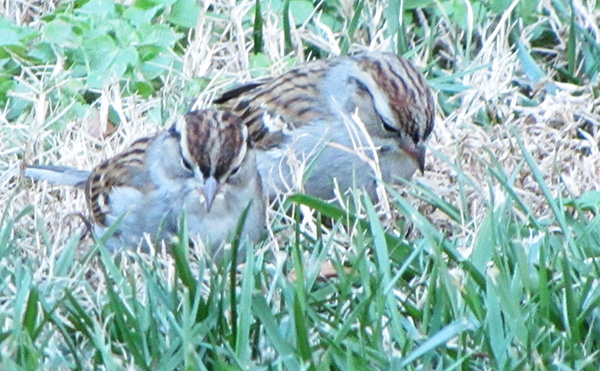
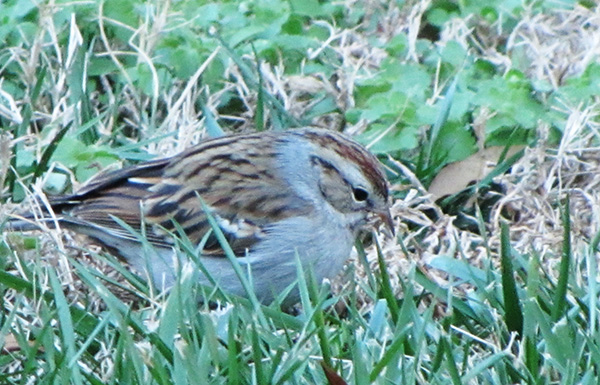
The chickadees, warblers, and woodpeckers were too busy to stop for photos, but a small flock of sparrows spent nearly an hour grazing in the half-frozen grass and weeds. They stayed in a part of the yard that had already fallen into shade, pointedly avoiding sunlit areas.

Sparrow Jan 4

(There were four of these little sparrows, and I’ve had no luck identifying them. Chipping Sparrows? Swamp Sparrows? Am I getting close? Please comment if you can help!)

Sparrow Jan 4

Sparrow Jan 4

Tomorrow is forecast to be a bit warmer with lots of sunshine. I wonder if the birds know?