Photos of Spring and a Publication Note

Flowers April 6

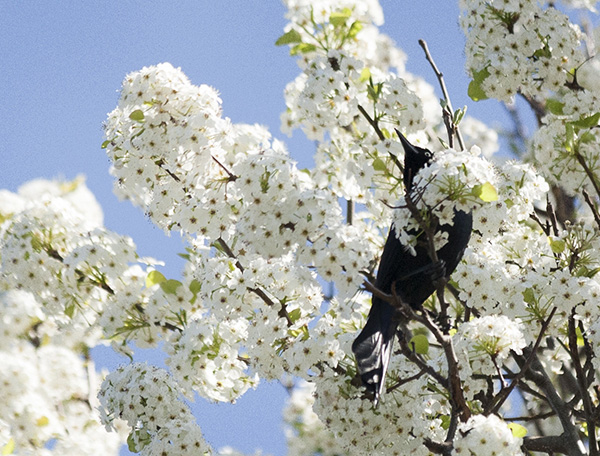
The daffodils, all three of them, bloomed this week. As did the pear tree.

Grackle April 6

While it has plenty of bird visitors, the pear tree hasn’t seen its usual complement of pollinators.

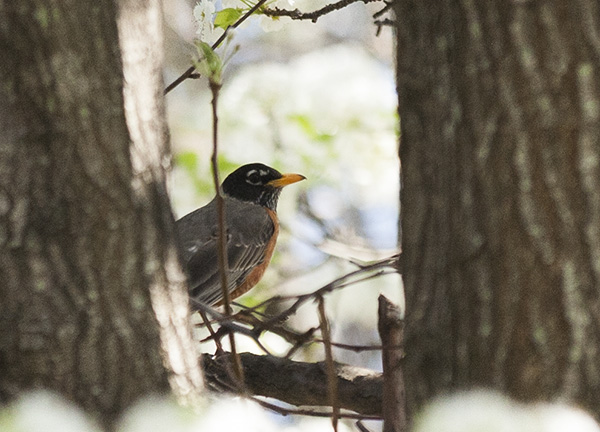
Robin April 6

The pear blooms usually draw bees and beetles by the hundreds, but many of the pollinators seem to be sleeping in this year. Yellow-rumped warblers are getting most of the nectar.

Warbler April 6

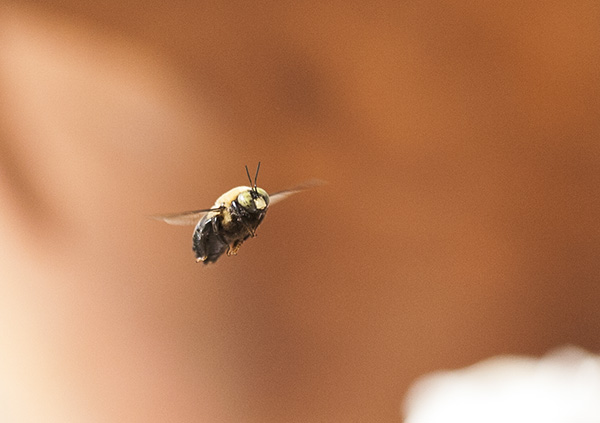
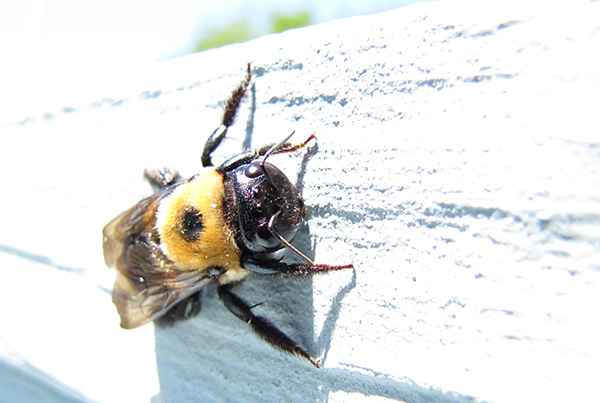
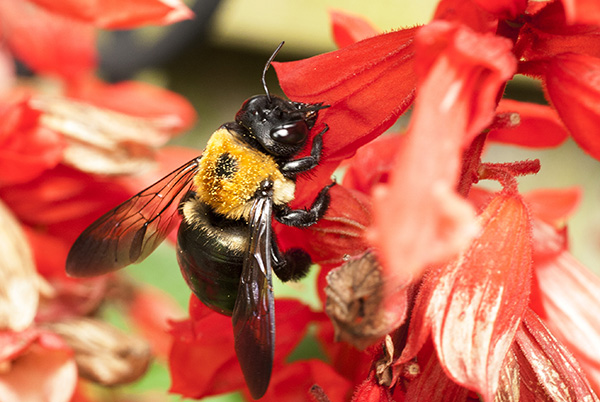
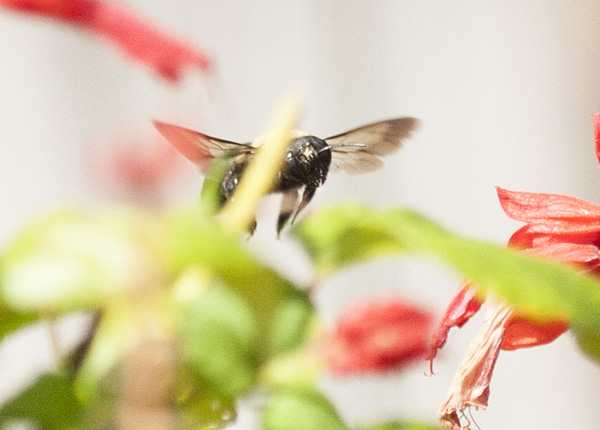
The pear tree’s pollinators may be sleeping in, but the carpenter bees are awake and active. Territorial males have claimed pockets of airspace near the house, fence, and deck. Their physiology must be wondrously efficient, because they patrol and defend their claims with seemingly endless vigor, never pausing to eat. They aren’t interested in nectar. They’re waiting for females to arrive.

Carpenter Bees April 6

My favorite news from the yard this week comes from the milkweed. It survived our long, cold winter, which means we might have more monarchs this year!

Milkweed April 6

My favorite other news involves a publication note. My short story “Numbers” is now posted at The Blue Hour Magazine. This is my first fiction publication!

“Numbers” is the first short story I ever attempted. For nearly ten years I returned to it periodically, each time applying what I had learned since its last revision. Finally, in 2013, the story seemed to defy further revision. By then the opening had been entirely restructured and the word count cut by more than half. That year “Numbers” won Honorable Mention in the Frank Lawlor Memorial Fiction Prize at the Hampton Roads Writers’ Conference.

I let “Numbers” drift to the bottom of my to-do pile after its award, but in January of this year I decided to give the story one final edit and begin submitting it for publication. Then I selected a new practice manuscript from the archive, because I am not through learning. My journey with “Numbers” has reached a happy and satisfying conclusion, but my journey with writing will never end.

A Good Year for Wild Bees

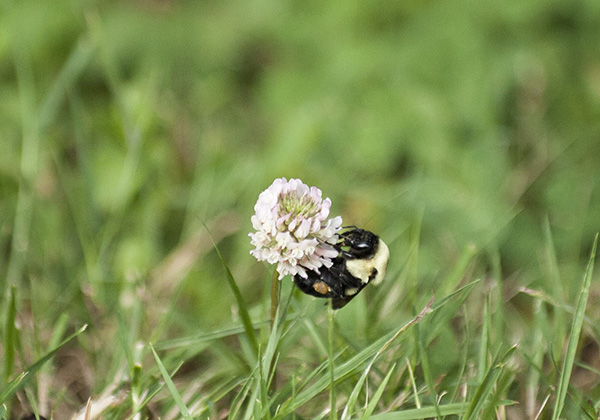
Bee June 2

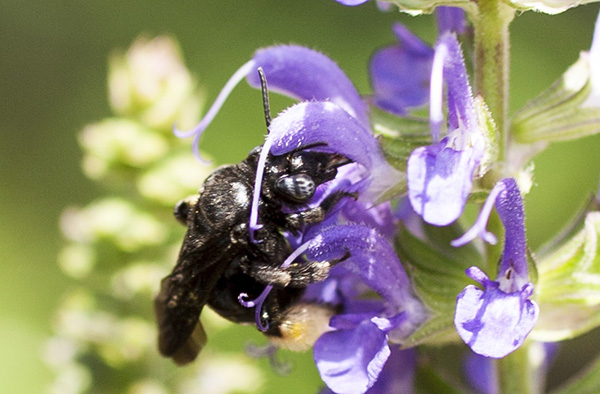
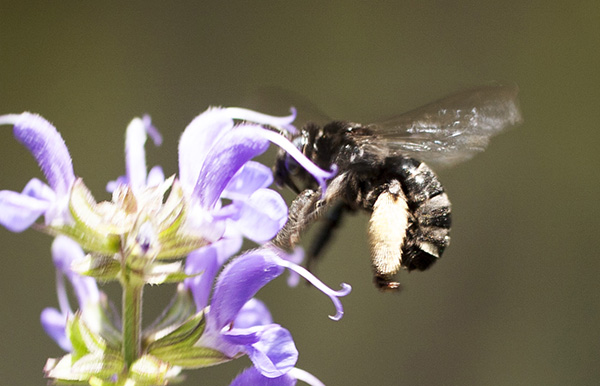
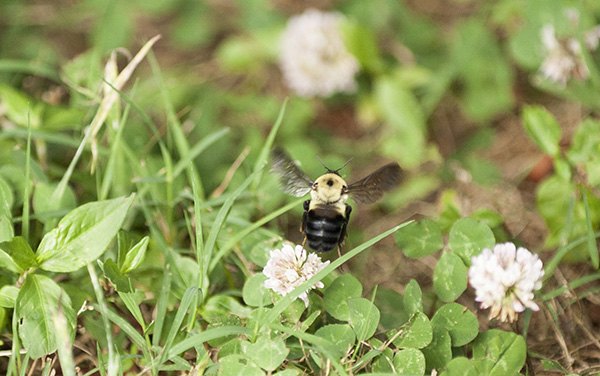
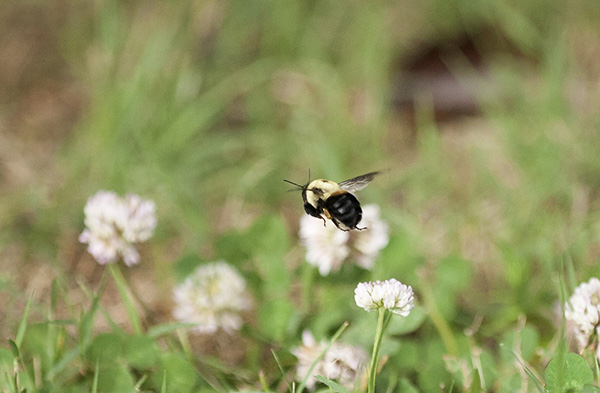
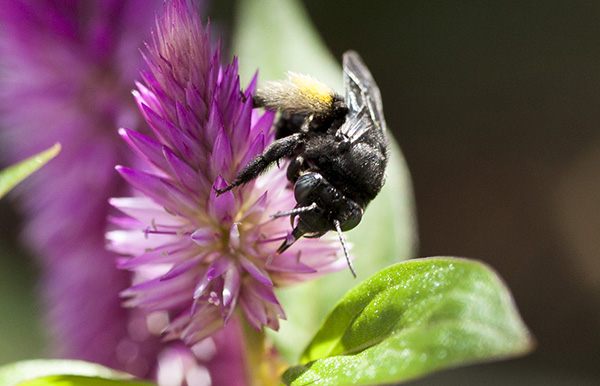
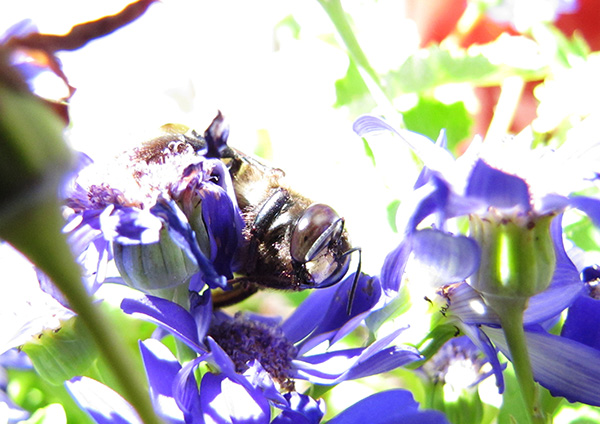
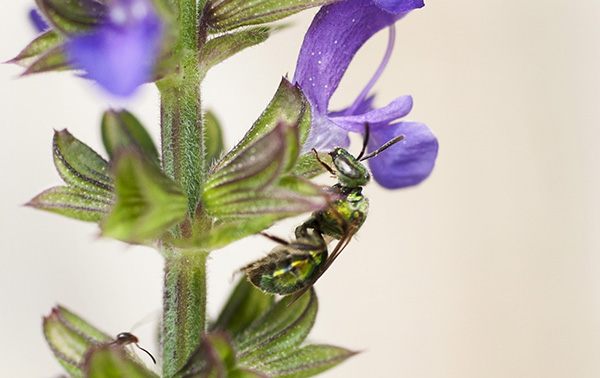
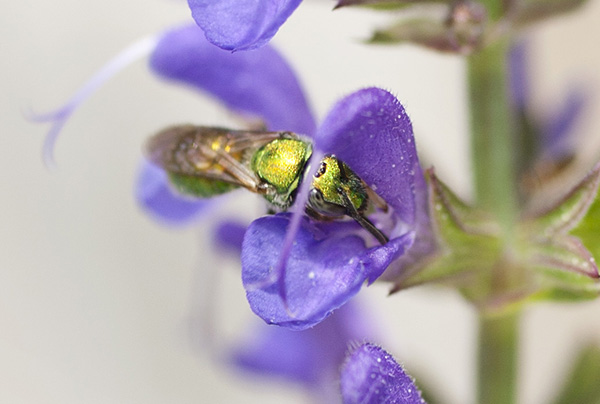
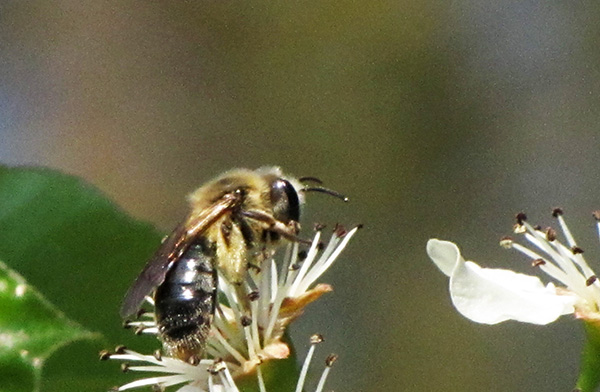
This summer’s butterfly shortage is not reflected in the yard’s bee activity. Early in May carpenter bees began arriving, followed quickly by mixed swarms of bumble bees, mason bees, mining bees, and sweat bees.

Bee July 15

Bee July 15

At first I tried to identify the bees in my photos, but my limited taxonomy skills were no match for the maze of overlapping body sizes, varying wing-vein patterns, and individual nesting strategies. (This article from National Geographic discusses, in part, the difficulties of bee identification.) Now I’m content to file all of my bee photos in a single “bee” folder, organized by date.

Bee June 14

Bee June 14

Bee June 14

None of the yard’s bees seem to mind being photographed, even from very close range. I’ve spent hours, this summer, crawling through patches of clover and kneeling beside the flower beds.

Bee July 28

Bee Aug 12

In all those hours I haven’t seen a single honeybee, which isn’t too surprising given the current crisis of Colony Collapse Disorder. Beekeepers have experienced devastating losses as their hives fail, and the dwindling honeybee population is a potential disaster for parts of the agricultural industry. Pollination is a key step between flower and fruit, between planting and harvesting. For some of our favorite fruits and vegetables, an orchard or field with active bee pollination produces increased quality (and quantity) at harvest. Take away the bees and the harvest suffers.

Bee Aug 31

Bee May 19

Fortunately, research indicates that solitary bees and bumble bees are excellent pollinators, especially when they share territories. (This blog post at Charismatic Minifauna offers a summary of research findings in blueberry crops. And a few miles from the yard, researchers are following strawberry crops pollinated by mason bees.)

Bee July 25

In the past, I’ve been reluctant to add bee houses to the yard, fearing stings. This summer’s bee hours have quieted that fear, and I’m planning to add at least two bee houses over the winter. These will provide nesting spots for mason bees and leaf-cutter bees, either in pre-drilled blocks of wood or bundles of reeds. (Here’s an article with instructions for building bee houses: Native Bees, Solitary Bees, and Wild Bees: What are they? [PDF].)

Hopefully next summer I’ll spend even more hours crawling through the clover and kneeling beside the flower beds…

Bee July 15

Bee July 15


Feeding the Rabbits

I never feed the rabbits on purpose. They are wild rabbits, not domestic.

Rabbit July 20

It’s a weak argument, at best, because I often put out bird seed. Birds are wild, as are the squirrels who steal the bird seed. Why feed them, but avoid feeding rabbits? Also, as a reader noted in commenting on a previous post, rabbits sometimes graze on flowers. Recent developments have made me consider this fact in new light. How can I claim to “never feed the rabbits” if I am planting flowers the rabbits will eat?
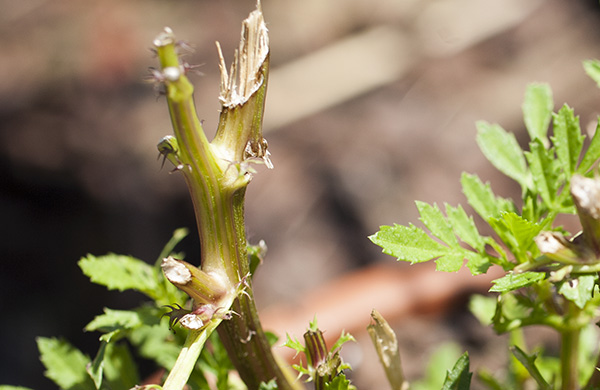
Marigold July 26

In past years the rabbits’ appetite for flowers has been low-impact, but this year’s toll is on the rise. By mid-July the victims included marigolds, rose of Sharon, succulents, a pair of ornamental sweet potato vines (which are in the process of recovering in a hanging basket), and coneflowers.

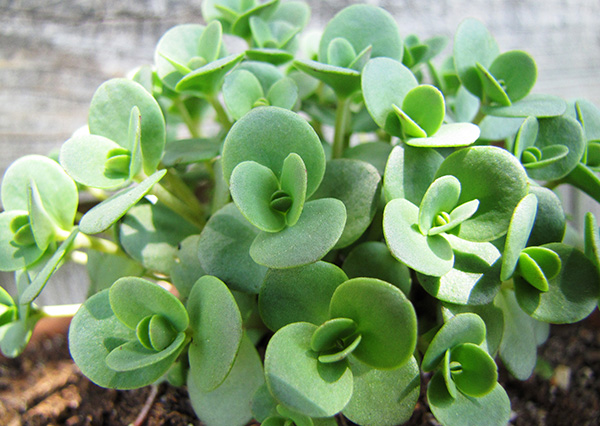
Succulents July 26

Potato Vine July 23

All of these losses were logged under “remember not to plant these again” and forgiven, until coneflowers entered the picture. Quite literally entered the picture, stoking my obsessive fascination with bees and bee photos.

Bee June 27

I bought the summer’s first coneflower on a whim, trying to ignore foggy memories of a previous coneflower failure. For over a week I enjoyed an increasing spectacle of bee activity.

Bee June 27

Then I woke one morning to a pitiful collection ruined coneflower parts. That afternoon, while a series of rabbits munched on the flower’s remains, I concocted a coneflowers-in-containers scheme. A short trip to the garden store later, I had a new bee-magnet planted out of the reach of rabbits. Or so I thought. Coneflowers, it seems, are irresistible rabbit treats. Containers that provided dependable rabbit-proofing in the past are no match for a motivated rabbit.

Deep in the grip of bee-mania, I returned to the garden store in search of a taller, better container. During that trip I bought two more coneflowers. I also bought tickseed and a hybrid black-eyed Susan, both labelled “deer resistant.”

Tickseed July 23

As I’m sure any true gardener would already know, “deer resistant” is not the same as “rabbit resistant.”

Rudbeckia July 23

As for my taller, better coneflower container…

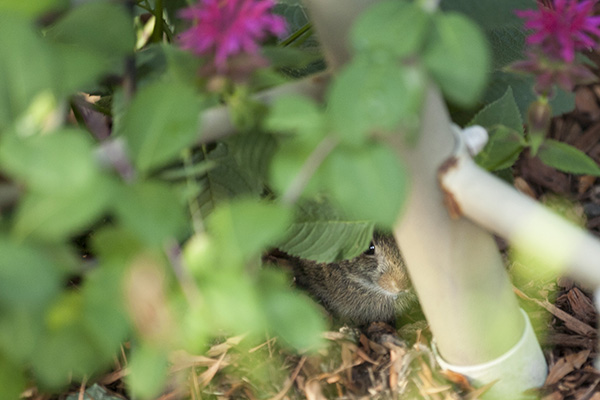
Rabbit July 21

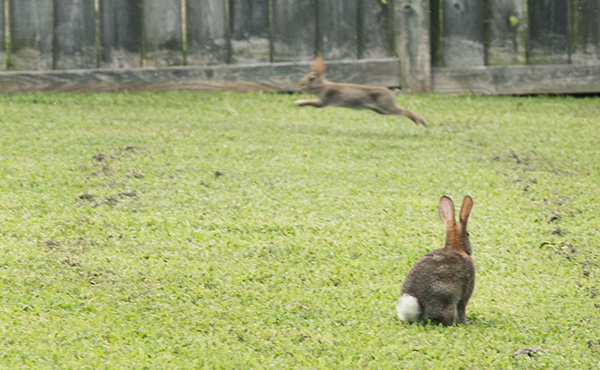
The big rabbits conquered it almost immediately, and the smaller rabbits soon followed.
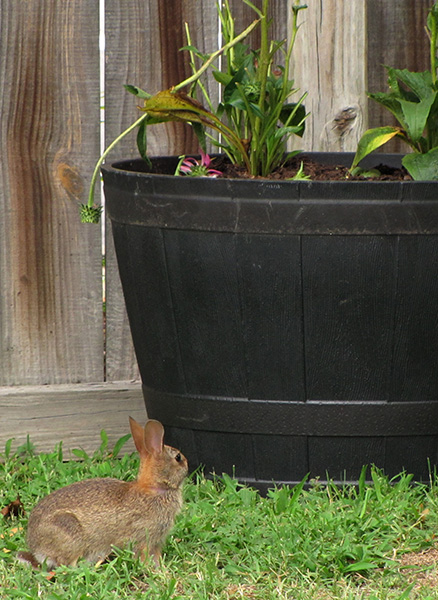
Rabbit July 21

After eating its fill, this one spent some time mocking me…

Rabbit July 21

I knew the rabbits could jump that high. I just didn’t think they would. Especially as there was very little cover available in or around the coneflower container, and hawks often hunt in our neighborhood. Under normal circumstances, the rabbits avoid being so exposed.

Rabbit June 26

Rabbit June 26

The following photo shows the same rabbit as earlier. I’m pretty sure it was still mocking me…
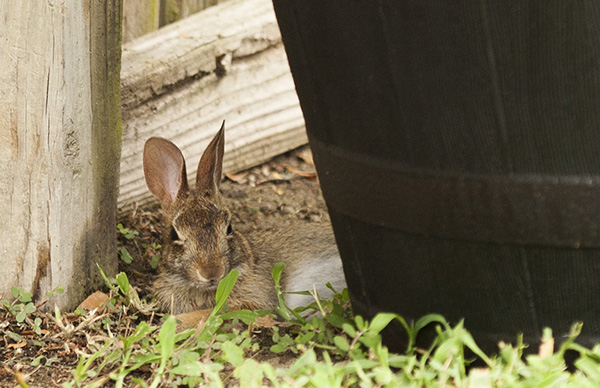
Rabbit July 20

I should have given up after the second failure. More reasonably, after the first. Because, in the end, all of my efforts added up to an embarrassing series of rabbit feasts. And, as much as I enjoy watching and photographing the rabbits, I didn’t mean to feed them.

I didn’t mean to feed them because I enjoy watching and photographing them.

Rabbit June 26

Rabbit June 26

Rabbit June 26

(The above photos were taken in late June. The babies are still growing, and a group of slightly older rabbits has joined them in the yard.)

Rabbit July 20
Rabbit July 20

The yard has never supported more than one or two rabbits over subsequent seasons, and five (or more) seems an invitation for overpopulation troubles. Ticks and tick-borne diseases are an obvious concern, as ticks are visible in many of my photos.

Rabbits July 5

Also, winter will certainly bring a shortage of food for the rabbits, along with other stressors. At this age, they should be learning how to find food. I fear that having it so easily delivered makes them less fit. It also encourages them to stay in a territory that cannot support such a dense population.

In trying to learn from my coneflower debacle, I’ve frozen my yard budget for the rest of the summer. No more new flowers. No more new containers. (I made one last purchase, before freezing the budget, which will appear in a future post.) The rabbits may take what they need from what the yard produces, and I will continue enjoying their antics, but they will remain wild. As wild as possible in their suburban habitat.

Recovering from a Wintry Week

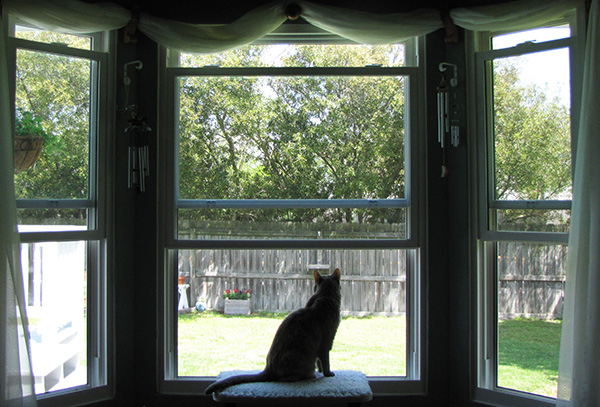
Window April 22

*Cue Announcer* 

We now return to our regularly scheduled season, already in progress…

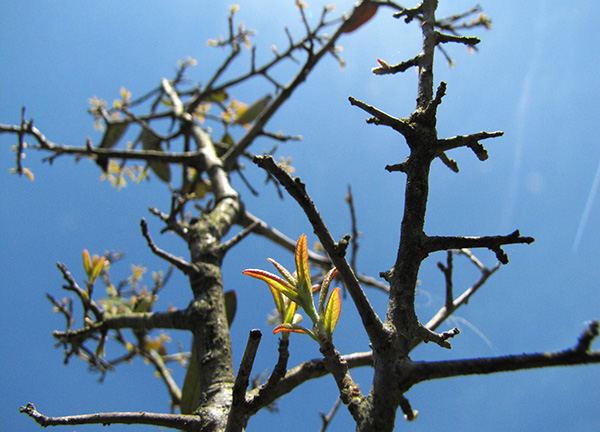
Live Oak April 13

Dragonfly April 14

Green

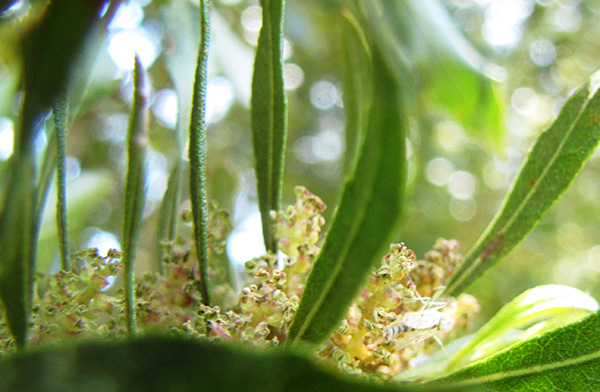
Wax Myrtle April 22

Squirrel

Rabbit April 22

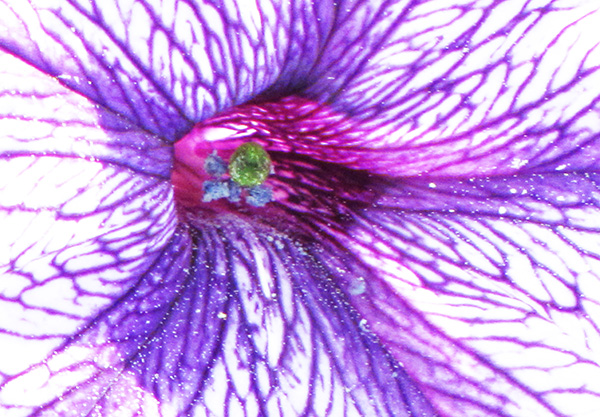
Petunia April 21

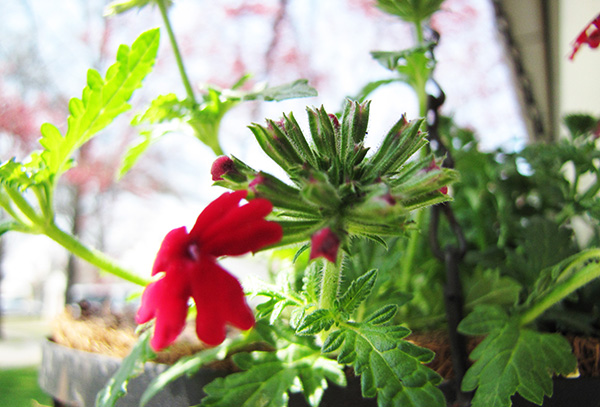
Flowers April 2

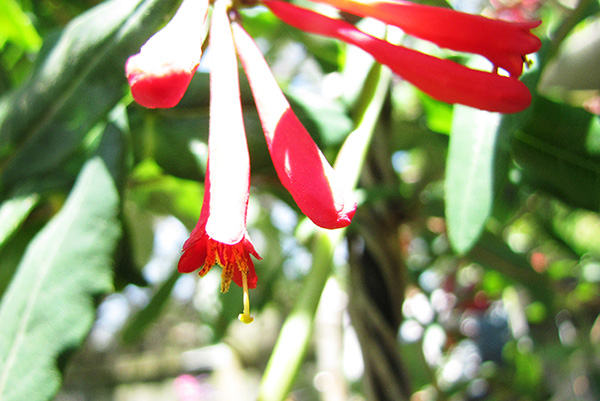
Honeysuckle April 22

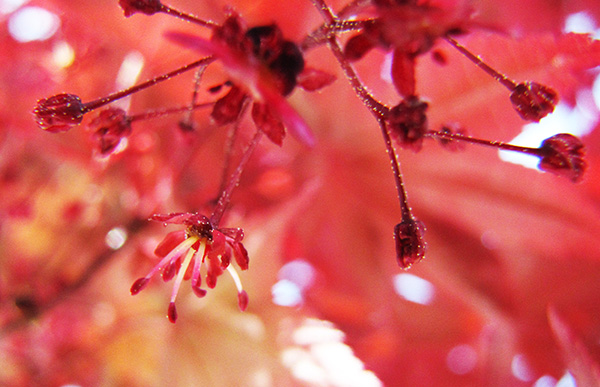
Maple April 21

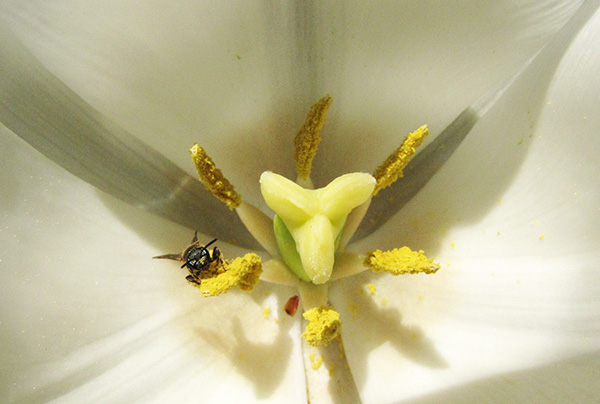
Bee in Tulip April 22

Pollinating the Pear Tree

It happens every year, and every year I spend hours trying to capture it with my camera.

Bee April 9

Every year I fail.

Bee April 9

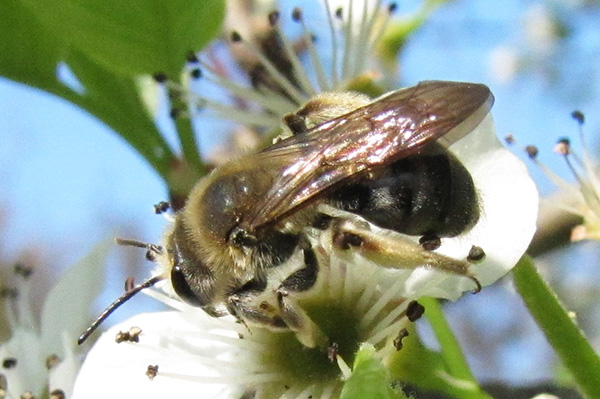
The pear tree’s spring spectacle is impossible to capture in photos. Or in words.

Bee April 9

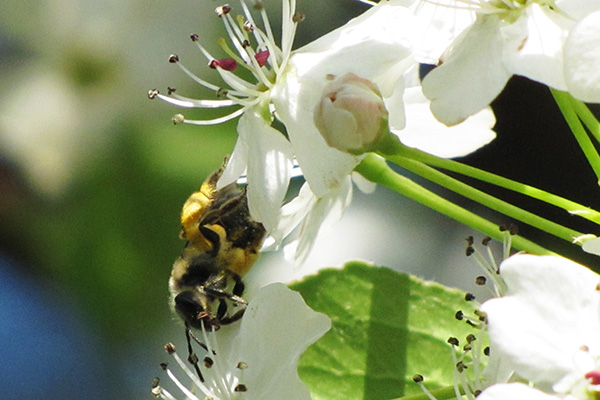
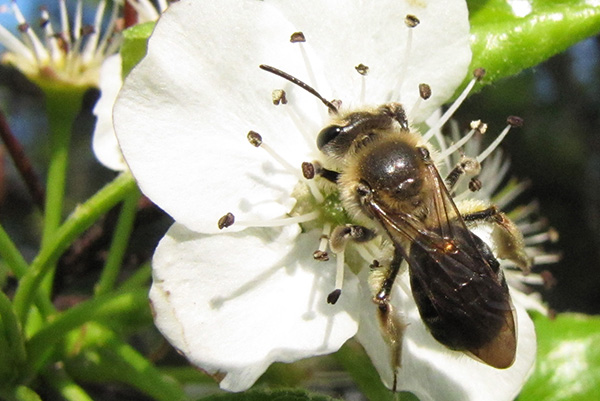
So many bees!

Bee April 9

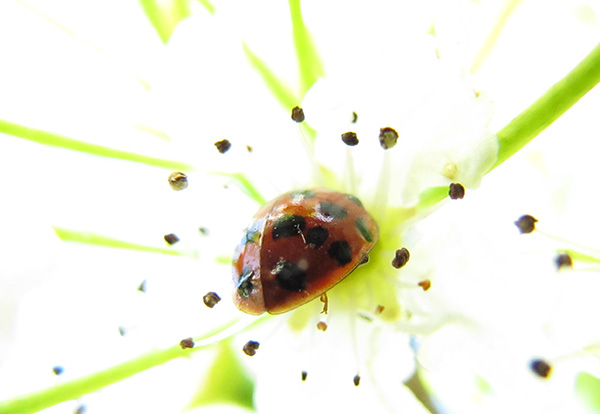
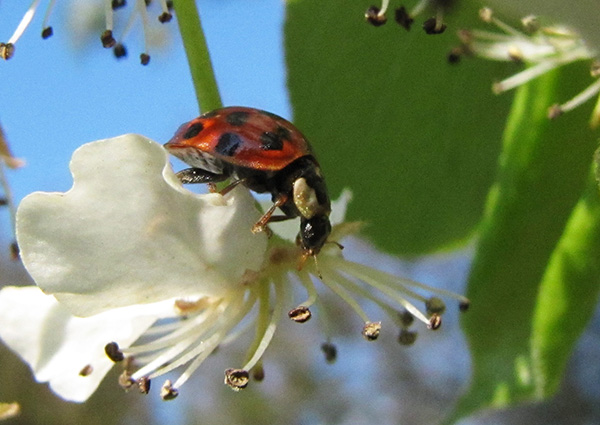
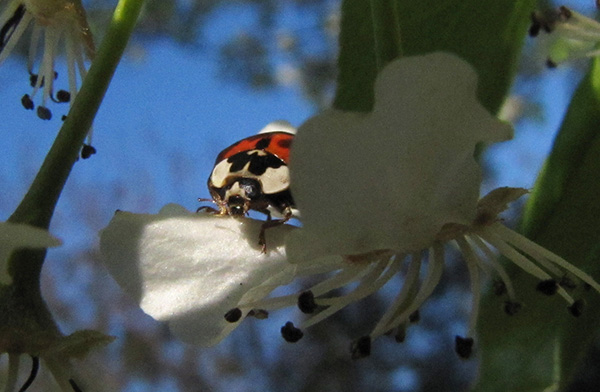
The nectar explosion brings a horde of other pollinators, too. Enough to keep a taxonomist busy for weeks. Today I became distracted by a handful of lady beetles that were burrowing into the blooms.

Ladybird April 9 1s

At first I assumed the lady beetles were eating aphids, or other insects. But after watching a while, I decided they were there for the nectar, like everyone else.

Ladybird April 9

Everyone except me, that is.

Ladybird April 9

I was there for the sunshine and the photos, and the riveting wonder of it all.

Ladybird April 9