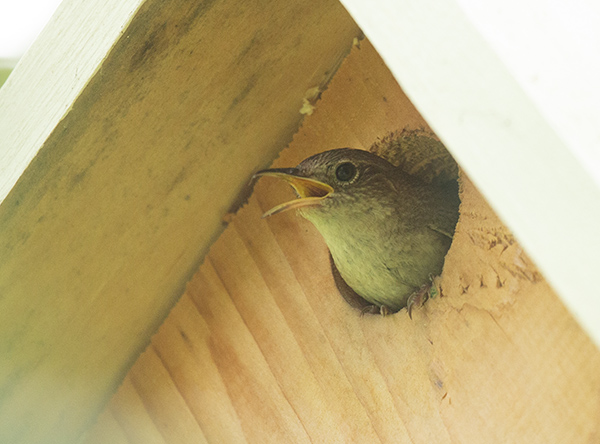
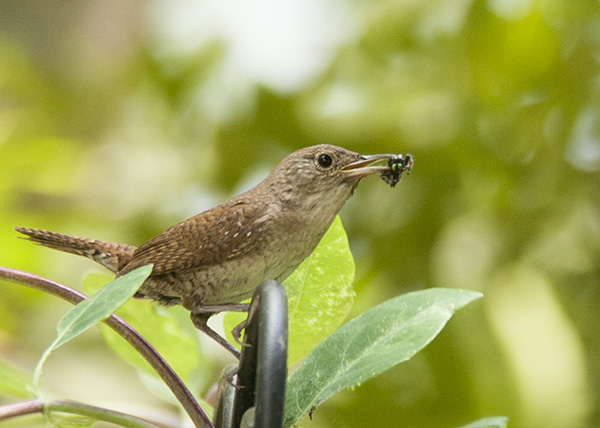
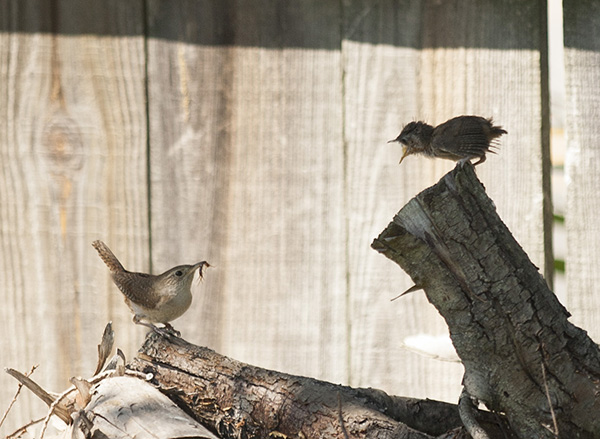
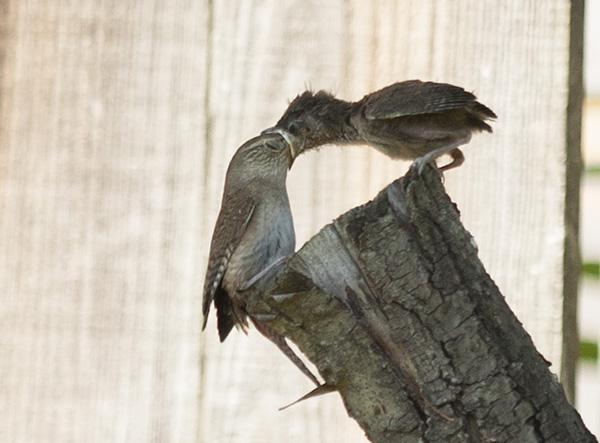
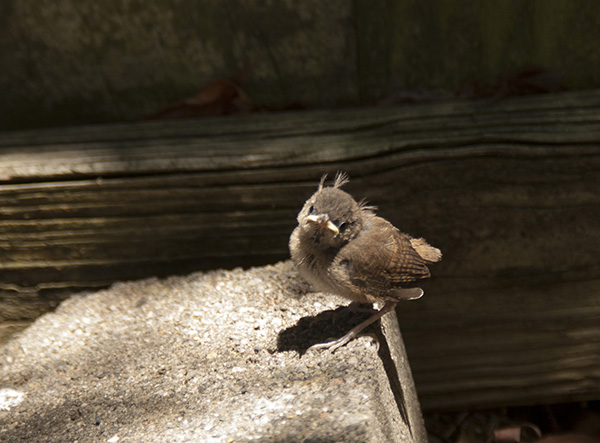
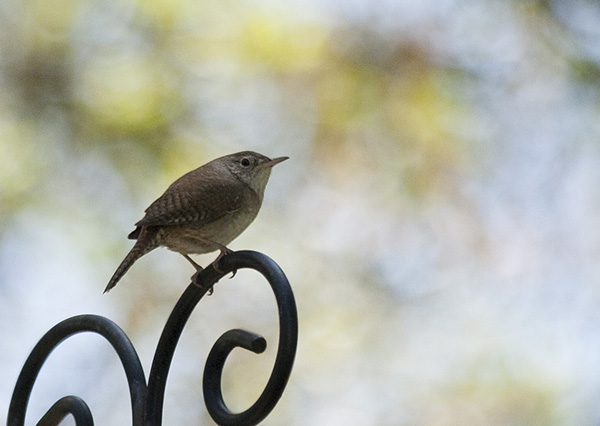
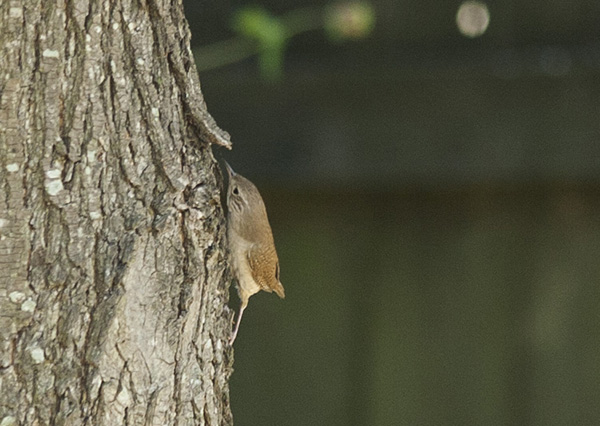
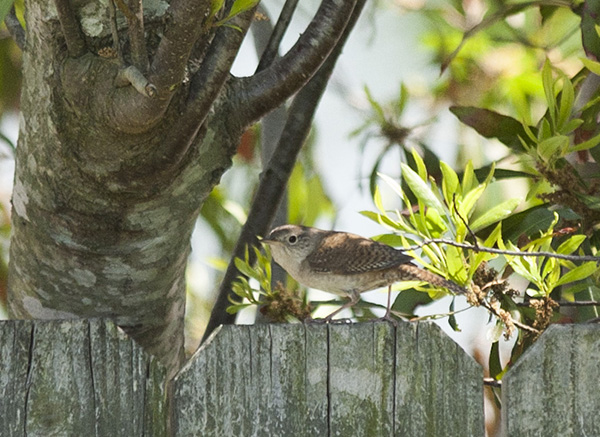
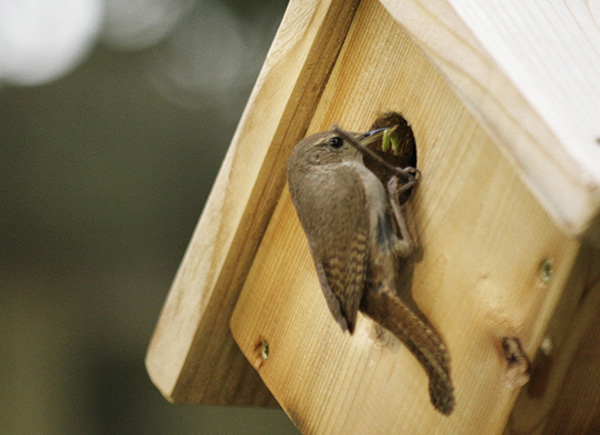
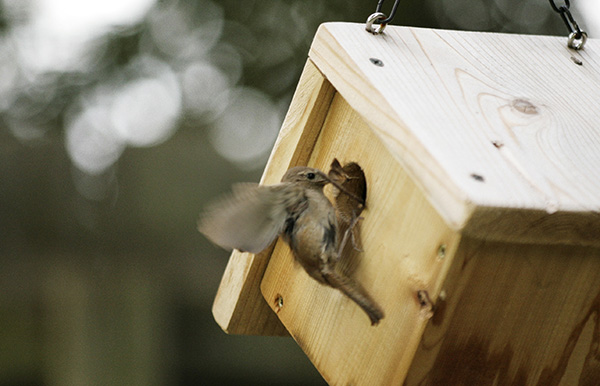
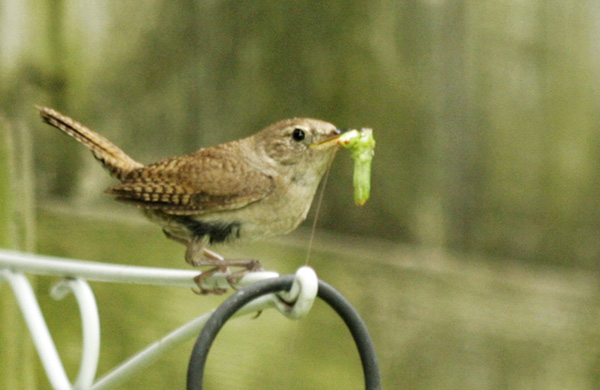
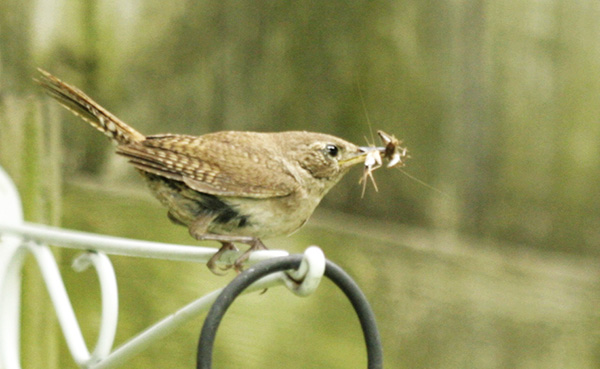
I’m a fan of wrens, in general, and House Wrens, in particular.
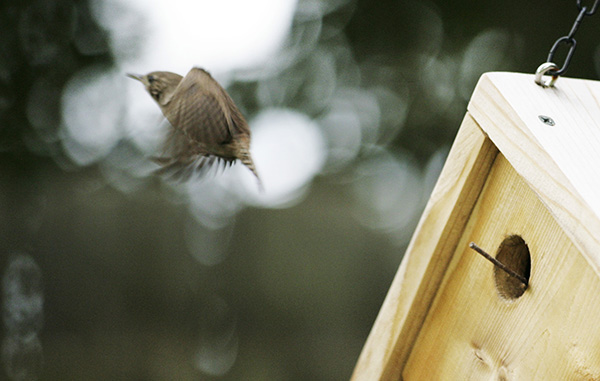
Busy, grumpy, and brash, these little birds make a big presence in the yard.
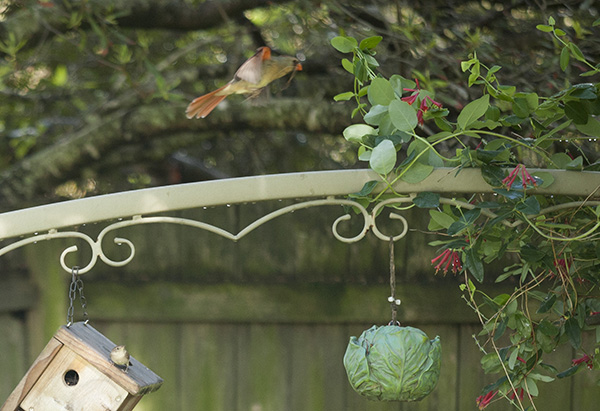
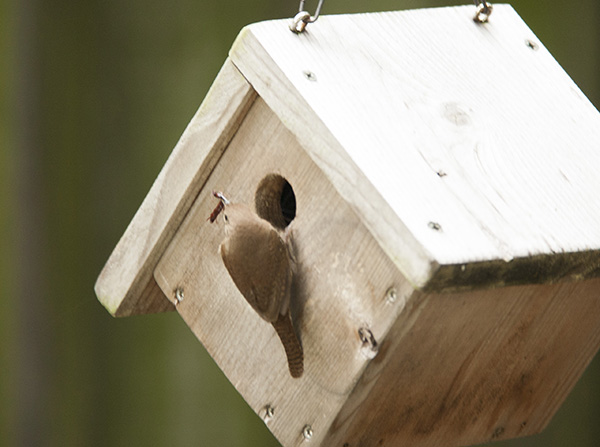
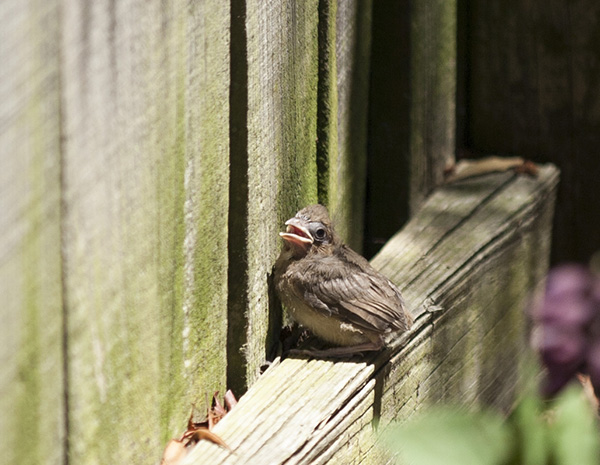
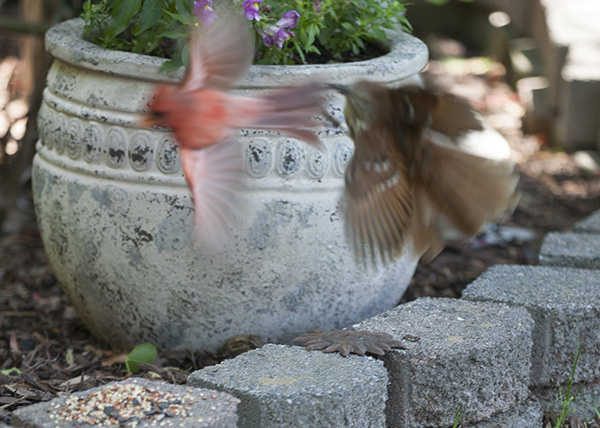
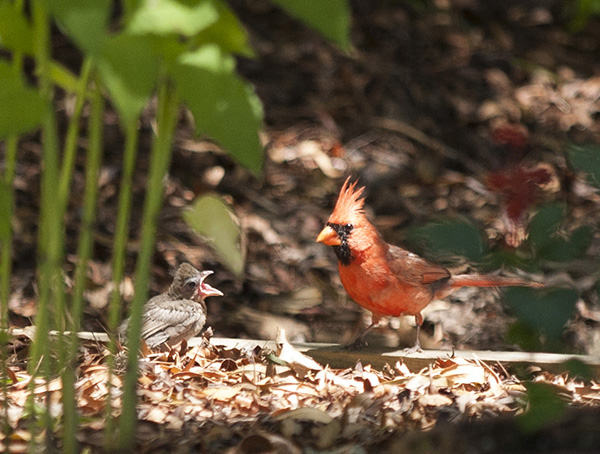
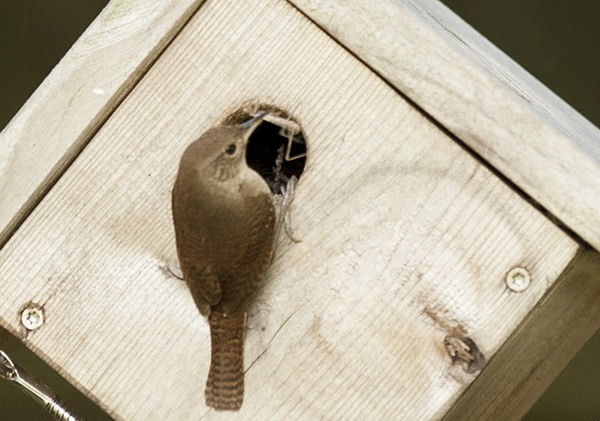
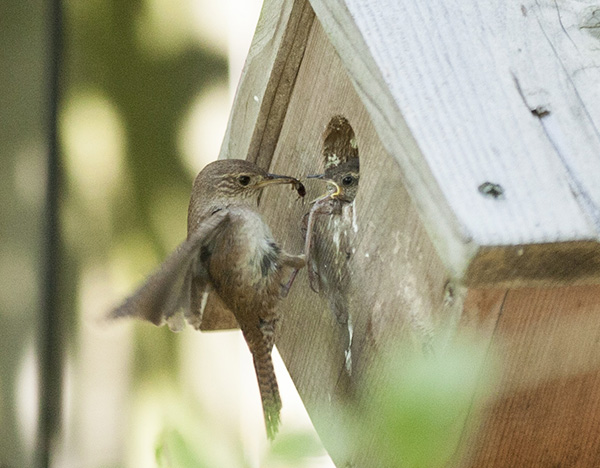
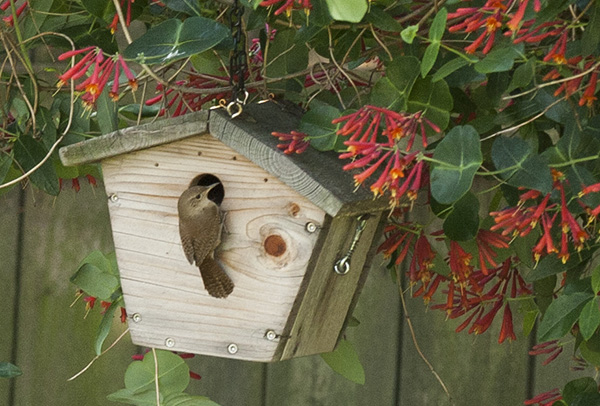
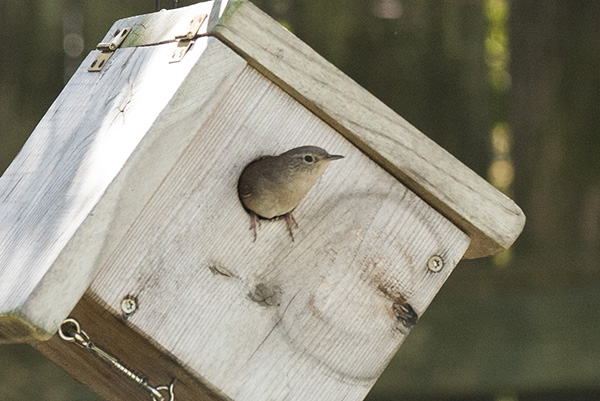
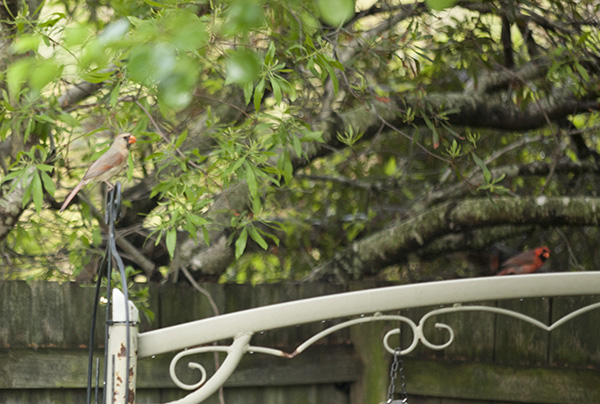
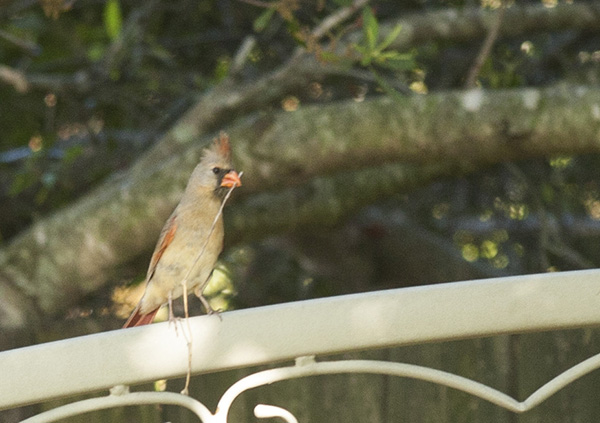
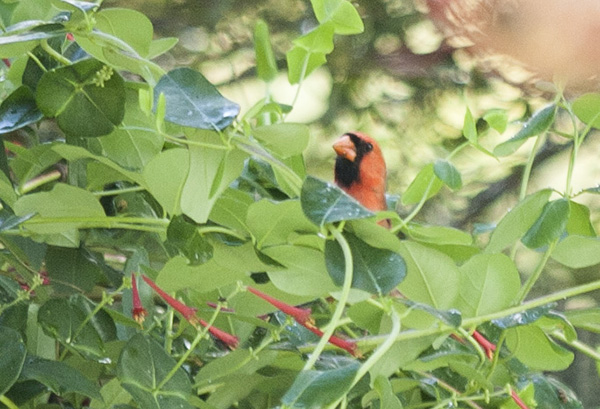
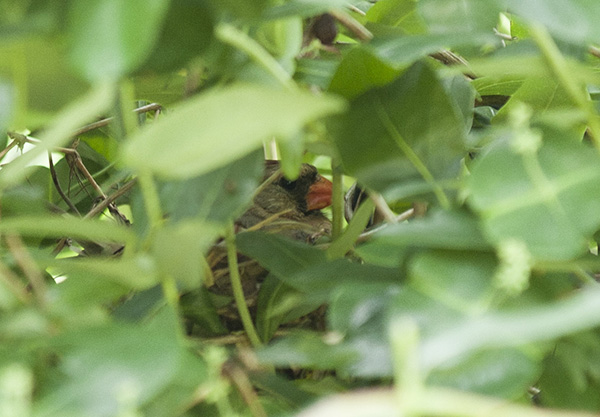
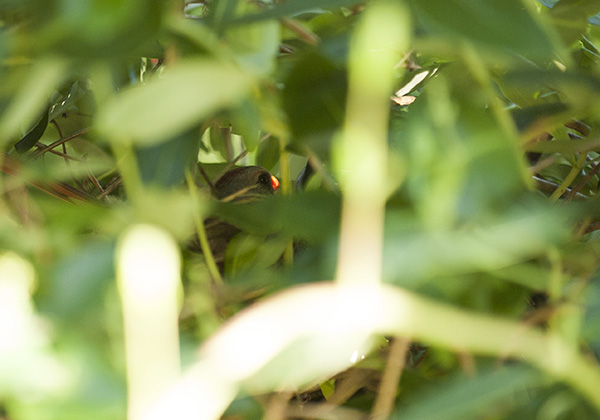
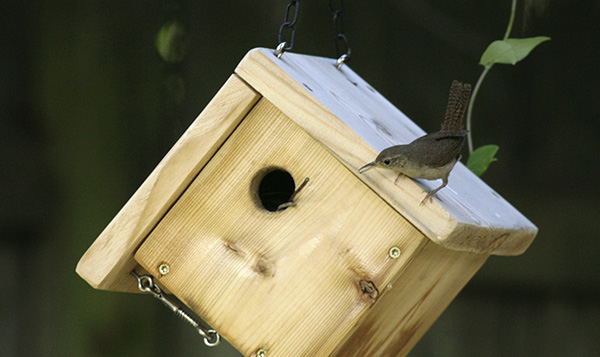
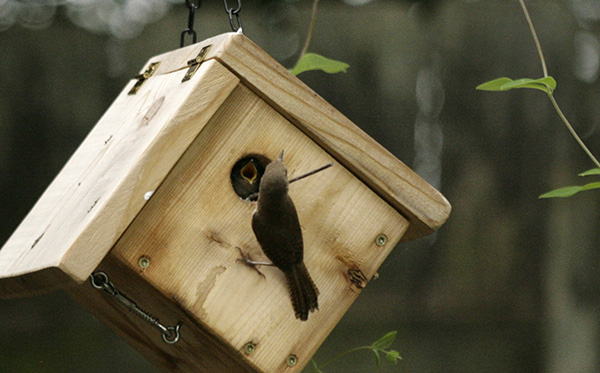
The yard’s House Wrens are attentive and productive parents. (One little male was over-attentive, to the point of feeding nearby cardinal nestlings.) These little birds appreciate the nest boxes I make, which gives me incentive to make more nest boxes. It’s nice to feel like I’m contributing to the cycle.
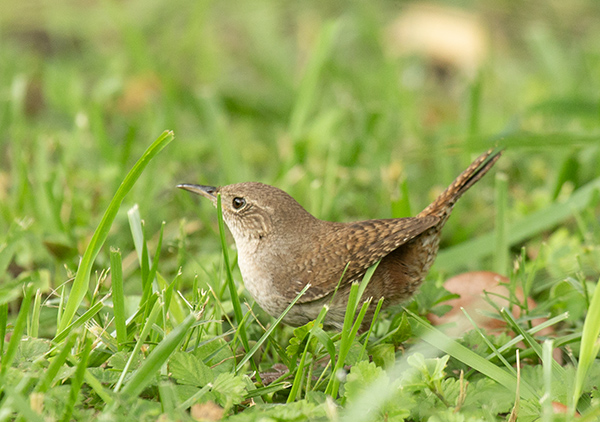
The House Wren cycle starts each spring, when the males show up. After a bit of territorial wrangling, a dominant male settles in and claims all the wren-sized nest boxes.
All the boxes.
The males add a touch of twig-and-duff bachelor furniture to each box, then they start singing.
Loudly.
Such big songs, from such little birds.
When females arrive, the males go all out. Extra singing. Extra everything, including a high-pitched whistle almost above my hearing range.
The males dash around, showing off their boxes and bachelor furnishings, lingering at their favorite box, switching favorites in a heartbeat if the females favor a different box.
The females mutter and fuss, inspecting each location according to their own private checklist, ignoring the males’ antics. Eventually, one of the females chooses one of the boxes, and the real work of nest construction begins.
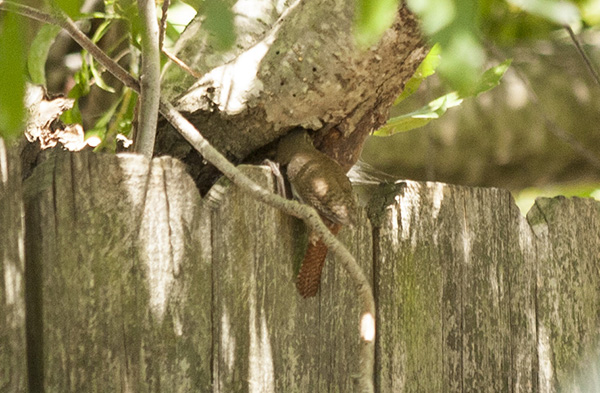
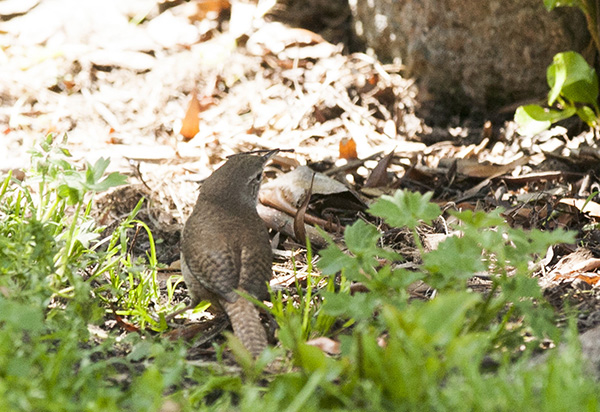
The female wrens scour the yard and pollinator beds for just the right materials, in just the right sizes. They stuff their chosen box with twigs and dry grass, moss and spider webs, muttering as they work. Scolding squirrels and photographers who venture too close. Scolding the male wrens, too, if they pop into the box for a glimpse of fresh decor.
The females haul and grumble, while the males twitter and sing.
It’s all very overt and conspicuous.
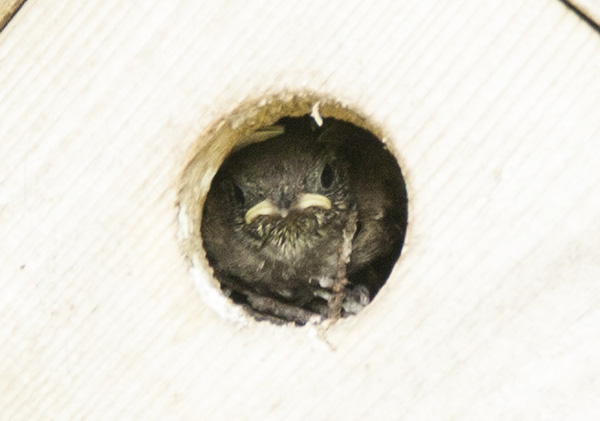
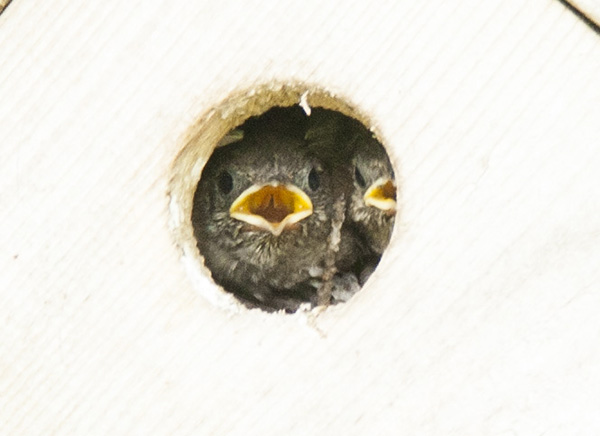
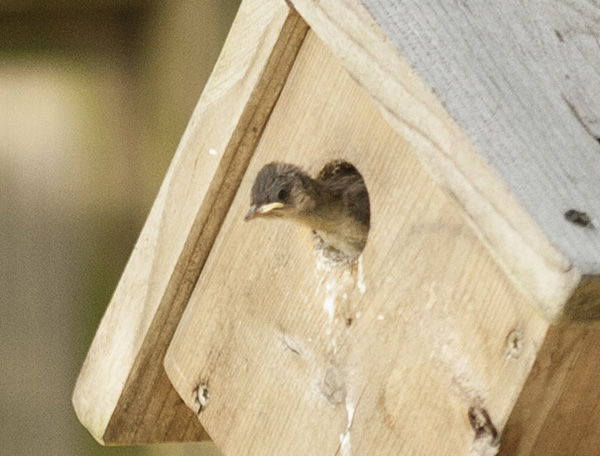
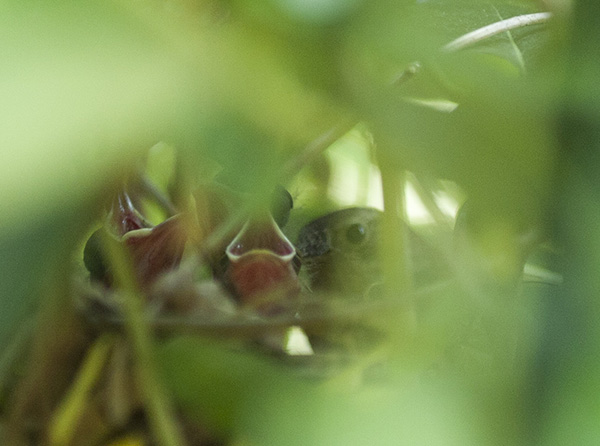
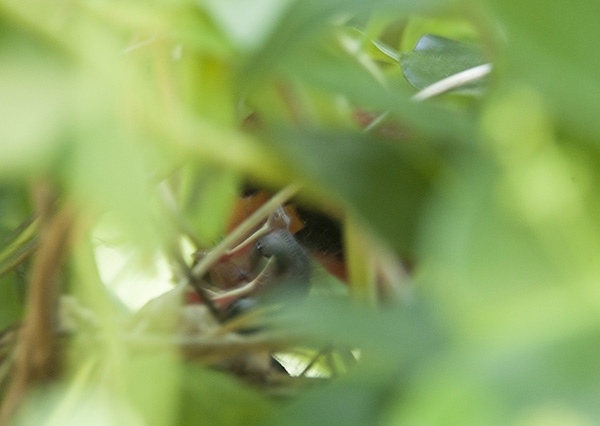
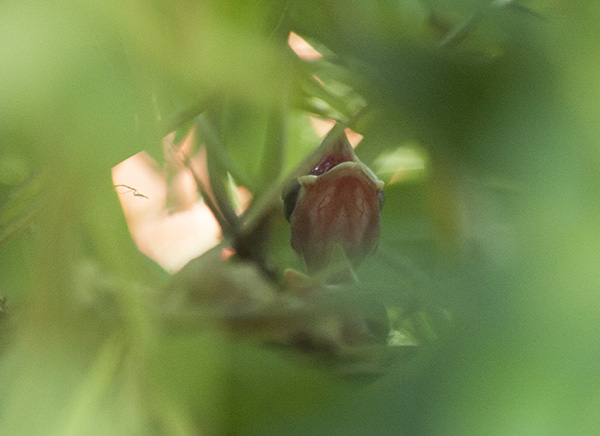
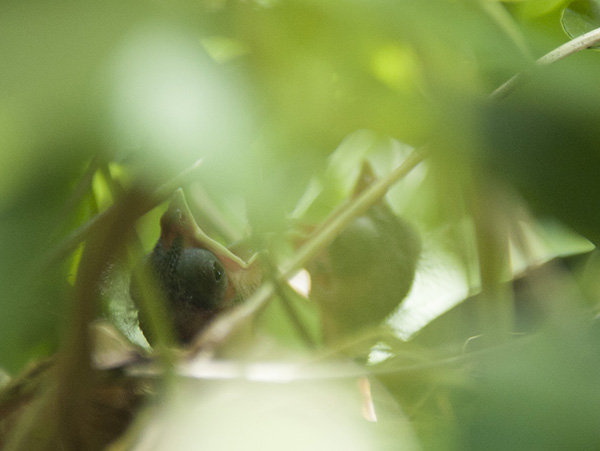
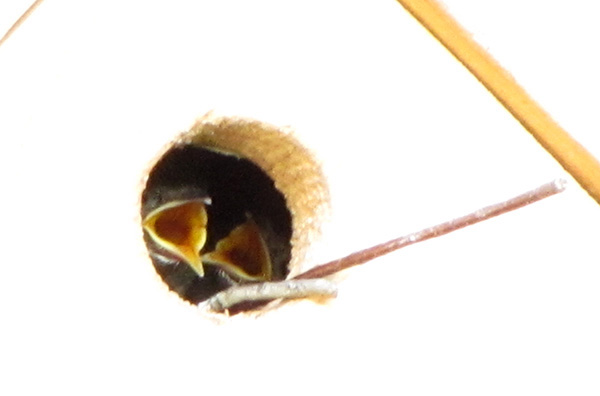
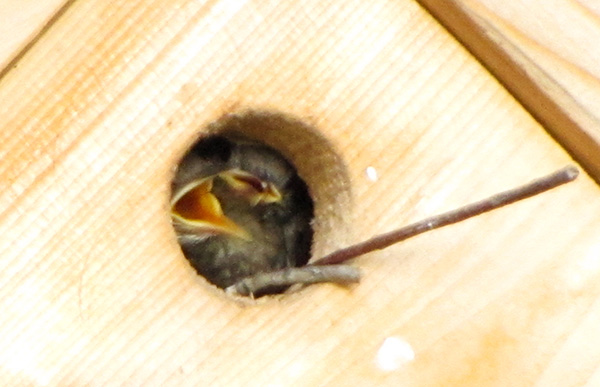
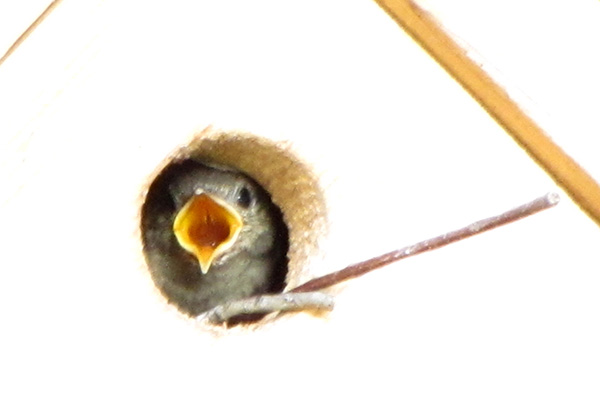
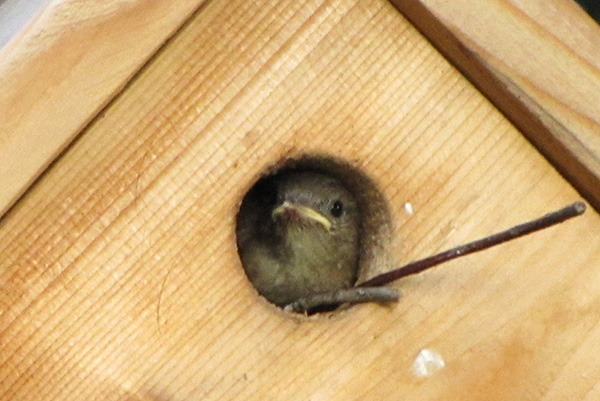
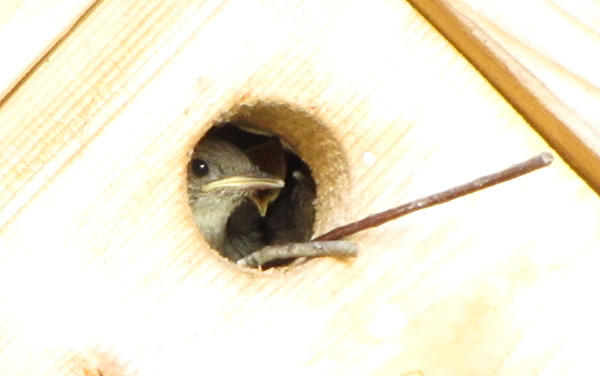
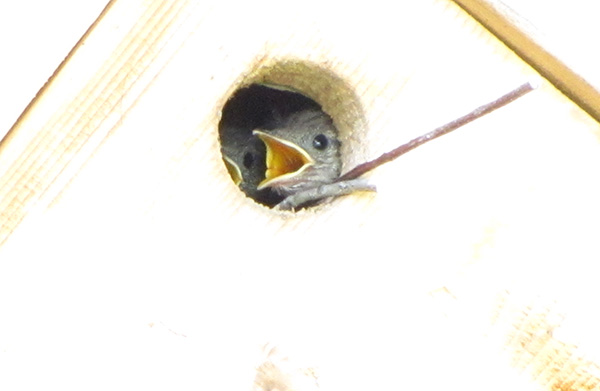
And then, on some future day, the nest wakes with its own song. A hungry song that grows louder each day.
Through it all, the male wrens sing.
Loudly.
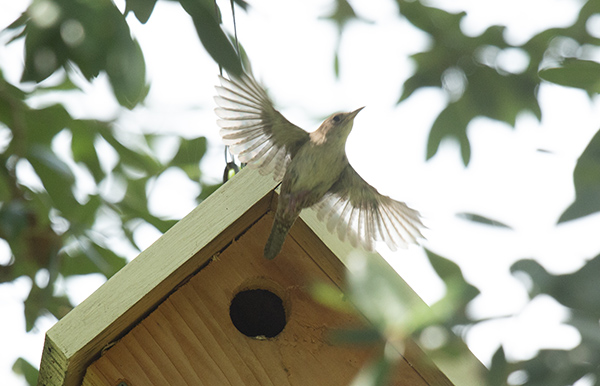
Which is why I surmise that the missing parent, from last June’s nest, was the male.
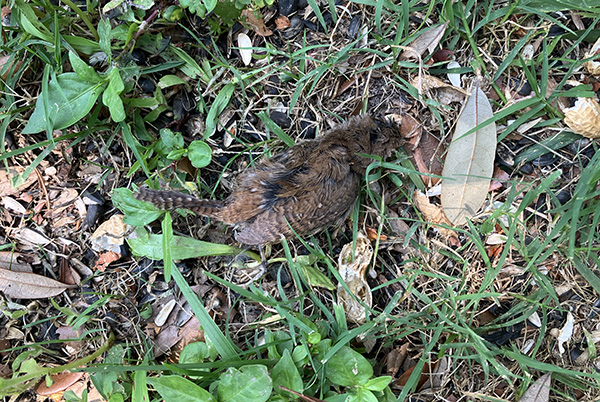
When I found a little House Wren body, near the nest, time had already erased its cause of death. All that remained were traces of recent life. Feathers. Stiffening limbs. Breathless silence.
The yard’s sudden silence was sad enough, without the knowledge of near-hatching eggs in the nest box.
[Look away or scroll quickly, if you don’t want to see his death photo.]
[It’s not gory. There’s no blood or open body cavities. Even so, I understand that acceptable levels of gore and/or death imagery are best judged by readers, not bloggers. It is, after all, death.]
[It’s the next photo…]
A quick internet search yielded little information about House Wren nest success, after the death of a parent bird. (Please post in the comments, if you know where such information exists.) Anecdotes abound—stories of successful nests tended by a single parent, stories of abandoned nests, stories of new partner birds destroying eggs and chicks.
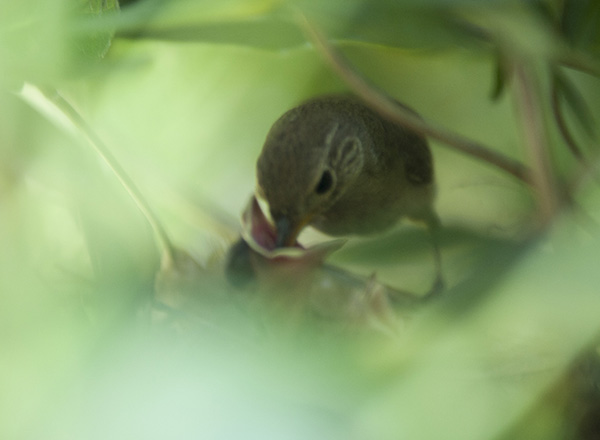
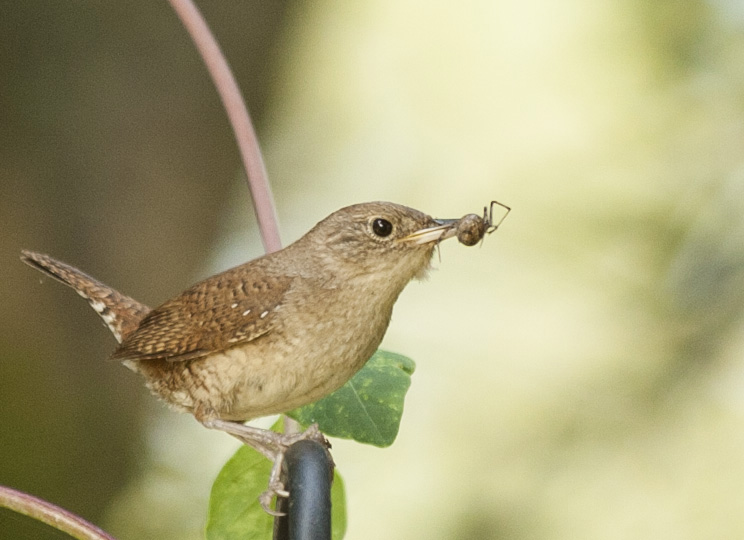
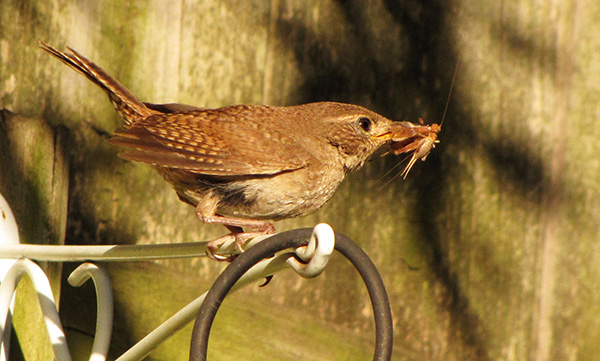
While I mulled over anecdotes, the eggs hatched. Playing out a new anecdote, the single un-singing wren hunted and foraged and flitted around the yard, shouldering the work of two.
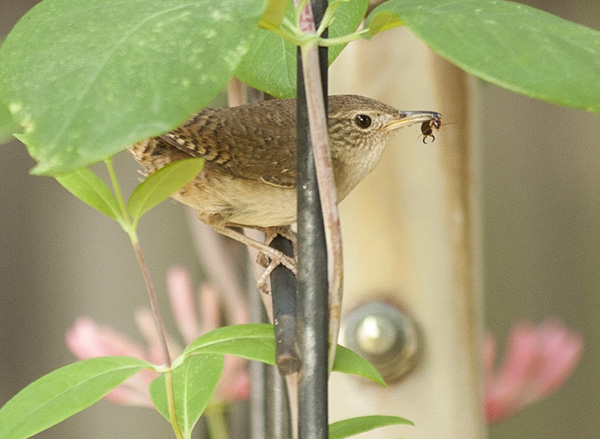
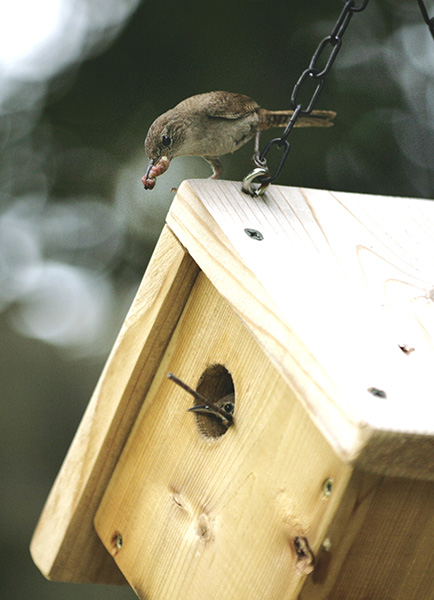
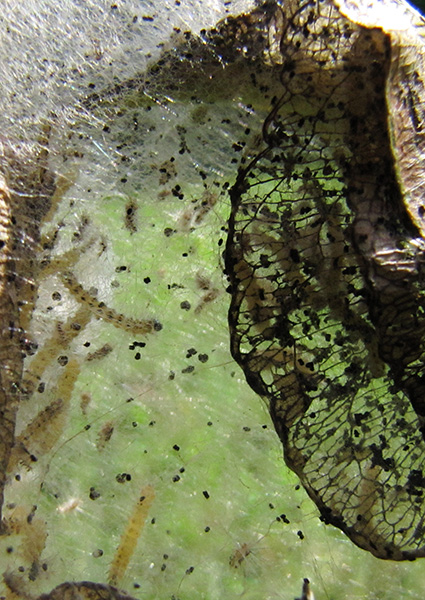
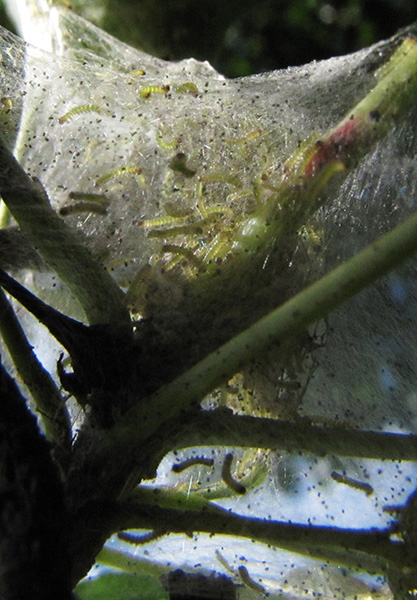
Soon the pollinator beds were stripped of caterpillars, and the wren was dodging off into nearby yards, expanding her search grid. Further and further she commuted, with longer and longer gaps between visits to the nest.
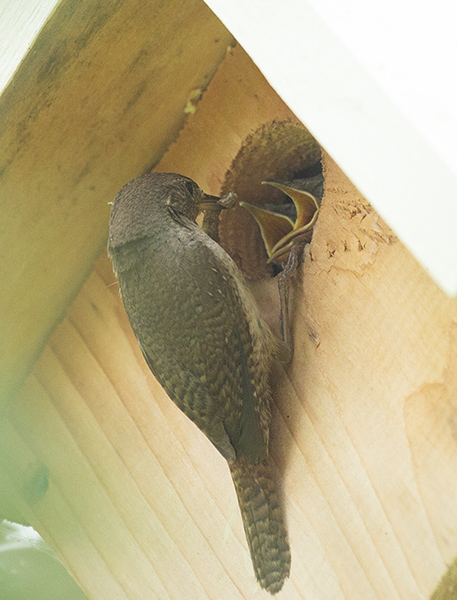
As I’ve noted before, I’m a hopeless meddler. When the yard’s cycles get disrupted, I try to help.
Only the wren knows whether or not she needed help, but I was determined.
In the end, I opted for supplemental feeding in the form of meal worms.
I first offered dried meal worms (they were the easiest and least expensive option). The little wren never even glanced at my offering. Dried meal worms were not on her family menu.
My next option was live meal worms.
I struggled with empathy, as I spooned meal worms from their pet-store cups into the wren’s dish. The feeder-rack meal worms were, after all, trying to live their own best lives. Who am I, to exercise such control over living things? I have no answers, only a hierarchy of perceived need in which the wrens won that particular moment.
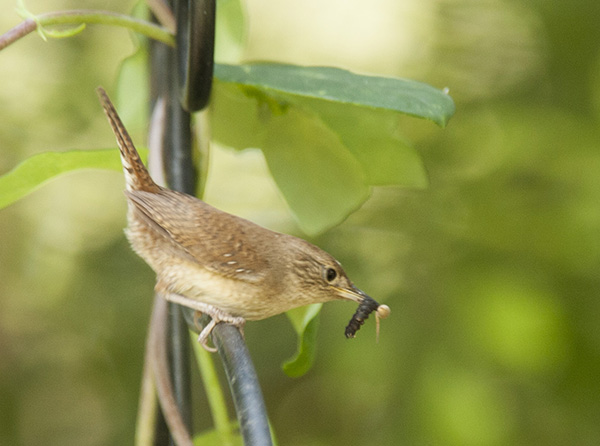
Meal worm empathy aside, now the wren and I were on the same page. Live meal worms, dished up just beneath the nest, were (apparently) a welcome addition to the nestlings’ diet.
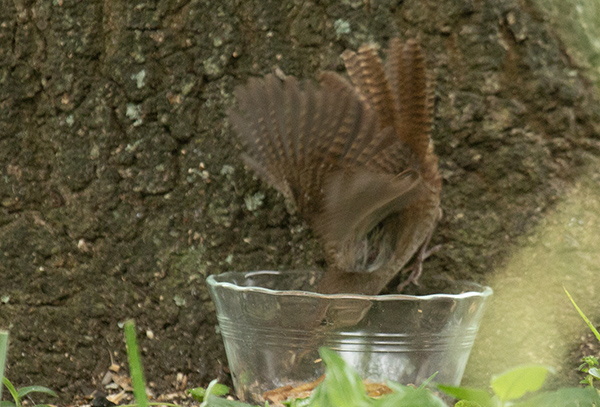
I couldn’t afford to offer around-the clock meal worm service, nor did it seem healthy for the nestlings. I opted for two or three servings a day, each serving made up of eight or nine small-to-medium meal worms.
After the second day, the wren would see me heading for the shed and pause her work, waiting beside her dish. Not singing. Just waiting.
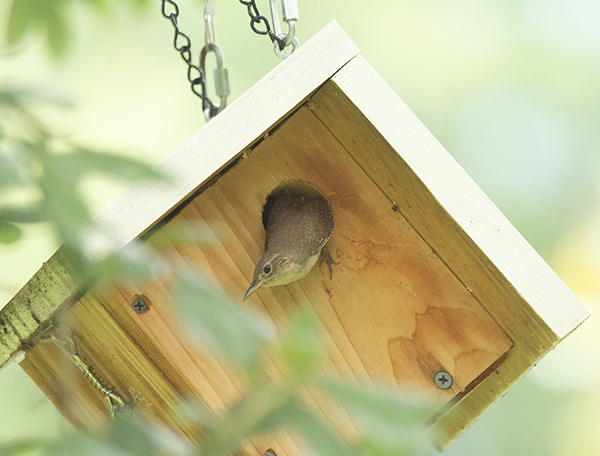
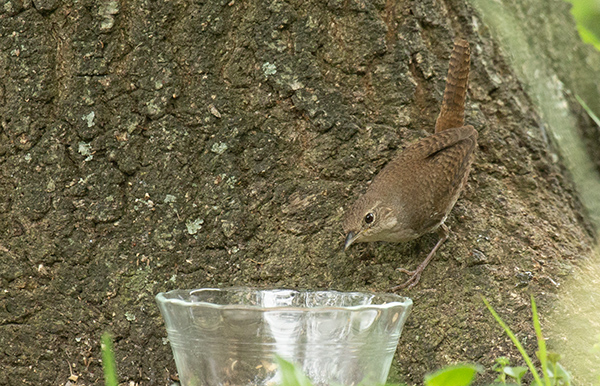
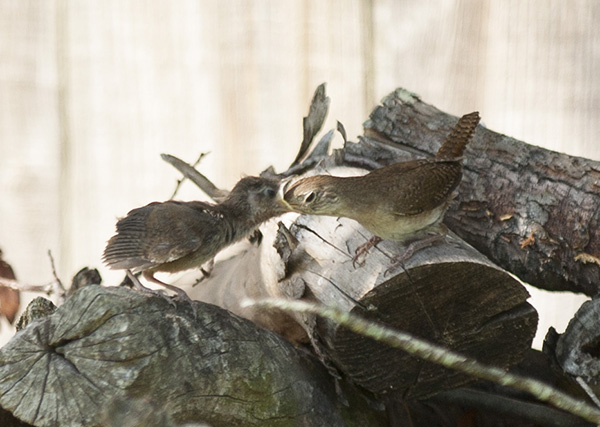
The wren fed the meal worms to her nestlings, but not without modification. She had a routine of taking a meal worm from the bowl, smashing it violently against the tree root, then carrying the stunned worm to a nearby row of landscaping bricks, where she did more smashing and bashing, along with some selective dismemberment.
[Nature violence, in the next video, which shows the House Wren’s meal-prep routine.]
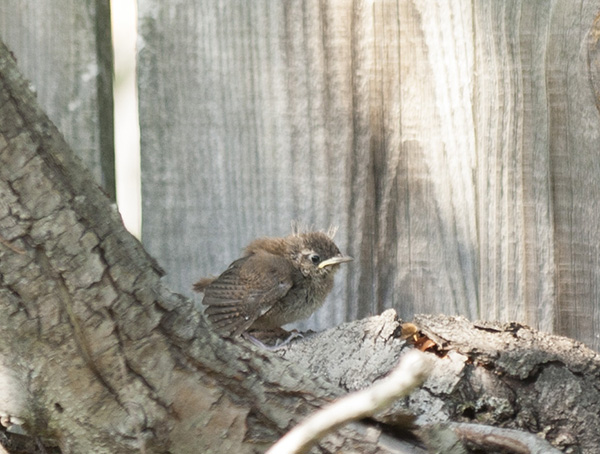
When the wrens fledged and followed their single un-singing parent away from the yard, I tried to gain some objectivity.
Had I really helped? (Probably not.)
Would the wrens have survived and fledged, without the meal worms? (Probably.)
How would these young wrens learn to sing, without a singing parent? (Good question. Please comment, if you know the answer.)
Of course, I’ll never know if my “help” really helped. I want to believe I helped, in no small part because I want to believe that the meal worms died for a healthy (helpful) purpose.
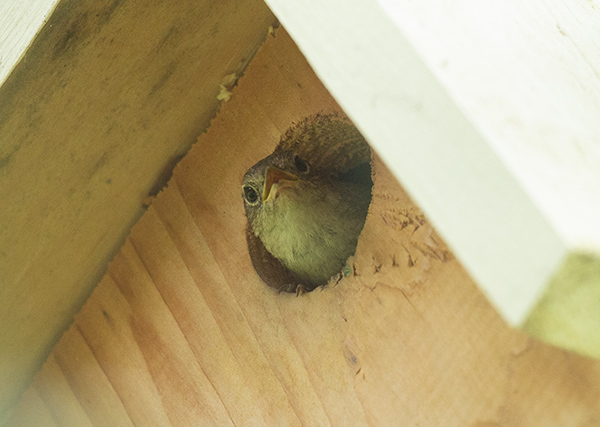
All I know, for certain, is that the nestlings fledged and followed their un-singing parent into other adventures, in other yards.
Adventures that may (or may not) be influenced by a taste for (or aversion of) meal worms.
As always, let me know if you see them.