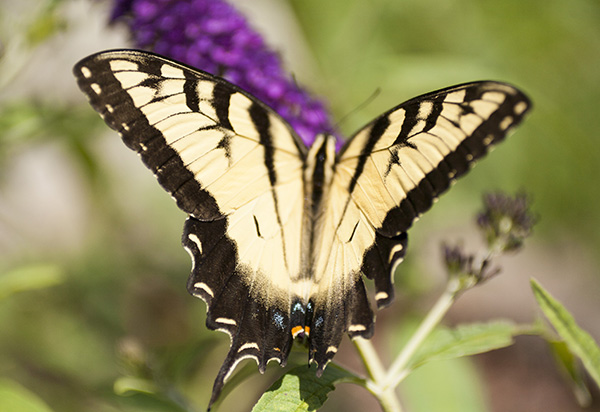
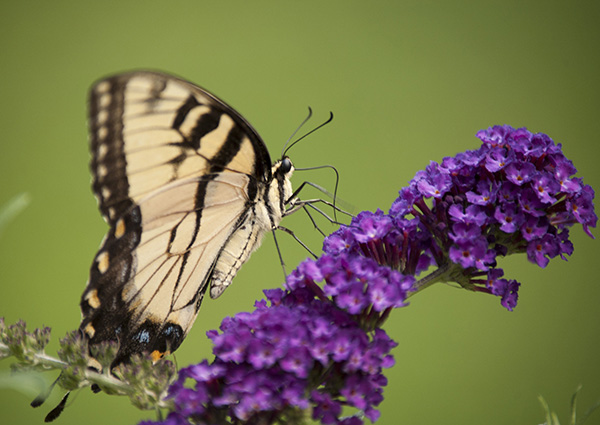
A few weeks ago, this Eastern Tiger Swallowtail was so distracted by nectar that it didn’t object as I crept closer and closer with the macro lens.
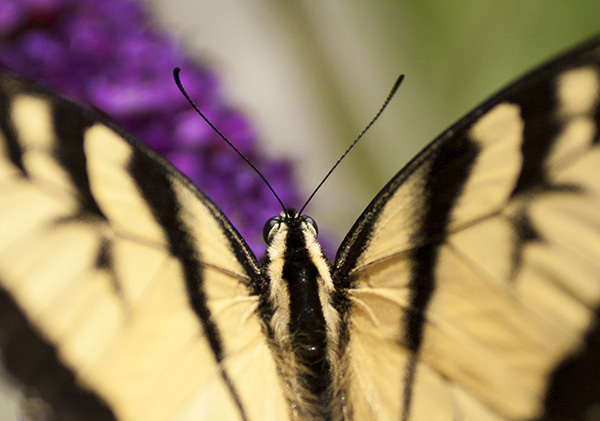
Now my growing butterfly addiction wants me to add Tiger Swallowtail host plants to the yard.
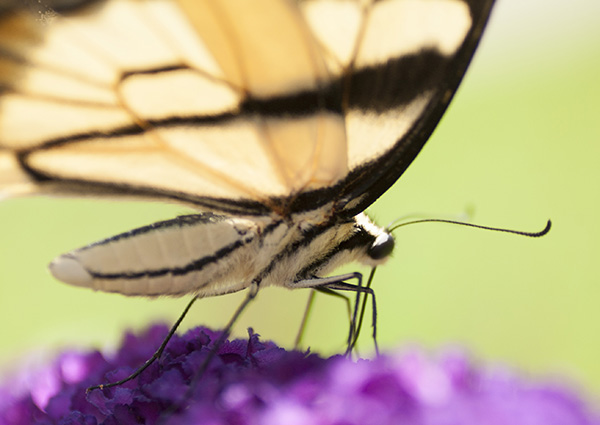
A few weeks ago, this Eastern Tiger Swallowtail was so distracted by nectar that it didn’t object as I crept closer and closer with the macro lens.
Now my growing butterfly addiction wants me to add Tiger Swallowtail host plants to the yard.

After last summer’s monarch success, I was eager to attract more butterflies to the yard. My sister-in-law frequently sees Black Swallowtail caterpillars on the dill she grows in her garden, so I planted a basket of dill this spring. A bit of online research convinced me to plant fennel and parsley, too.

Soon there were eggs.

Then there were caterpillars.


Dozens of caterpillars.


And then the caterpillars began disappearing.
The yard has many caterpillar predators, but I suspect the house wrens were responsible for most of the swallowtail disappearances. I don’t believe any of summer’s early caterpillars survived, though new eggs constantly dotted the parsley leaves.

In late June, the caterpillars molted through four instar stages before the predators found them.


One evening I counted twenty-one caterpillars on the parsley. The next morning, all but one were gone. I spent half the day arguing with myself, debating the wisdom of interfering with the yard’s processes. (Past experience has taught me that nothing ever goes as planned. Complications arise.)
When the final parsley caterpillar disappeared shortly after noon, I caved. I dug out an old butterfly tent I had purchased on impulse several years ago and moved eleven caterpillars from the fennel and dill into the tent, adding “feed the caterpillars” to my daily routine.


They seemed content with the new arrangement, and proceeded to eat every morsel of the remaining parsley, fennel, and dill. When I had nothing left to feed them, I made a return trip to the garden store.

(At this point, the part of me that had argued against adopting the caterpillars said “I told you so.”)

Thirty dollars later, the caterpillars were eating again. There were twelve hungry mouths now, because one of the new fennel plants came with a new caterpillar.

And the new parsley came with a chrysalis hidden deep within its stems, raising my possible butterfly count to thirteen.

As any fan of The Hobbit knows, thirteen is not a happy number. So I wasn’t surprised when two of my adopted caterpillars died of unknown causes during the following days. But those deaths seemed as if they might be the end of my swallowtail setbacks, because the other ten caterpillars gorged until they were ready for their final molts.

One-by-one they stopped eating and began roaming, exploring every inch of the tent. I couldn’t tell if they chose certain spots, or if they simply crawled until they were too tired to crawl any more. Whichever was the case, when they finally stopped, they belted themselves in place with a strand of silk and relaxed into waiting poses.

And then they molted one last time.
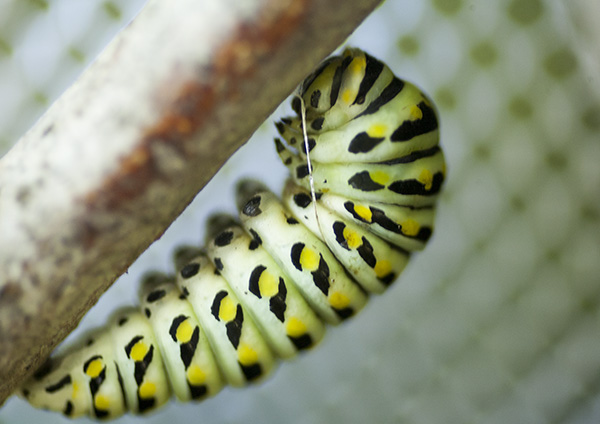
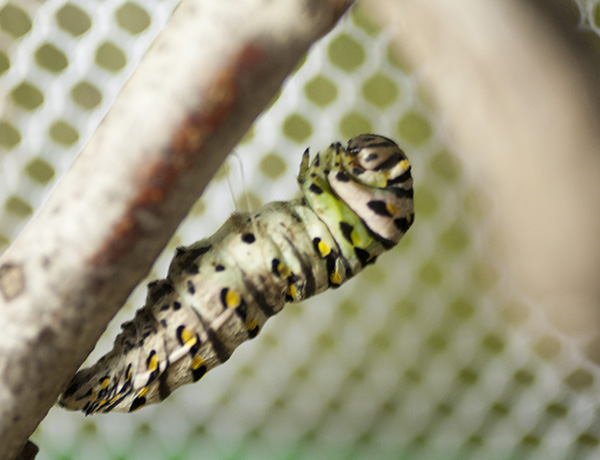


Some of them made brown chrysalises, but most were green.


Before my ten caterpillars finished molting, the chrysalis hidden in the parsley opened unexpectedly. When we released the butterfly, it flew away too fast for photos.
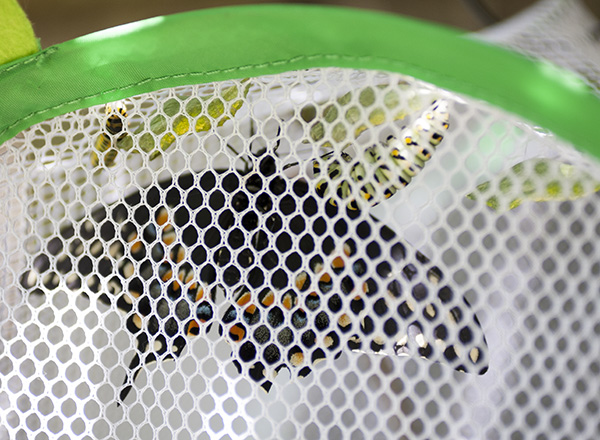
Two days later I woke to find that something had torn a hole in the tent, during the night, and destroyed four of the chrysalises.

(The part of me that had argued against adopting the caterpillars might have muttered “I told you so” as I surveyed the damage.)

Still determined to see butterflies, I took the tent apart and fashioned a new, stronger butterfly habitat out of a plastic storage container. Then the six remaining chrysalises began spending their days outside and their nights in the garage.


Today the first chrysalis opened, and the first butterfly emerged.
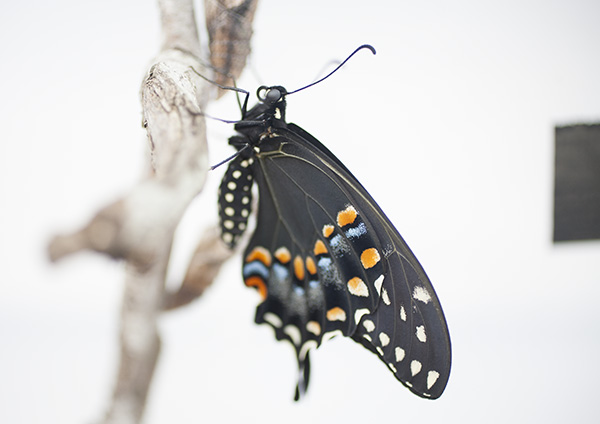
As I watched her fly away in search of nectar, the part of me that had argued in favor of adopting the caterpillars said, “I told you so.”

Next week, after all of my butterflies have flown away, I’ll adopt some of the new caterpillars that have recently hatched on the parsley, and I’ll start all over again.
Summer has filled the yard with flying insects.
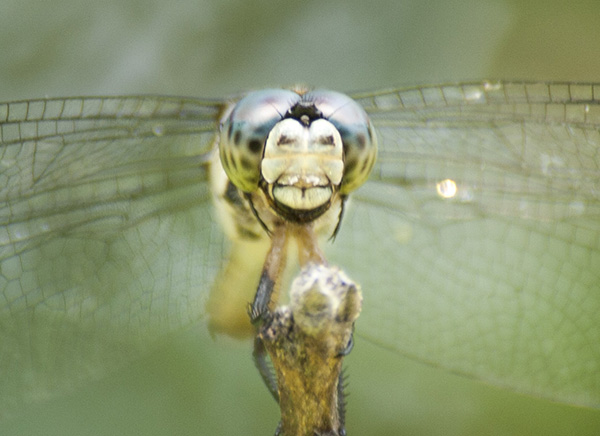
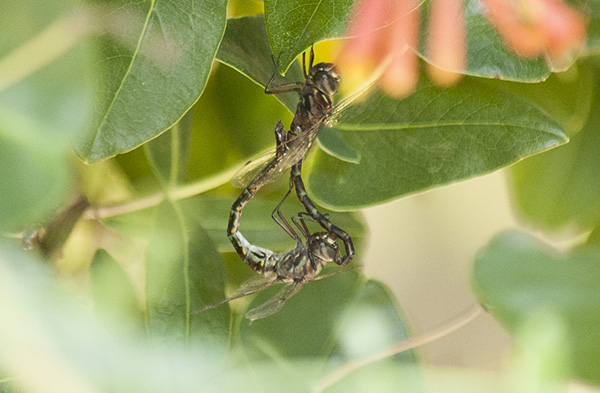
I don’t care for the sudden swarms of biting flies and mosquitoes, but the dragonflies seem happy. They hunt ravenously from dawn to dusk, eating everything they can catch–including flies and mosquitoes.
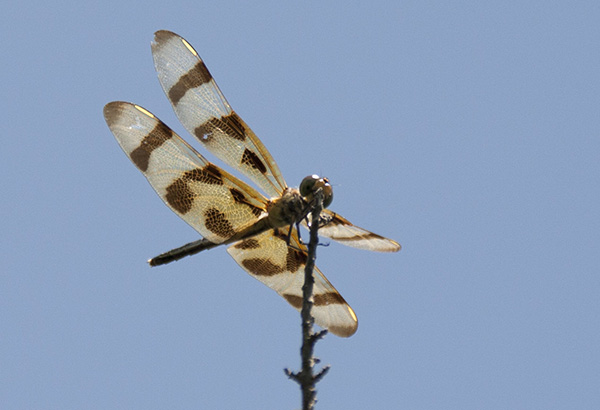
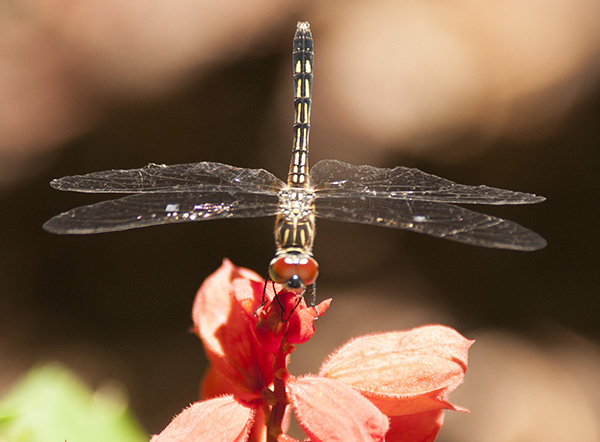
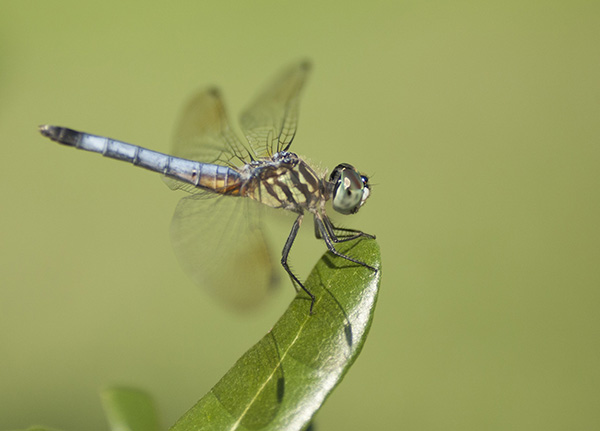
(Of course, they pause every so often to mate.)
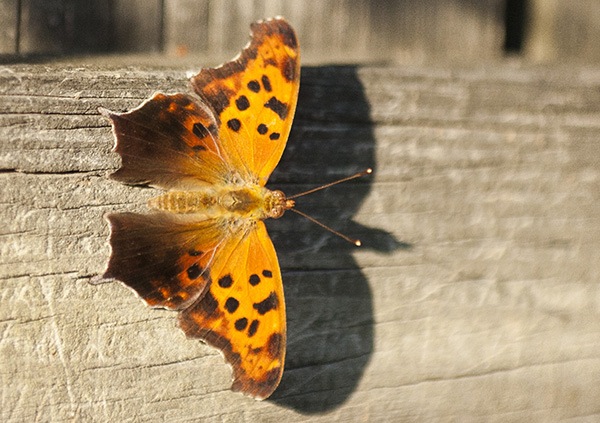
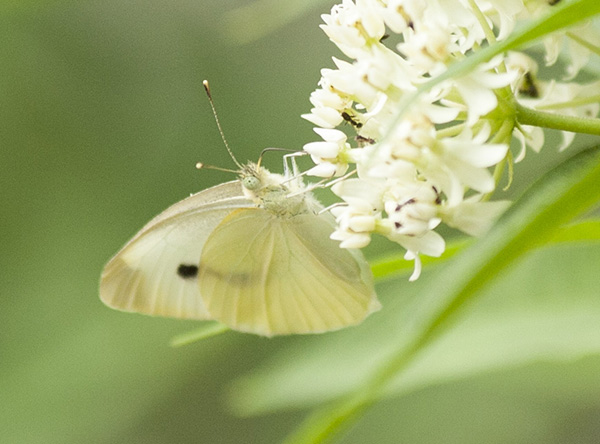
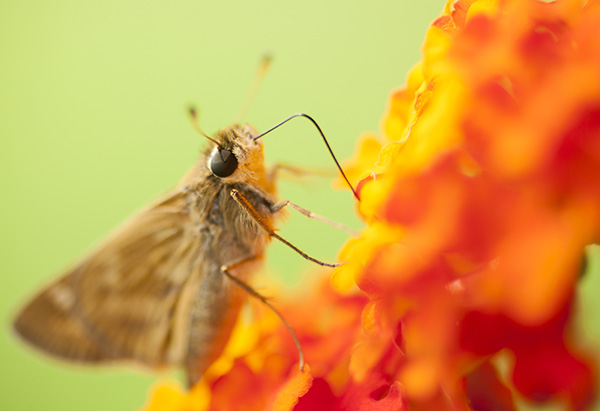
Butterflies aren’t as numerous as dragonflies, but the butterfly bush, milkweed, and lantana draw a surprising variety of species.
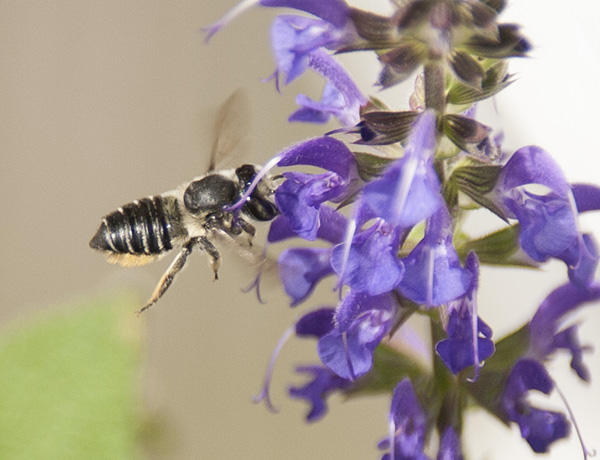
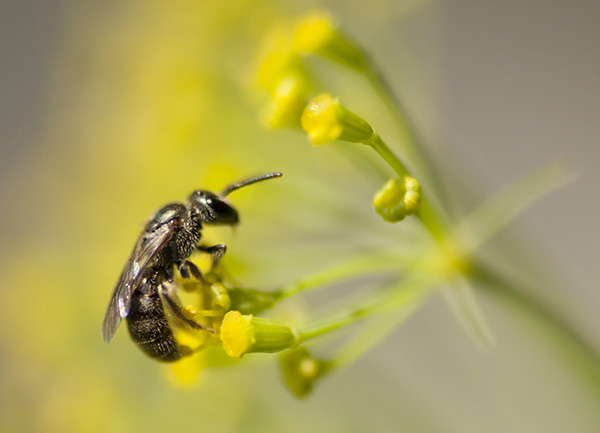
Bees are more interested in the salvia and dill.
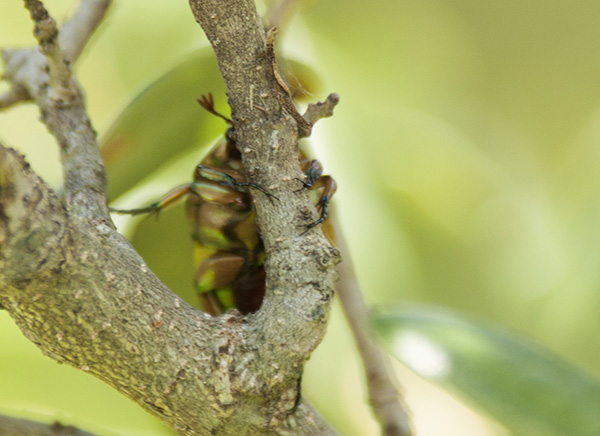
And the June bugs seem strangely attracted to Treebeard, our young live oak tree.
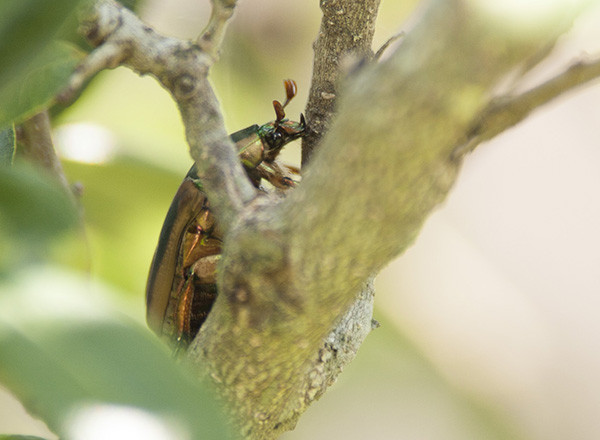
All in all, it’s been a good summer in the yard. So far. (Though if it gets much itchier, I may end up spending the rest of July and much of August hiding in the house.)
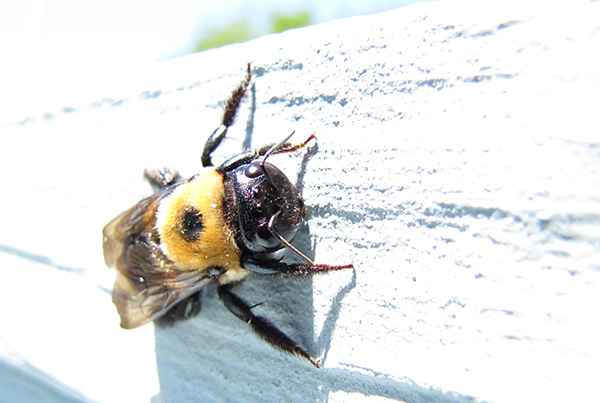
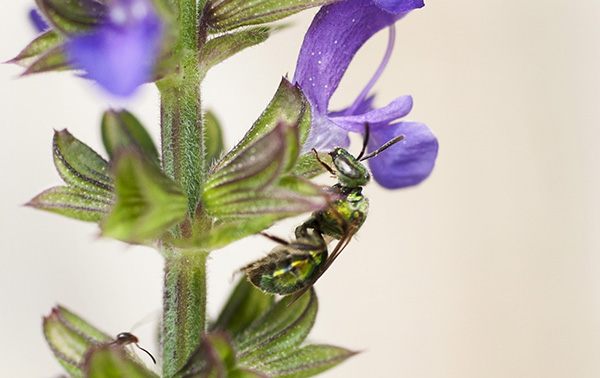
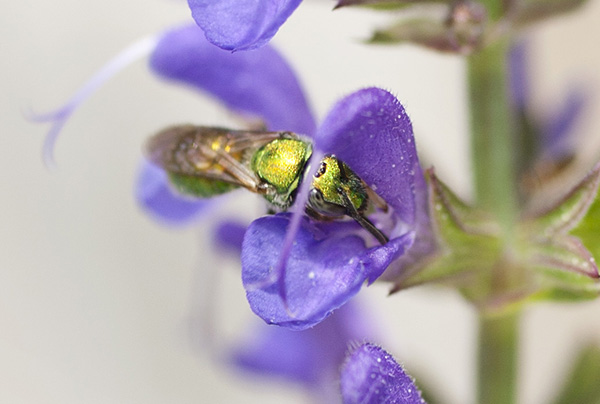
This summer’s butterfly shortage is not reflected in the yard’s bee activity. Early in May carpenter bees began arriving, followed quickly by mixed swarms of bumble bees, mason bees, mining bees, and sweat bees.
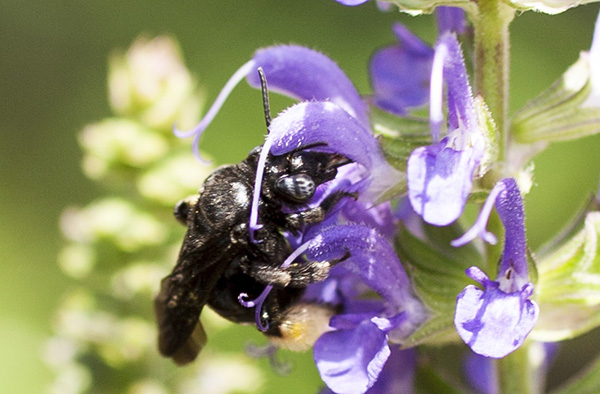
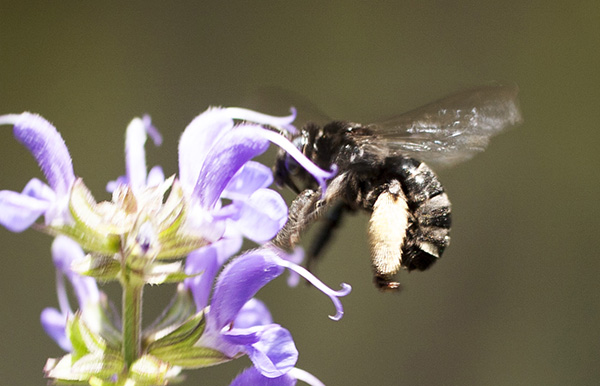
At first I tried to identify the bees in my photos, but my limited taxonomy skills were no match for the maze of overlapping body sizes, varying wing-vein patterns, and individual nesting strategies. (This article from National Geographic discusses, in part, the difficulties of bee identification.) Now I’m content to file all of my bee photos in a single “bee” folder, organized by date.
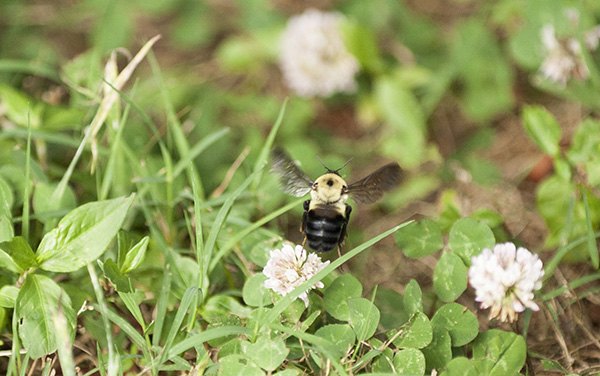
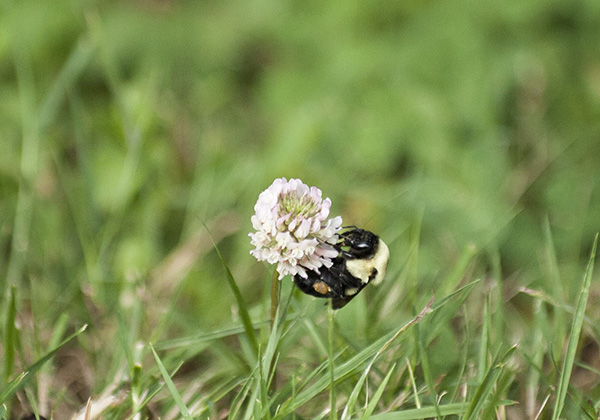
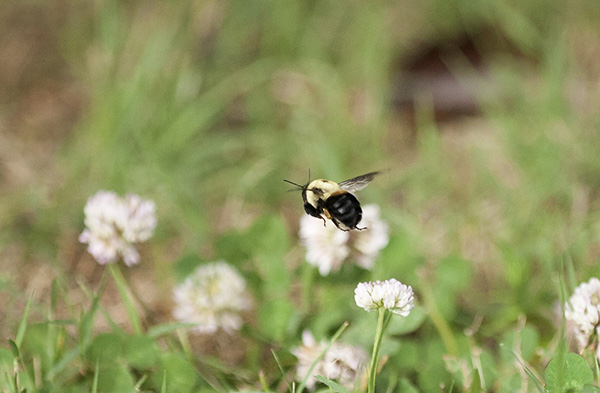
None of the yard’s bees seem to mind being photographed, even from very close range. I’ve spent hours, this summer, crawling through patches of clover and kneeling beside the flower beds.
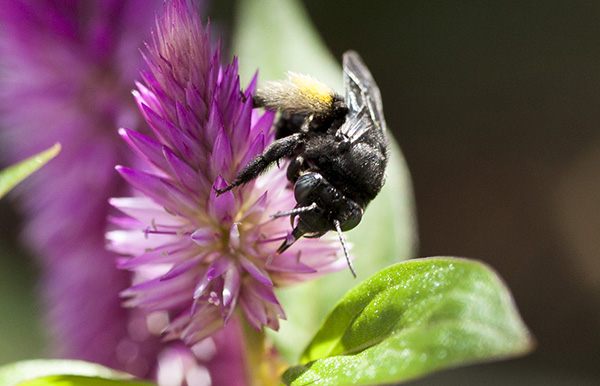
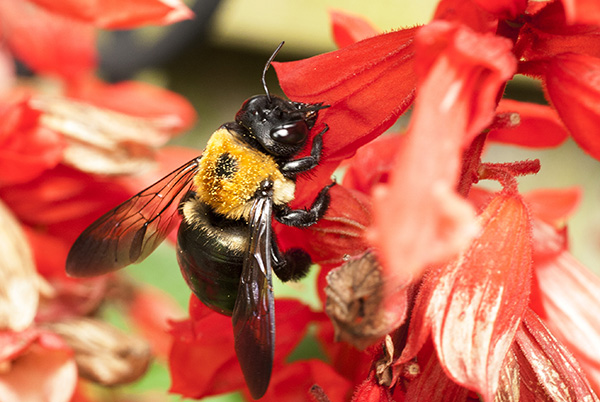
In all those hours I haven’t seen a single honeybee, which isn’t too surprising given the current crisis of Colony Collapse Disorder. Beekeepers have experienced devastating losses as their hives fail, and the dwindling honeybee population is a potential disaster for parts of the agricultural industry. Pollination is a key step between flower and fruit, between planting and harvesting. For some of our favorite fruits and vegetables, an orchard or field with active bee pollination produces increased quality (and quantity) at harvest. Take away the bees and the harvest suffers.
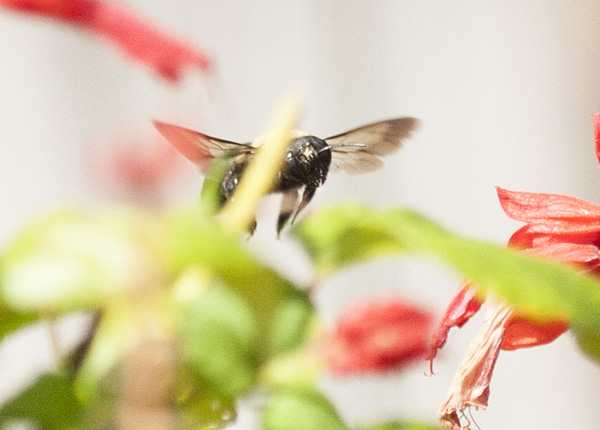
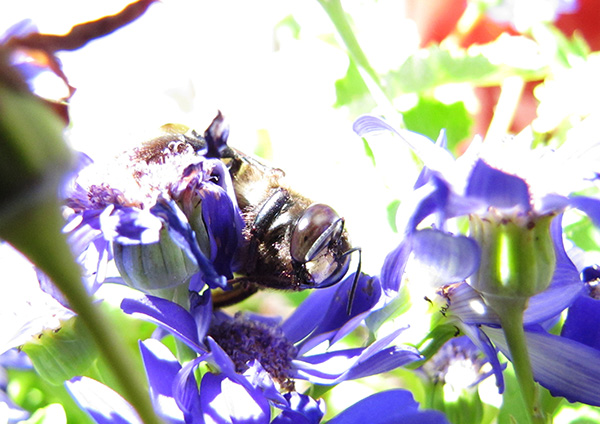
Fortunately, research indicates that solitary bees and bumble bees are excellent pollinators, especially when they share territories. (This blog post at Charismatic Minifauna offers a summary of research findings in blueberry crops. And a few miles from the yard, researchers are following strawberry crops pollinated by mason bees.)

In the past, I’ve been reluctant to add bee houses to the yard, fearing stings. This summer’s bee hours have quieted that fear, and I’m planning to add at least two bee houses over the winter. These will provide nesting spots for mason bees and leaf-cutter bees, either in pre-drilled blocks of wood or bundles of reeds. (Here’s an article with instructions for building bee houses: Native Bees, Solitary Bees, and Wild Bees: What are they? [PDF].)
Hopefully next summer I’ll spend even more hours crawling through the clover and kneeling beside the flower beds…

It’s been a slow year for butterflies in the yard. (And in other yards, as noted in the comments section on this recent post.) There were no butterflies at all in May, and in June the only visitors were a few skittish Gray Hairstreaks. They took brief sips from the hydrangea, then flew away in search of better nectar.
As July grew hotter and hotter, I caught glimpses of larger butterflies fluttering high overhead, but they never stopped in the yard. Our new butterfly bush bloomed in vain, and the praying mantis lurking among its branches eventually moved into the nearby irises.

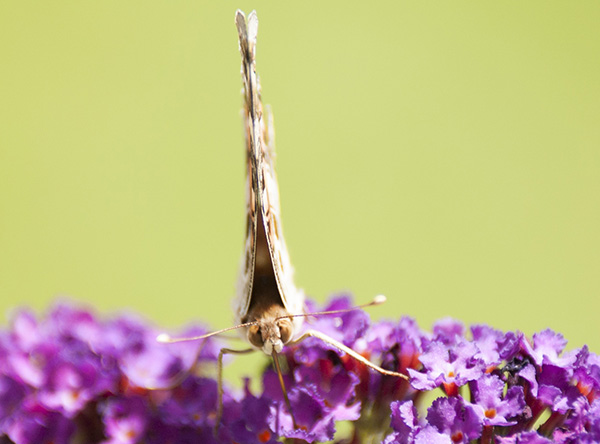
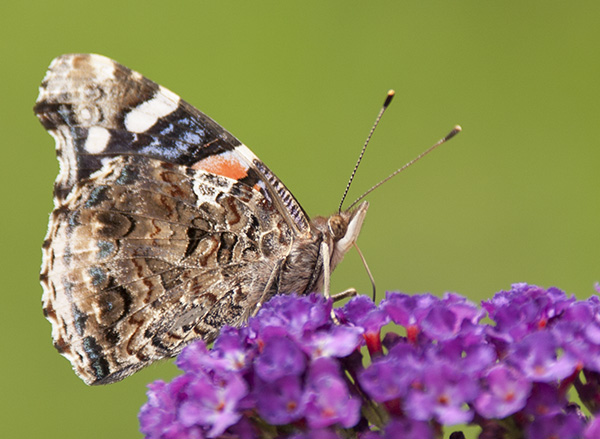
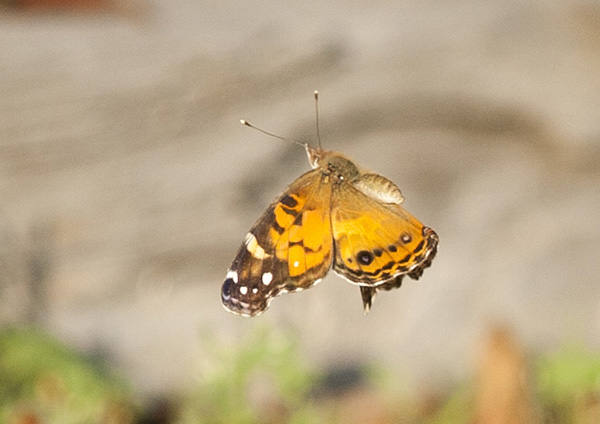
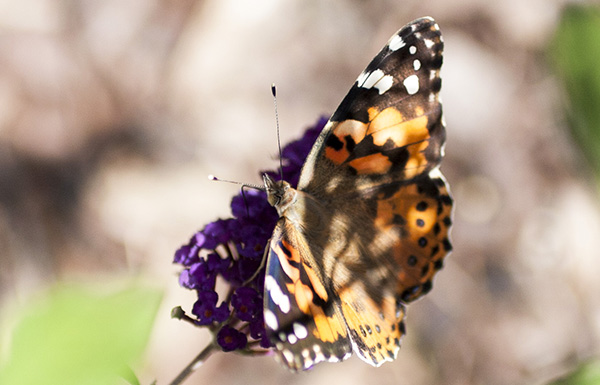
Finally, late in July, I spotted a Painted Lady.

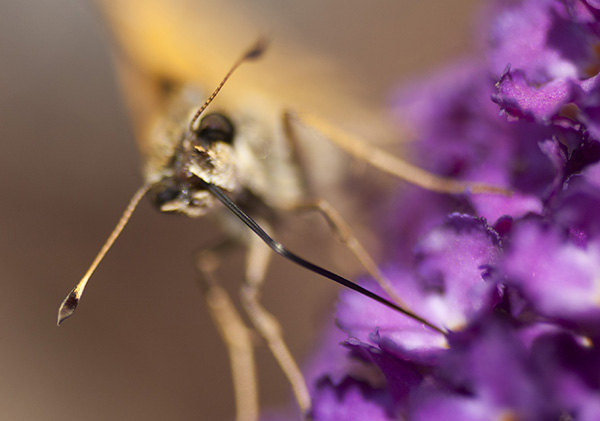
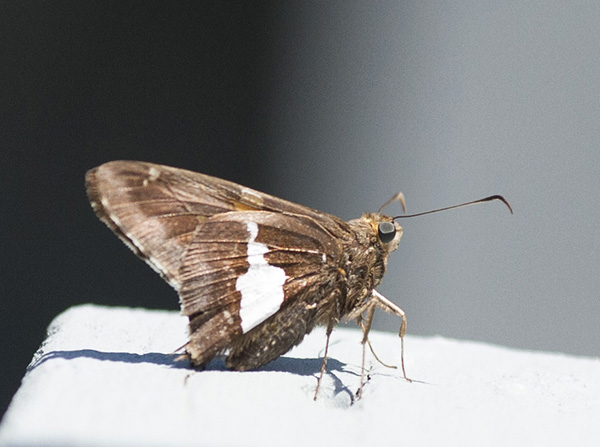
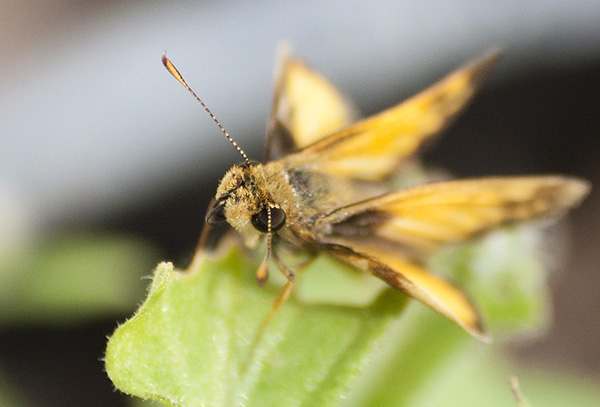
A skipper arrived the same day, the first of an unexpected abundance of skippers. In past years these small butterflies were rare in the yard, but they seem to find the butterfly bush irresistible. Now I see them almost daily.

I haven’t been able to identify any of the skippers in my photos. The closest I can get is to say they all fall into the sub-group of “closed wing skippers.” As always, please comment if you can confirm or correct my identifications!


The only other butterfly I’ve seen in the yard was a faded, torn Common Buckeye. I wondered if its wing damage indicated long, perilous journeys or a single stormy event…

While each new visitor is a hopeful sign, I’m puzzled by the conspicuous absence of Commas and Question Marks, Red Admirals, Viceroys, sulfurs, and swallowtails. Others are puzzled, too. A short internet search found several articles detailing decreased sightings of butterflies in eastern North Carolina and Virginia:
Most sources blame the long, cold winter and associated rain, and some cite additional factors such as habitat loss and pesticide use. Whatever the cause, I hope it is temporary. In the world’s Field Guide to Small Joys, butterflies fill a uniquely delightful chapter.
 Rae Spencer