Yearning for Butterflies

Butterfly June 18

It’s been a slow year for butterflies in the yard. (And in other yards, as noted in the comments section on this recent post.) There were no butterflies at all in May, and in June the only visitors were a few skittish Gray Hairstreaks. They took brief sips from the hydrangea, then flew away in search of better nectar.

As July grew hotter and hotter, I caught glimpses of larger butterflies fluttering high overhead, but they never stopped in the yard. Our new butterfly bush bloomed in vain, and the praying mantis lurking among its branches eventually moved into the nearby irises.

Praying Mantis July 28

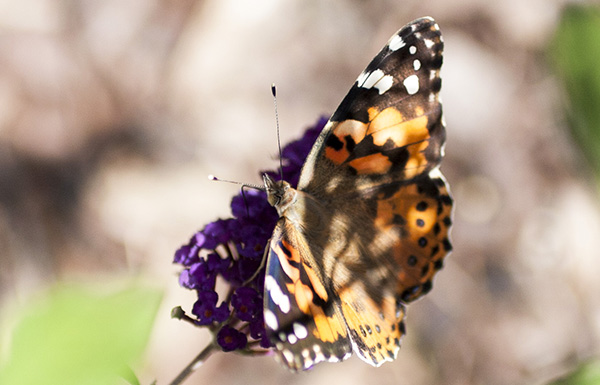
Finally, late in July, I spotted a Painted Lady.

Butterfly July 25

Butterfly July 25

A skipper arrived the same day, the first of an unexpected abundance of skippers. In past years these small butterflies were rare in the yard, but they seem to find the butterfly bush irresistible. Now I see them almost daily.

Butterfly Two July 25

I haven’t been able to identify any of the skippers in my photos. The closest I can get is to say they all fall into the sub-group of “closed wing skippers.”  As always, please comment if you can confirm or correct my identifications!
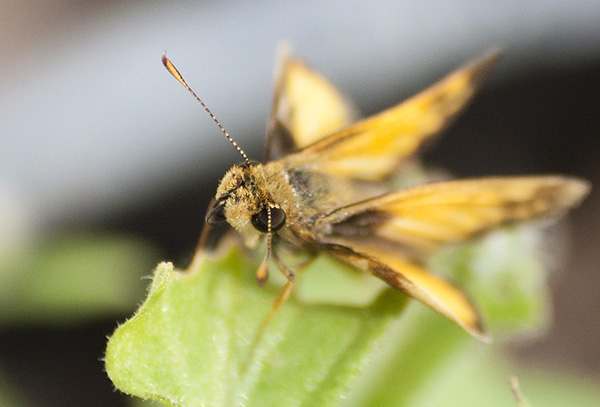
Butterfly Aug 10

Butterfly Aug 10

Butterfly Aug 11

The only other butterfly I’ve seen in the yard was a faded, torn Common Buckeye. I wondered if its wing damage indicated long, perilous journeys or a single stormy event…

Butterfly July 28

While each new visitor is a hopeful sign, I’m puzzled by the conspicuous absence of Commas and Question MarksRed Admirals, Viceroys, sulfurs, and swallowtails. Others are puzzled, too. A short internet search found several articles detailing decreased sightings of butterflies in eastern North Carolina and Virginia:

Most sources blame the long, cold winter and associated rain, and some cite additional factors such as habitat loss and pesticide use. Whatever the cause, I hope it is temporary. In the world’s Field Guide to Small Joys, butterflies fill a uniquely delightful chapter.
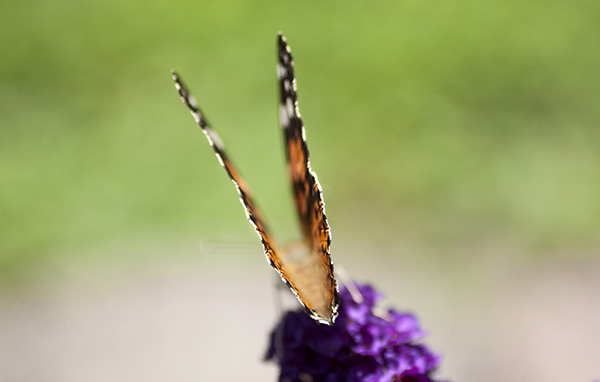
Butterfly July 25

Hummingbird Happenings

Hummingbird July 29

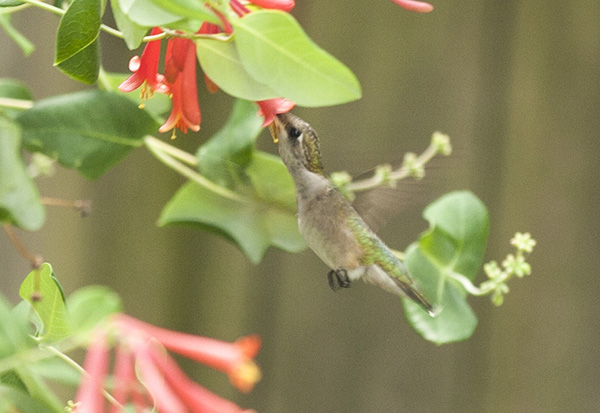
In May, the yard’s hummingbird hopes suffered a setback when a family of house finches plucked the honeysuckle’s early blooms.

Hummingbird July 27

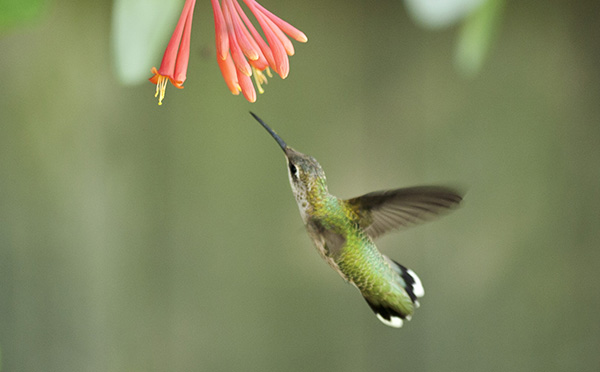
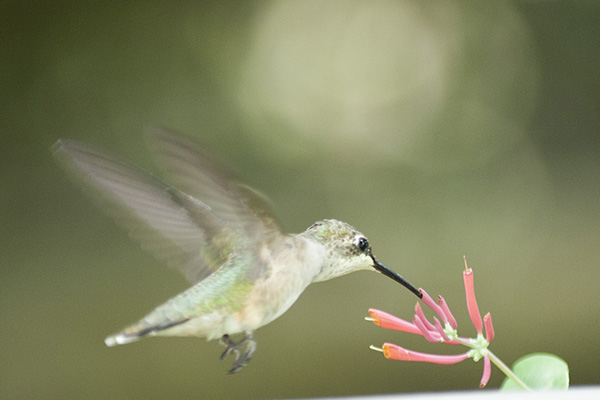
But the honeysuckle recovered quickly, and by the end of June there were enough blooms to attract renewed attention.

Hummingbird July 23

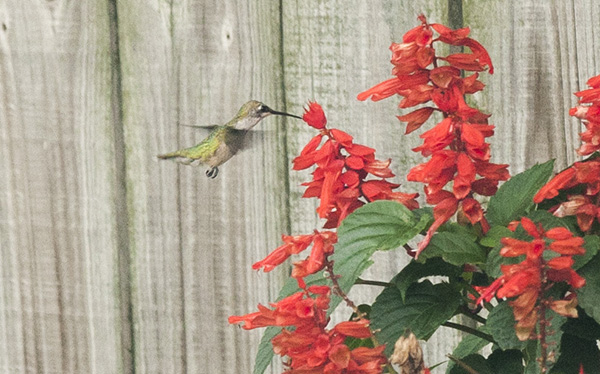
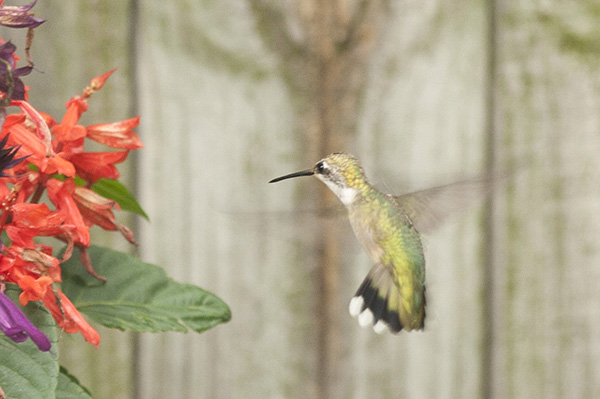
The salvia also bloomed steadily through June and July, adding a second source of nectar.

Hummingbird July 27

Hummingbird July 27

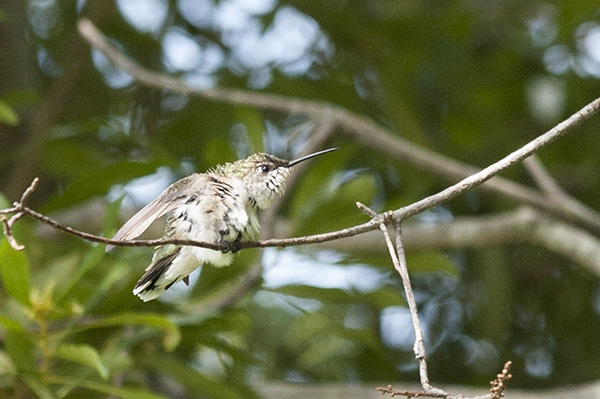
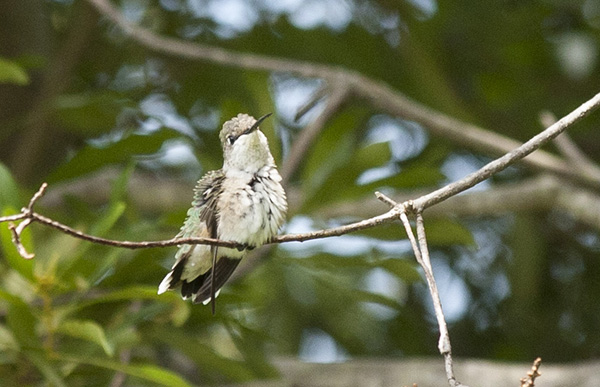
Now I see hummingbirds daily. They zip through the yard at reasonably predictable intervals, one or two an hour, and I occasionally find them resting high in the wax myrtle.

Hummingbird July 27

If I stretch the camera’s zoom to its limit, I am able to catch several frames before they become suspicious of my fixed attention and clicking shutter.

Hummingbird July 29

Hummingbird July 29

Hummingbird July 29

When two individuals cross paths, fierce and noisy bouts of aerial combat break out, with both birds squeaking rapidly as they dive and swerve. They are too fast for my camera during these skirmishes.

Hummingbird July 27

For that matter, they are too usually fast while feeding. These photos represent several hours of stalking. (I suspect most of my photos feature a single individual who has established a repetitive feeding pattern.)

Hummingbird July 23

Whether one bird or many, I hope the visits continue. I’m looking forward to a few more months of summer — a few more months of hot, humid afternoons in which to hone my hummingbird reflexes.

Hummingbird July 23


Watering the Robins

Robin May 26

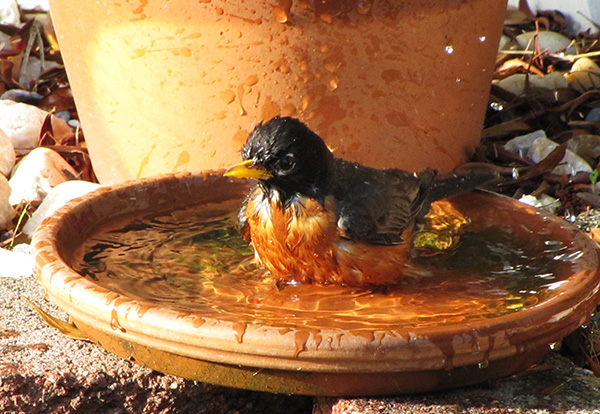
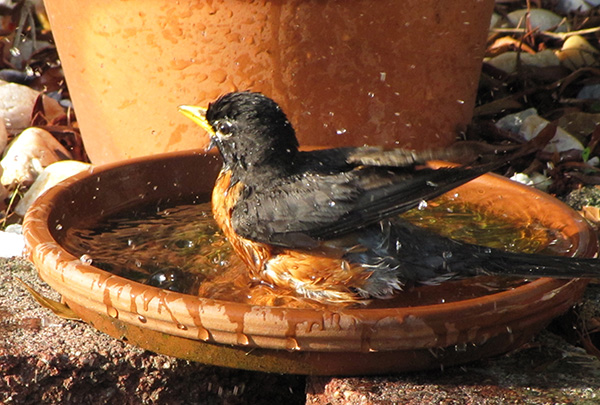
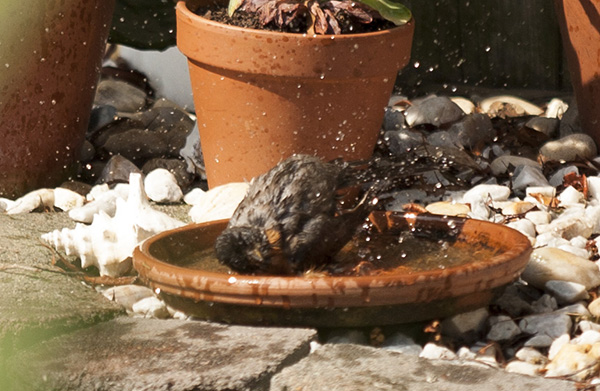
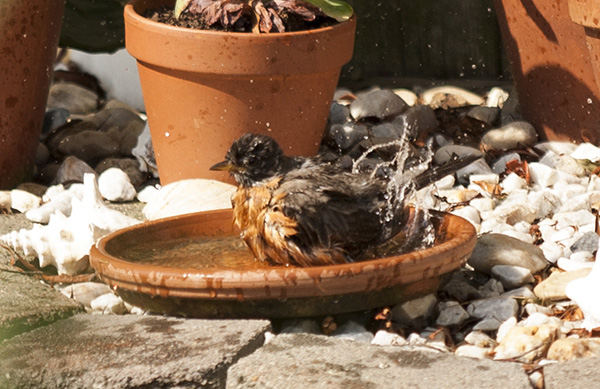
One of the features missing in our yard is a proper bird bath. I frequently pause in front of bird bath displays at home improvement and garden stores, but I always find an excuse to move on without buying. My most recent excuse has to do with our robins, who seem perfectly content to bathe in plant saucers.

Robin May 26

Robin May 26

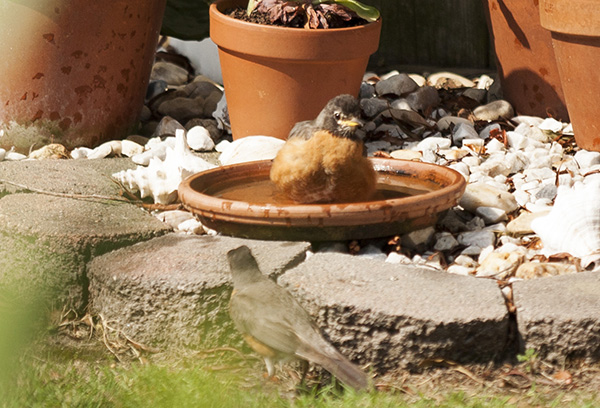
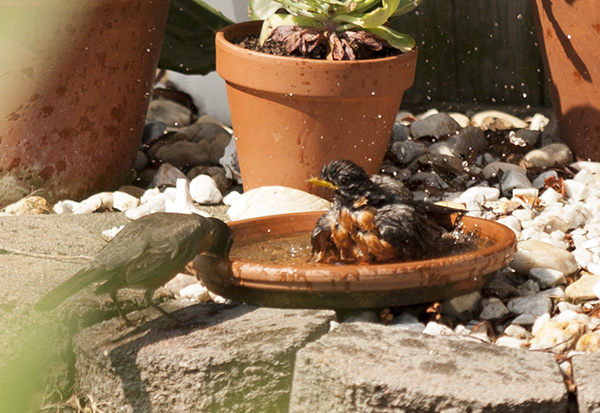
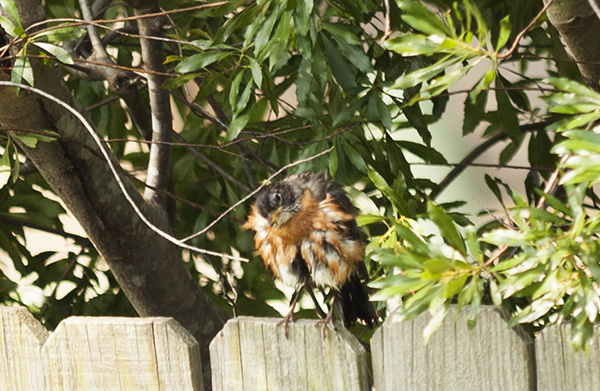
As the summer has gotten hotter, the robins have started following me around the yard while I water the flowers, waiting for me to fill their saucers. Then they line up and take turns splashing about, sometimes returning three or four times before the water level gets too low for splashing.

Robin July 8

The yard’s smaller birds, even the rabbits and squirrels, hang back and wait for the robins to leave before they approach. I’ve tried adding more saucers, but each new saucer only multiplies the number of robins that flock toward our yard when they hear me turn on the hose.

Robin July 8

Robin July 8

Robin July 8

It’s almost enough to make me want a swimming pool, so I could do some splashing of my own.

Robin July 8

Cicadas, Cicada Killers, and Freshly Pressed Gratitude

Cicada Sept 2

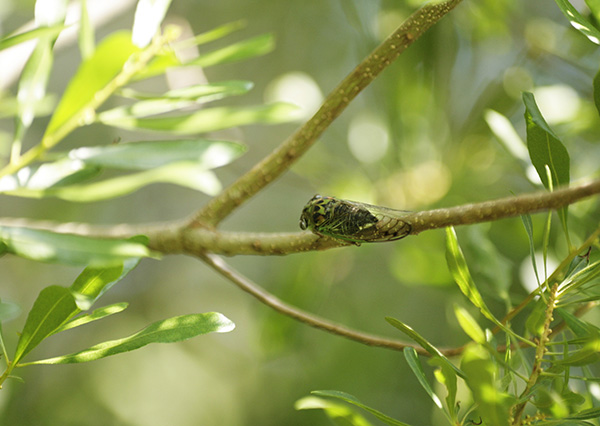
It’s cicada season in the yard. Each night a handful of them emerge from the ground and undergo their final molt.

Cicada August 21

They climb until some secret signal tells them they have climbed high enough, then they wait.

Cicada August 21

The wait must be uncomfortable–squeezed tight in hardening skin, wings constricted, an itchy seam along each tense back. Do they already understand flight? Do they regret leaving the safety of their root-laced tunnels?

Cicada August 21

Or do they simply stretch their new bodies until their old existence ruptures, until their wings straighten and strengthen, until they fling themselves into the dark abyss of the humid night sky.

Cicada August 21

Compared to last year’s numbers, the yard’s cicada population is small this year. Their molts are not accumulating in heaps at the base of the fence or over the roots of our trees. There’s no steady drone of cicada song, only occasional bursts from the wax myrtle.

Cicada Sept 2

Cicada Sept 2

Despite the relatively low number of cicadas, the yard has an unusually high concentration of cicada killer wasps.

Cicada Killer August 15

Here’s a post about these wasps from the Scientific American Blog Network:  A Feast of Cicadas. Our yard doesn’t have as many wasps as are described in the linked post, but I’ve seen more this year than ever before.

Cicada Killer August 15

But, are there actually more wasps than before? Or do I simply notice them more?

Cicada Killer August 15

Moving away from unanswerable questions, here’s a video from last summer:

In a final note, I want to thank the WordPress editors who Freshly Pressed my last post. Also, I want to thank the readers who visited the post, especially those who clicked the “like” button and commented. Each notification e-mail included links to your blogs, and I followed as many as time allowed. I found stories and poems full of laughter, tears, inspiration, and wisdom. I saw marvelous photographs, bookmarked tempting recipes, and added a dozen books to my wish list. It’s been a wonderful experience. Thank you!

Flecked with Gold

Cicada Wing

A cold front swept through the yard this week, carrying a hint of fall. My mood turned slightly melancholy as I rooted in my closet for sleeves and jeans, as flashes of orange and yellow caught my attention.

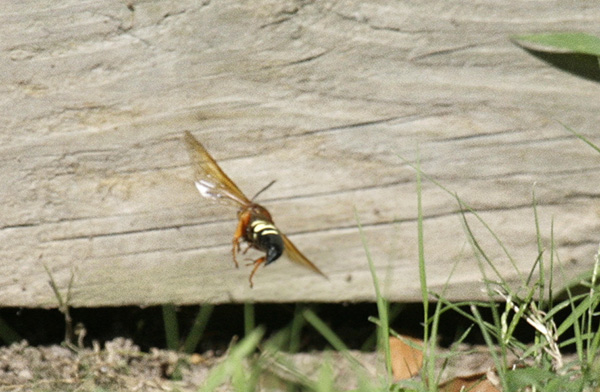
Wasp August 15

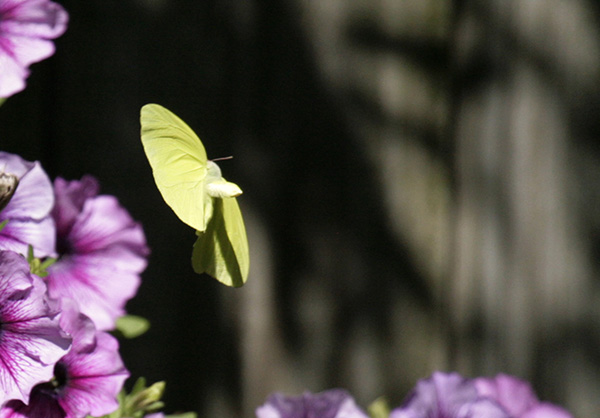
Butterfly August 4

Butterfly August 15

Butterfly August 15

Bumblebee August 16

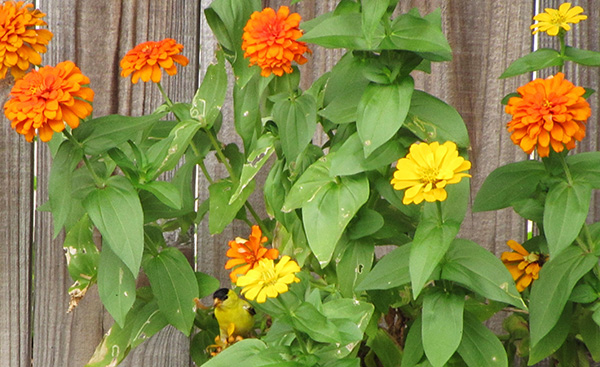
Goldfinch August 16

I’m certain that summer will return next week, as hot and humid as ever. But it’s green cloak is wearing thin, and it’s remaining months will be flecked with gold.
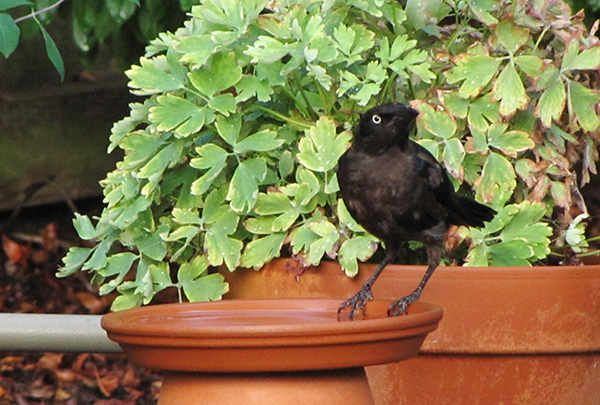
Grackle July 31

Wasp August 15

Green Tree Frog Aug 12