Mississippi Kites Dining on Cicadas (while flying over Virginia Suburbs)

Last summer, during cicada season, I saw my first ever Mississippi Kite(s).

Photo of a Mississippi Kite gliding overhead, passing just over and behind the obscuring branches of our young live oak tree.
A Mississippi Kite entering the yard’s airspace. (July 30, 2025)

(At least, I believe these birds were Mississippi Kites. I’m happy to be corrected, if I’ve mis-identified them. Please comment with confirmations or corrections!)
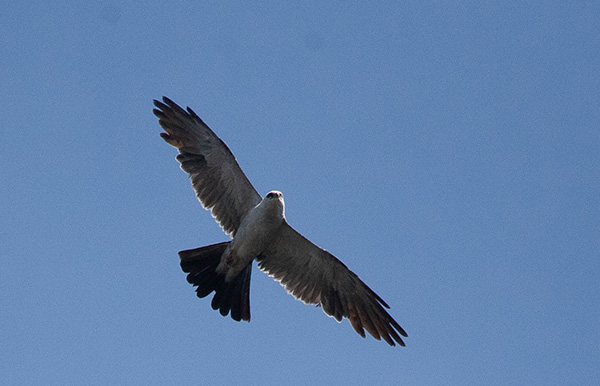
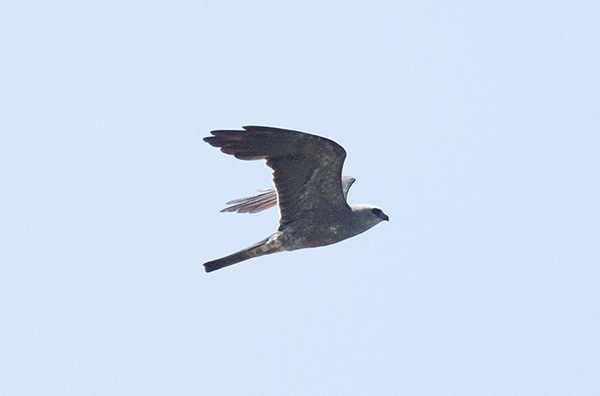
A mid-sized falcon-type bird (a Mississippi Kite) soars overhead, nearly silhouetted against a bright blue sky. The bird's feathers are shades of white and gray. It has long wings with irregular-length primaries, suggestive of some recent molting. The bird's white face has dark, deep-set eyes and a small, sharp beak.
A Mississippi Kite soaring overhead. (August 4, 2025)
Profile photo of a Mississippi Kite soaring overhead, nearly silhouetted against a pale blue sky. The bird's feathers are mottled shades of gray, lightening to white on its face. Its long wings, long blunt tail, and sharp raptor beak are notable in this photo.
Profile view of a Mississippi Kite. (July 24, 2025)

The cicada-season part is important.

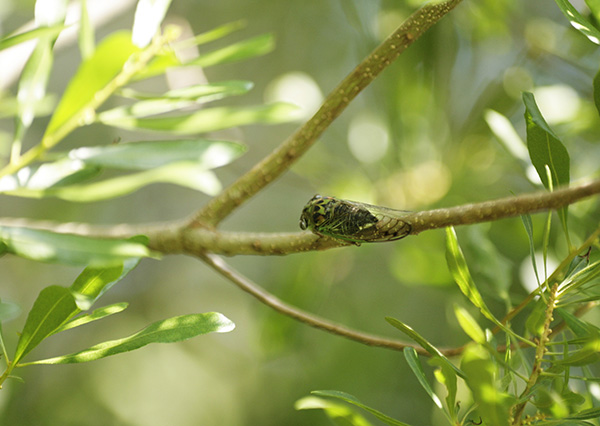
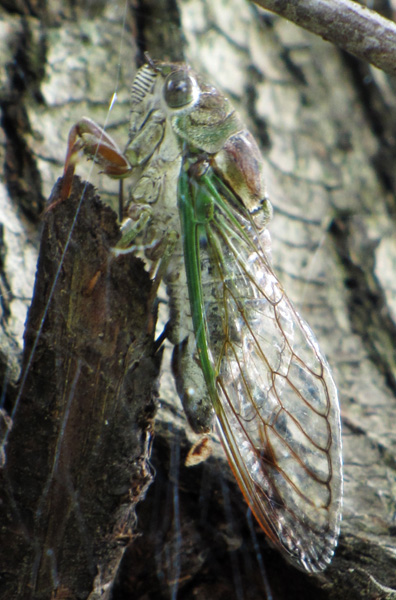
I had been finding cicada wings in the yard with unusual frequency, and the riddle proved easy to solve. The kites were feasting on cicadas, catching and eating their meals mid-flight.
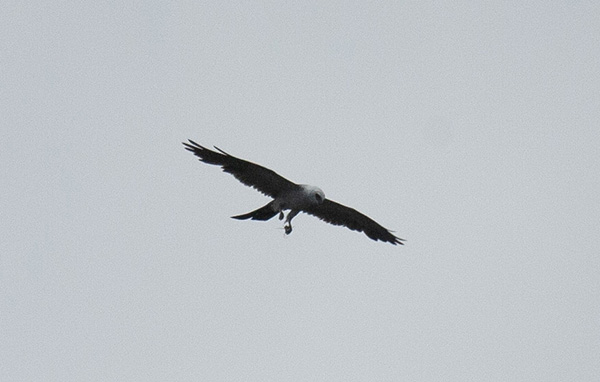
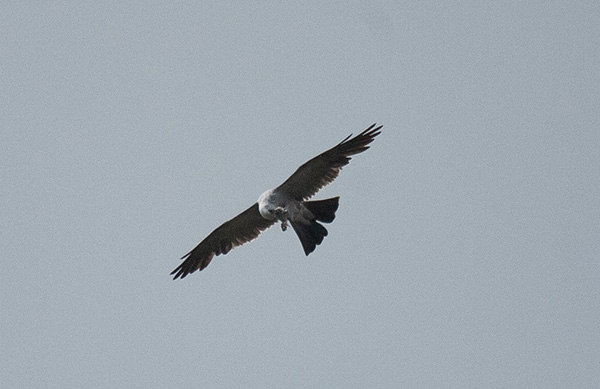
Grainy photo of a Mississippi Kite flying high overhead, grasping a cicada in the claws of its left foot. The bird's head is slightly bent toward its catch, preparing to eat.
Just soaring past with a cicada in its claws. (July 30, 2025)

Eating, but only after removing the wings.
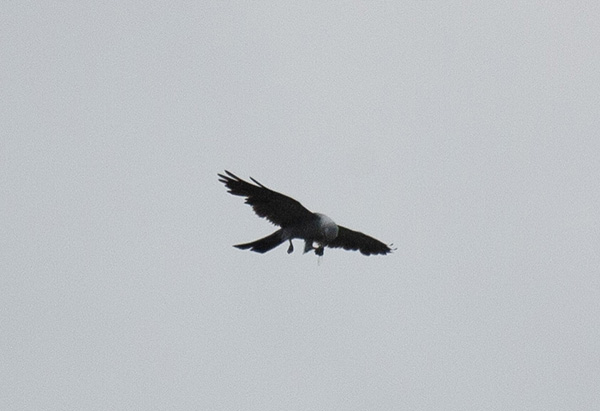
Grainy photo of a Mississippi Kite flying high overhead, grasping a cicada in the claws of its left foot. The bird is reaching down with its head and beak, eating the cicada mid-flight.
Everything but the wings, which got dropped in the yard. (July 30, 2025)
Grainy photo of a Mississippi Kite flying overhead, eating a cicada that is clutched in the claws of its left foot.
Over and over again. Cicada feast, underway. (July 30, 2025)

The kites spent most of their time over a nearby row of pines, circling at tree-top height. I assume the cicadas were thickest there.
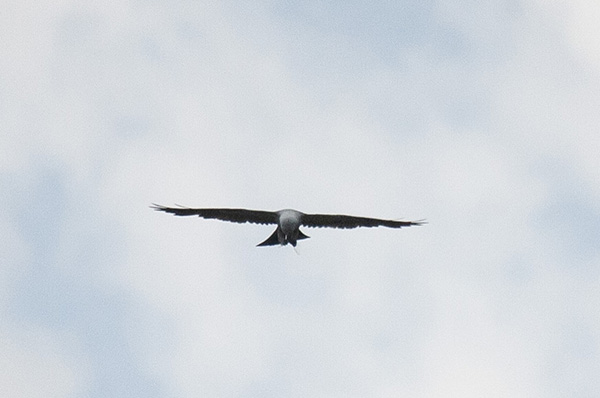
Grainy photo of a Mississippi Kite flying toward the camera. The bird's head is bent as it eats, mid-flight, a cicada that is grasped between its feet.
Another capture, another pair of cicada wings drifting to the ground. (July 30, 2025)

The crows, who favor this same row of pines for different reasons, had more than a few objections.
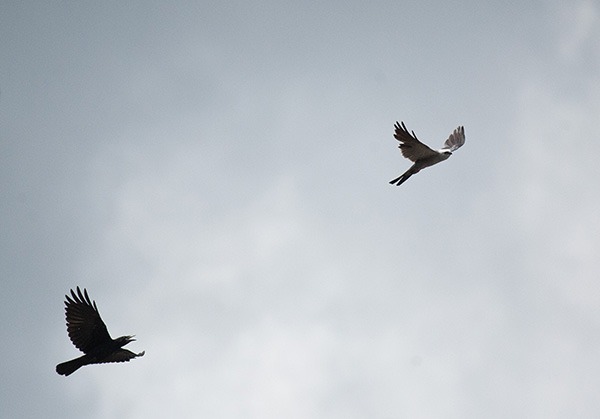
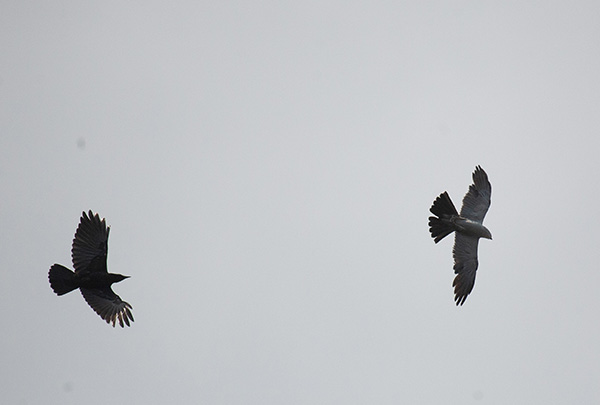
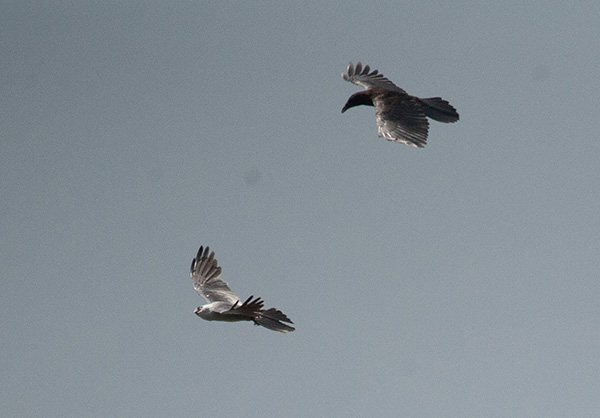
Photo of a crow chasing a Mississippi Kite. The crow is some distance behind the kite and appears larger in the frame than the kite. The crow's wings are fully extended and its beak is open, scolding as it flies. The kite's wings are also fully extended, primaries curved for soaring. The kite's primaries are of irregular length and its tail appears to be missing a feather, signs of recent molting.
The bird version of a grumpy neighbor yelling “get off my lawn!” (July 30, 2025)

I admit that today, as I post these photos, I’m surprised again by the relative sizes of the birds.

I’m accustomed to hawk and falcon visitors who are significantly (or, at least, noticeably) larger than crows. Seeing these crow-sized kites in-frame with the crows themselves, I start questioning my birding skills.
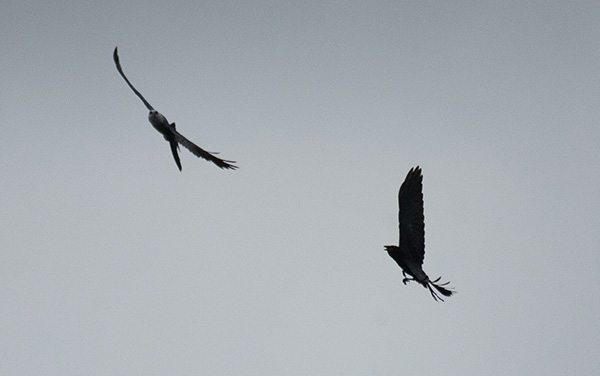
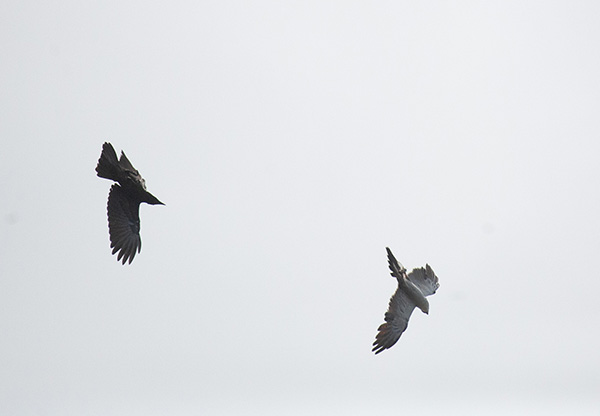
Photo of a crow flying toward a Mississippi Kite that is soaring overhead. The crow's mouth is open, scolding, and its feet are curling forward, as if readying to yank a few feathers.
Pursuit mode, engaged. (July 30, 2025)

Do I really know a crow from a raven? (The answer is, not really. I simply live in an area where crows are abundant and ravens are rare.)
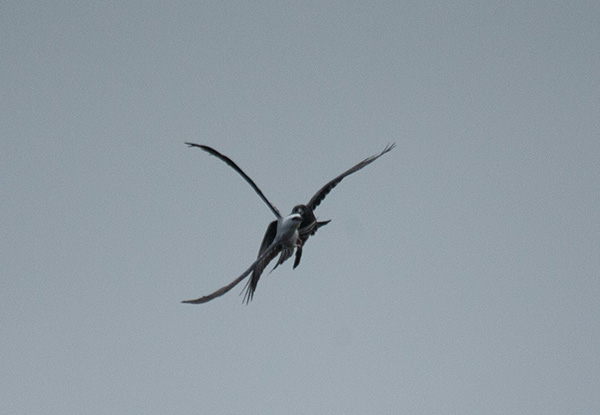
Photo of a crow closing in on a Mississippi Kite, mid-air. The kite's wings are flexed upward, beginning a maneuver to dodge the crow.
Is the crow really larger than the kite? (July 30, 2025)

Do I know a falcon from a hawk? (Sadly, also no. But I’m working on it.)
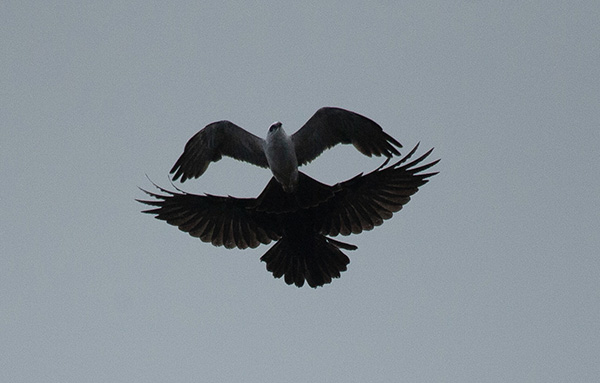
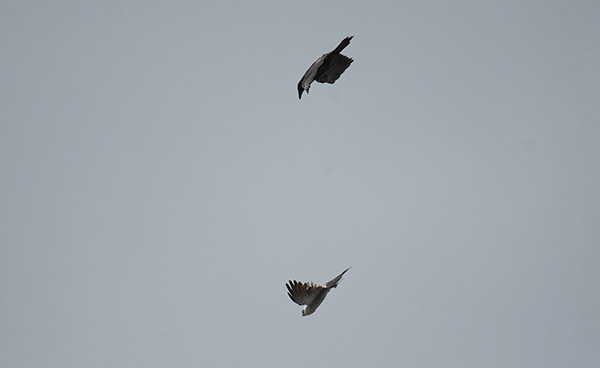
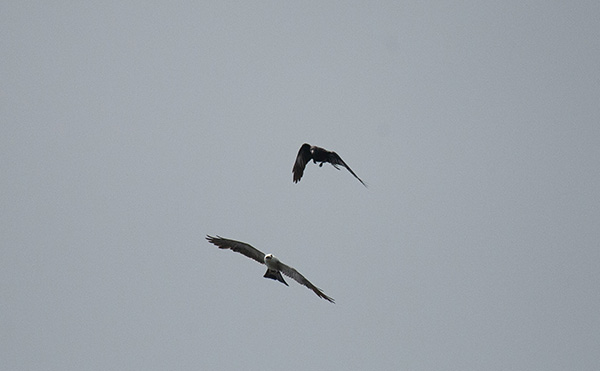
Photo of a crow dropping toward a Mississippi Kite as both fly overhead, nearly silhouetted against a dark gray sky. The crow is above and behind the kite, and appears to be slightly larger than the kite—partly because the crows wings are fully extended, feathers spread, while the kite's wings are slightly tucked for maneuverability. The two birds' silhouettes are overlapping and merged, in this photo, due to close proximity and poor lighting.
These photos definitely suggest that the crow is larger than the kite. (July 30, 2025)

What I do know for certain is that the kites were faster in flight than the crows, and quicker in a turn. The wing-tip acrobatics were astonishing.
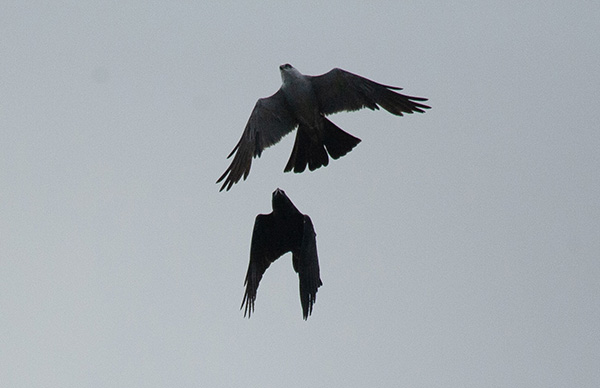
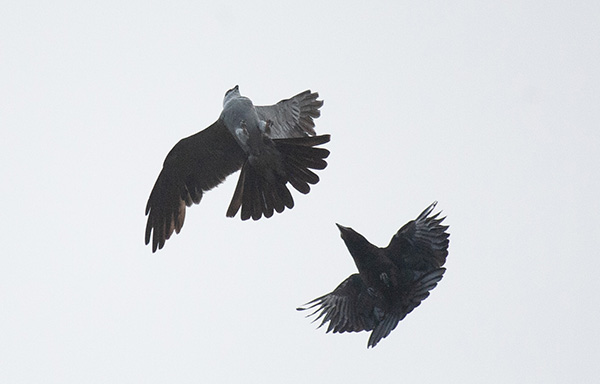
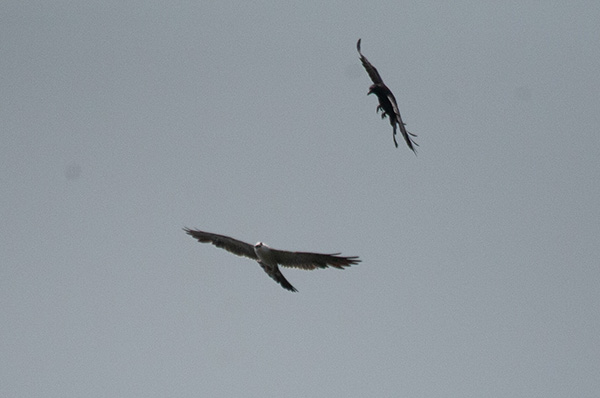
Photo of a crow approaching a Mississippi Kite, mid-air. The crow is closing in from behind and above the kite, while the kite appears to be unaware of the crow's approach.
Looks like the crow has the advantage, here, doesn’t it? Sneaking up in a blind spot and closing fast. (July 30, 2025)
Photo of a Mississippi Kite dodging a crow, mid-air. The kite's wings and tail feathers are angled for braking and climbing, while the crow's body position suggests a full-stop braking maneuver.
Nope. (July 30, 2025)
Photo of a crow chasing a Mississippi Kite against the background of a cloudy gray sky. The mid-air pursuit is climbing and banking slightly, both birds turning away from the camera.
Never…
Photo of a crow chasing a Mississippi Kite into a steep climb. The kite is looking up and sideways, preparing for a tight banking maneuver, while carrying a cicada clutched in its claws.
had…
Photo of a crow chasing a Mississippi Kite through a mid-air bank-and-loop maneuver. The kite has a cicada clutched in its claws.
a…
Photo of a Mississippi Kite evading a crow after a mid-air bank-and-roll maneuver. The kite has a cicada clutched in its claws.
chance. (July 30, 2025)
Photo of a Mississippi Kite evading a crow after a mid-air chase. The kite's head is swiveled around, eyeing the crow.
Not only did the kite fly literal circles around the crow…
Photo of a Mississippi Kite flying away from a crow after a mid-air chase.
It held on to its cicada through the entire chase, then ate in front of the crow once it had gained enough distance.
Photo of a Mississippi Kite gaining distance on a crow after a mid-air chase.
Ready to circle back for more cicadas, while the crow was running short on fuel. (July 30, 2025)

The air show lasted about a week, a daily spectacle of cicada-wing-rain and crow chaos.

I did wonder, occasionally, if the crows had designs on stealing the kites’ catches. It seemed unlikely, as I never saw any of the kites drop any of their cicadas. I suspect the crows were simply territorial, guarding flock-mates and resting spots against invaders that were all-too-clearly birds of prey.
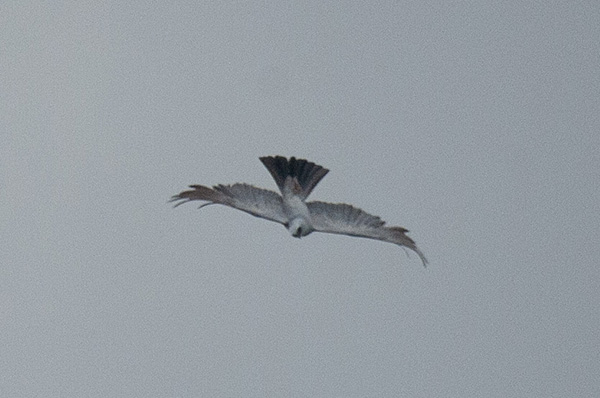
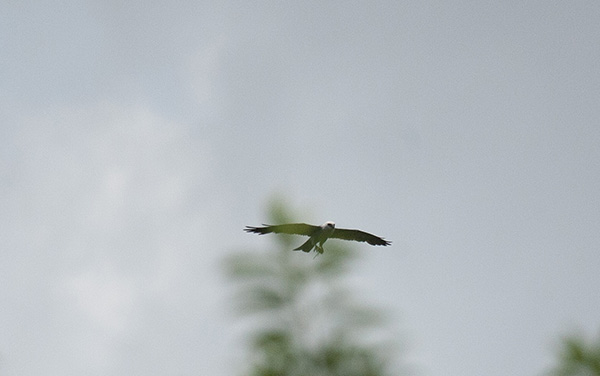
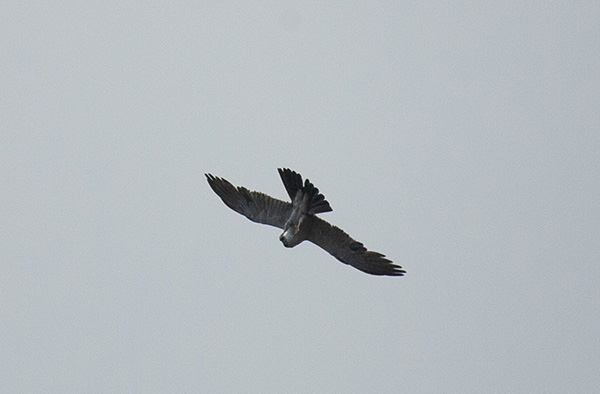
Grainy photo of a Mississippi Kite captured mid-dive. The bird is facing directly ground-ward, its head angled to one side as it hunts cicadas.
The light wasn’t great, on the 30th, and my camera skills were not up to the task. I ended up with a lot of grainy near-misses. (July 30, 2025)
Photo of a Mississippi Kite flying overhead, clutching a cicada between its feet. The bird's silhouette is partially obscured by the blurry branches of a neighborhood tree.
Partially blocked by branches, but you can still see the cicada. (July 30, 2025)
Photo of a Mississippi Kite soaring overhead while dining on a cicada. The bird has stretched one foot forward, clutching the cicada in its claws, and curved its head down to reach the meal with its beak.
The cicadas must have been extra perfect, because the kites mostly ignored all of the crow commotion. (July 30, 2025)
Photo of a Mississippi Kite banking into a turn while dining on a cicada, mid-flight. The bird has stretched one foot forward, holding the cicada clutched in its claws, and curved its head and neck down, reaching for the cicada with its beak.
Just need to get the wings off, then it’s snack time!

By August 1, when the light conditions improved dramatically, the cicada feast had ended. I managed to catch a few fly-over images, but then the kites moved on.
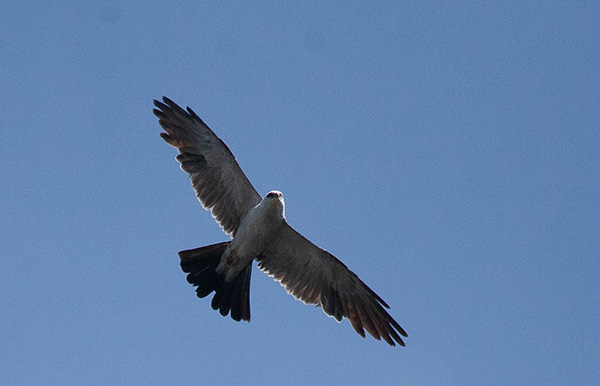
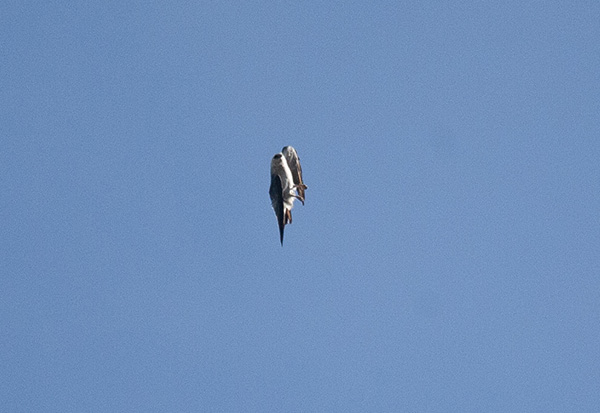
Photo of a Mississippi Kite soaring overhead against a background of bright blue sky.
Nicer light, but poorer hunting. (August 1, 2025)
Photo of a Mississippi Kite swerving into a steep bank-and-turn against a background of bright blue sky. The bird is completely sideways in frame, legs partly extended and wings tightly tucked as it swerves.
Time to hunt cicadas somewhere else. (August 1, 2025)

The crows finally had a day off, and I quit finding cicada wings in the yard.

Maybe the kites will return, this year, and put on another show. If they do, I’ll let you know.
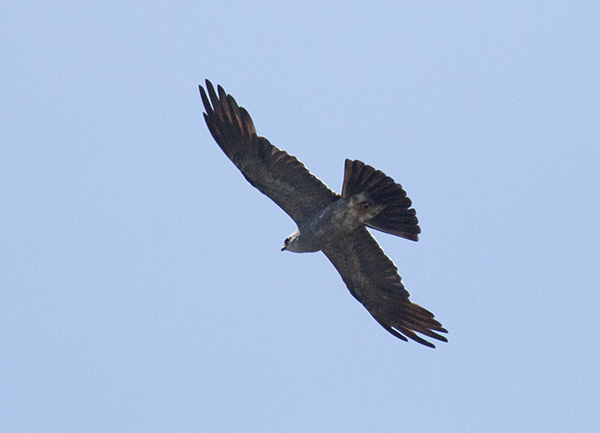
Photo of a Mississippi Kite soaring overhead against a background of light blue sky. The bird is in a relaxed soaring position—wings extended, tail feathers spread, and eyes focused forward.
Mississippi Kite folder, headed for the archive. (July 24, 2025)

Cicadas, Cicada Killers, and Freshly Pressed Gratitude

Cicada Sept 2

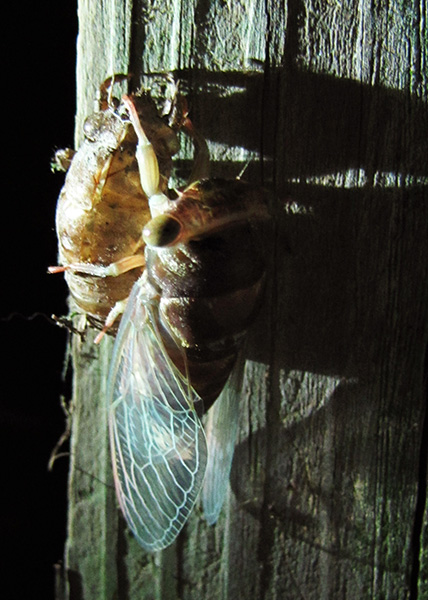
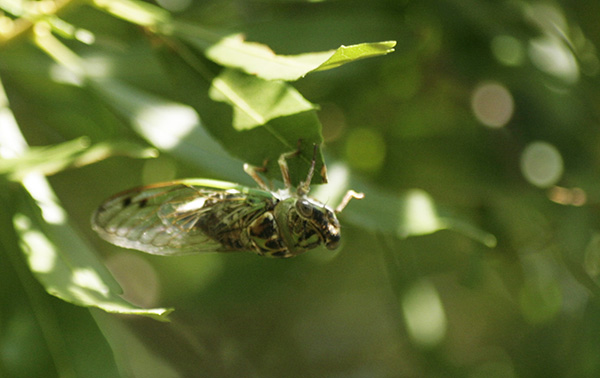
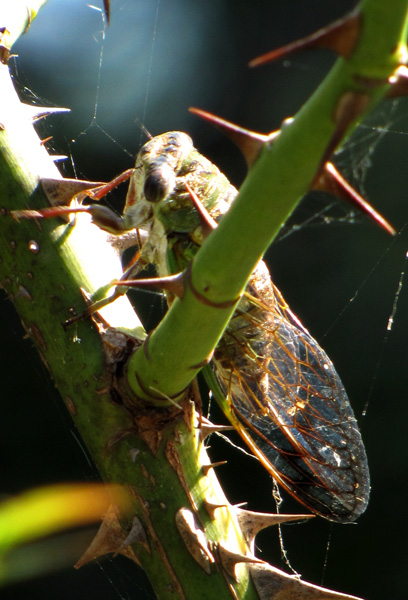
It’s cicada season in the yard. Each night a handful of them emerge from the ground and undergo their final molt.

Cicada August 21

They climb until some secret signal tells them they have climbed high enough, then they wait.

Cicada August 21

The wait must be uncomfortable–squeezed tight in hardening skin, wings constricted, an itchy seam along each tense back. Do they already understand flight? Do they regret leaving the safety of their root-laced tunnels?

Cicada August 21

Or do they simply stretch their new bodies until their old existence ruptures, until their wings straighten and strengthen, until they fling themselves into the dark abyss of the humid night sky.

Cicada August 21

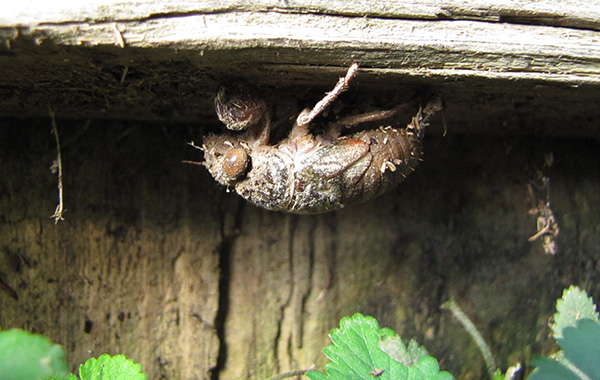
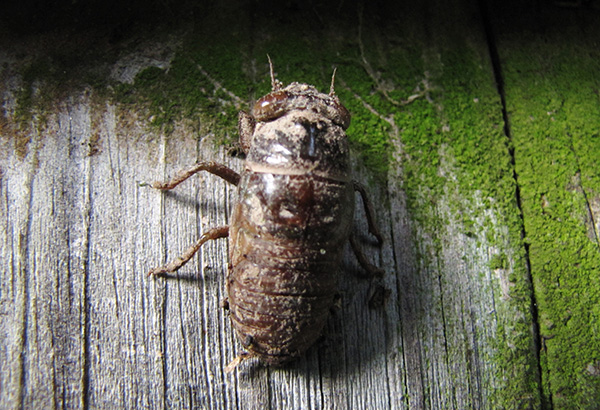
Compared to last year’s numbers, the yard’s cicada population is small this year. Their molts are not accumulating in heaps at the base of the fence or over the roots of our trees. There’s no steady drone of cicada song, only occasional bursts from the wax myrtle.

Cicada Sept 2

Cicada Sept 2

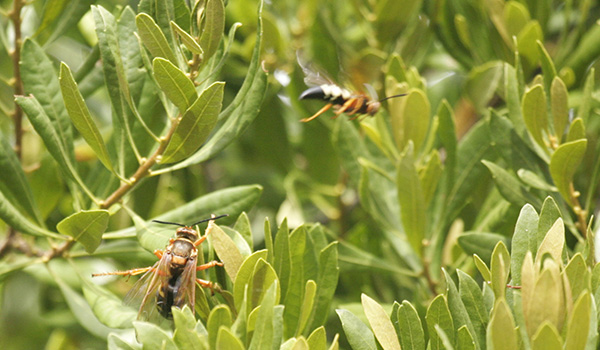
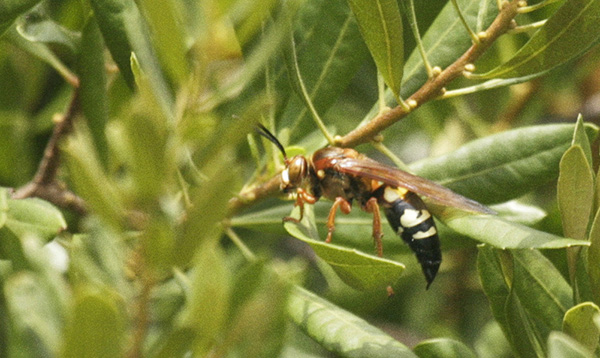
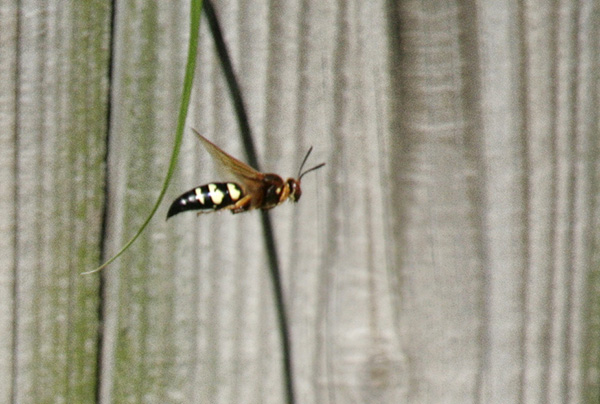
Despite the relatively low number of cicadas, the yard has an unusually high concentration of cicada killer wasps.

Cicada Killer August 15

Here’s a post about these wasps from the Scientific American Blog Network:  A Feast of Cicadas. Our yard doesn’t have as many wasps as are described in the linked post, but I’ve seen more this year than ever before.

Cicada Killer August 15

But, are there actually more wasps than before? Or do I simply notice them more?

Cicada Killer August 15

Moving away from unanswerable questions, here’s a video from last summer:

In a final note, I want to thank the WordPress editors who Freshly Pressed my last post. Also, I want to thank the readers who visited the post, especially those who clicked the “like” button and commented. Each notification e-mail included links to your blogs, and I followed as many as time allowed. I found stories and poems full of laughter, tears, inspiration, and wisdom. I saw marvelous photographs, bookmarked tempting recipes, and added a dozen books to my wish list. It’s been a wonderful experience. Thank you!

A Sunny Mid-Winter Day

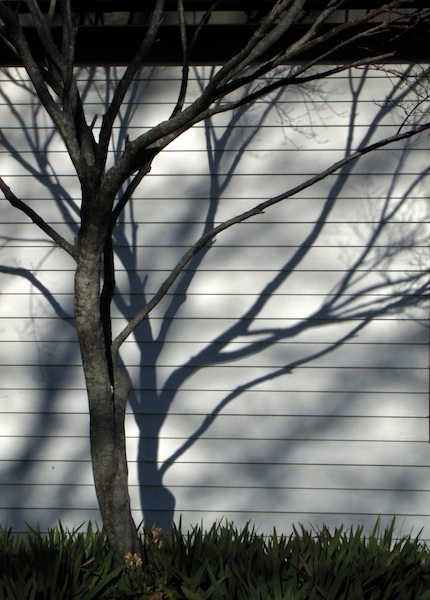
Shadows Jan 7

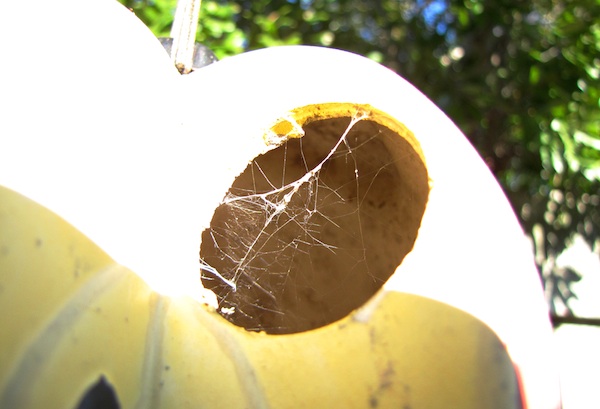
Today’s bright sunshine lured me into the yard, where I spent the afternoon starting (but not finishing) a number of chores. My first job involved two small bird houses, which have become a winter refuge for spiders. Determined to avoid more encounters with black widow spiders, I wanted to clean out the webs and evict any venomous guests.

Spiderweb Jan 7

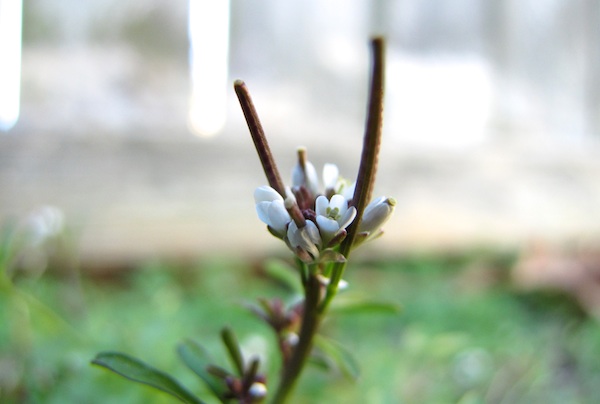
I’ve been dreading this task, and I was relieved when a clump of weeds with tiny white flowers gave me an excuse to put off confronting the spiders.

Weed Jan 7

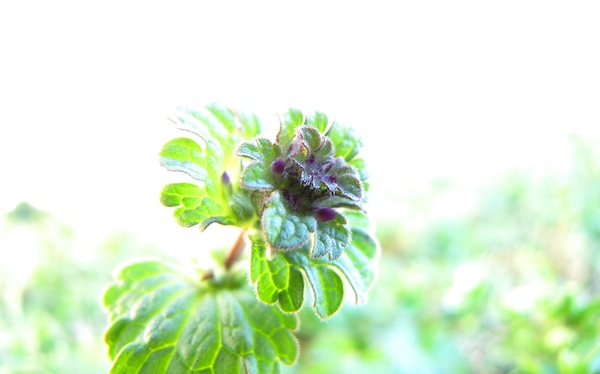
After photographing the unfamiliar weed (I believe it might be hairy bittercress), I crawled through patches of henbit and speedwell, trying to capture their enchanting beauty.

Henbit Jan 7

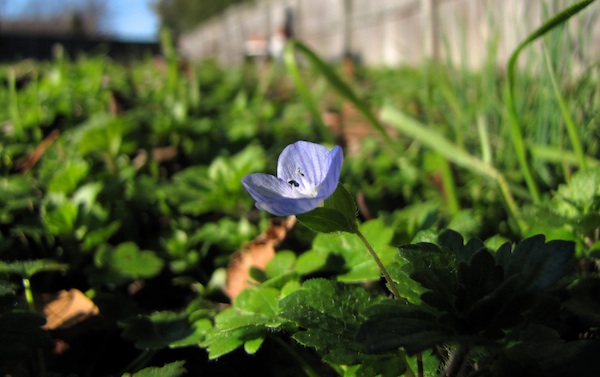
Speedwell Jan 7

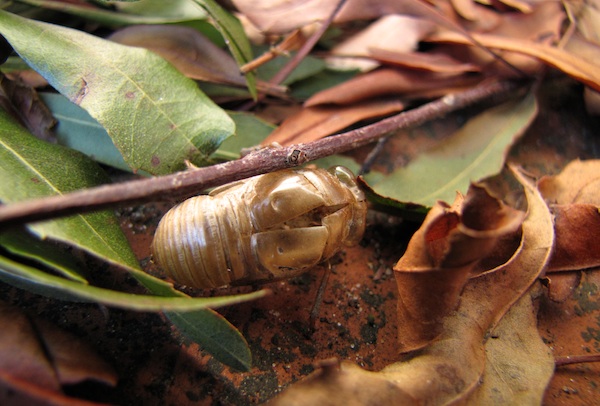
I crossed half of the yard on my hands and knees before I remembered the bird feeders. Dusty and empty, all of the feeders needed attention. Under the second feeder, I found a cicada molt.

Cicada Molt Jan 7

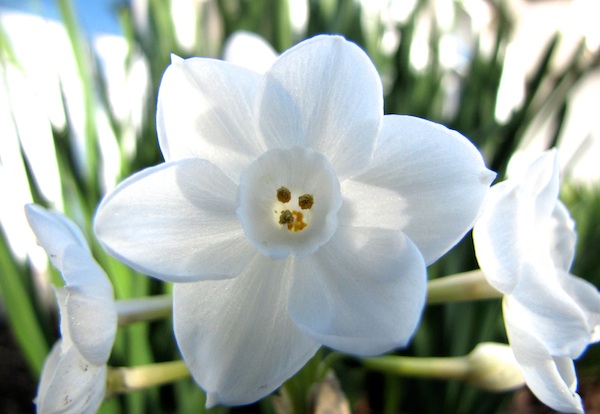
A short time later, I moved into the front yard. Before reaching the final bird feeder, I stopped to take a photo of paperwhites.

Paperwhite Jan 7

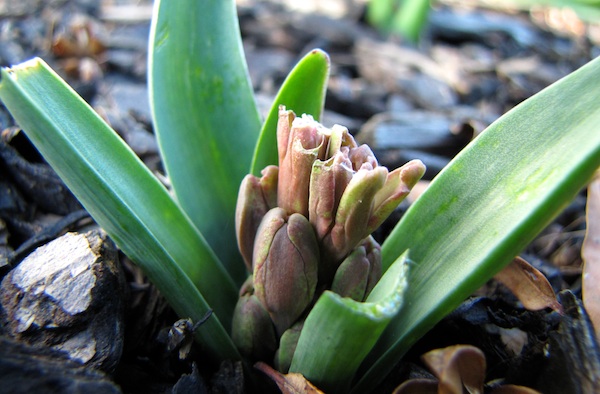
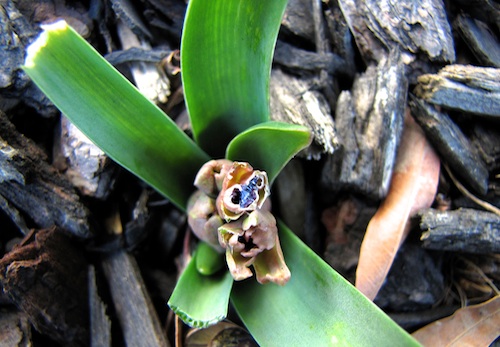
Beside the paperwhites, a single hyacinth was trying to bloom. Trying unsuccessfully, for the moment, because something has been grazing on it.

Hyacinth Jan 7

Hyacinth Jan 7

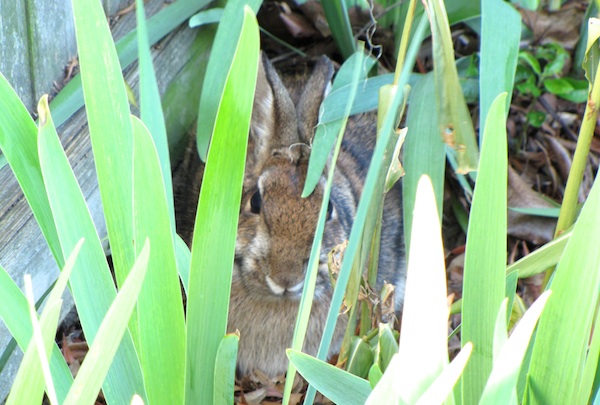
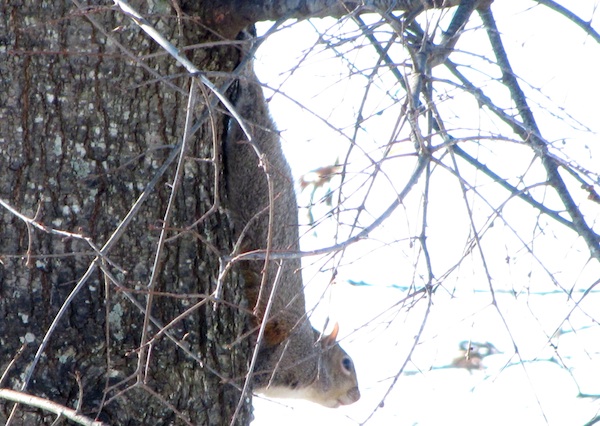
A quick search for suspects found a rabbit hiding in the irises and a squirrel trying to hide in a nearby tree. They both looked guilty to me.

Rabbit Jan 7

Squirrel Jan 7

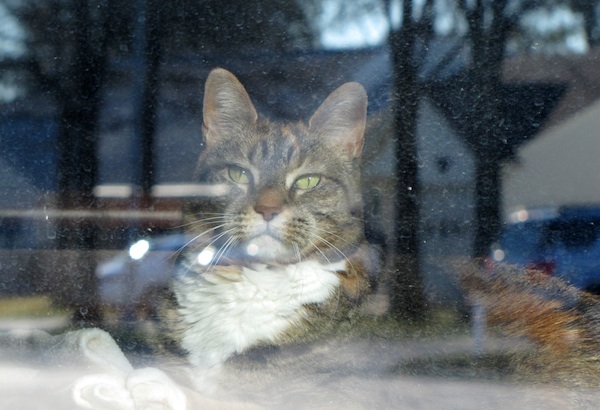
Distracted by rabbits and squirrels, I never finished the last feeder. I also didn’t get to the windows, which are disgracefully dirty.

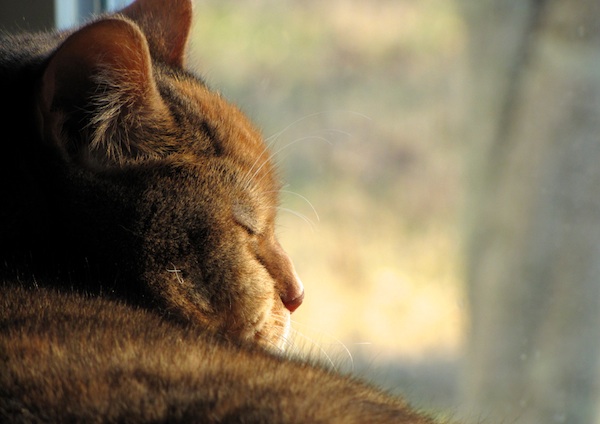
Cat Jan 7

But I don’t regret my disorganized day, which ended on a sunny, sleepy note.

Cat Jan 7

I can clean bird houses, feeders, and windows some other day, some cloudy day when the yard doesn’t sparkle with wonders.

Warm Spell

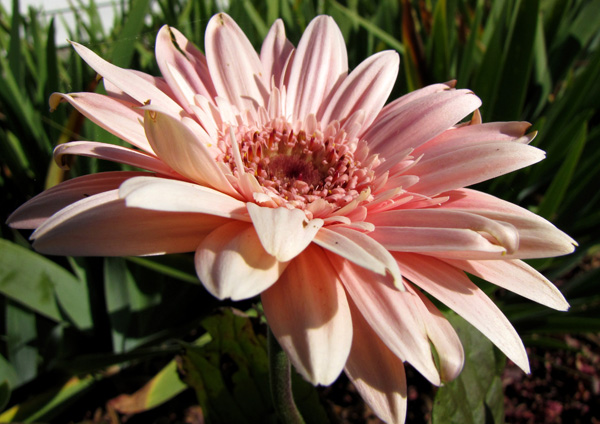
December 4 Daisy

With swirling breezes and temperatures in the seventies, today might have been mistaken for spring.

December 4 Dandelion

December 4 Dandelion

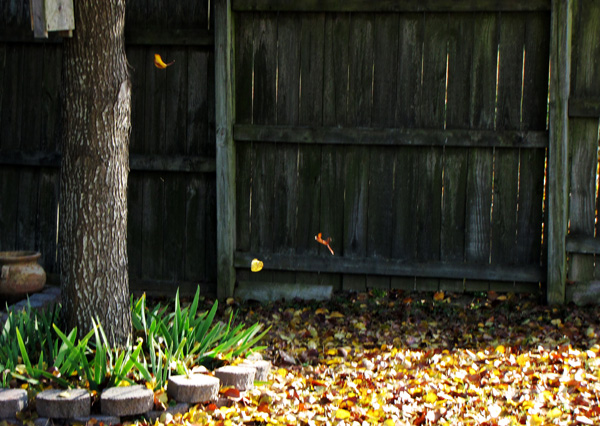
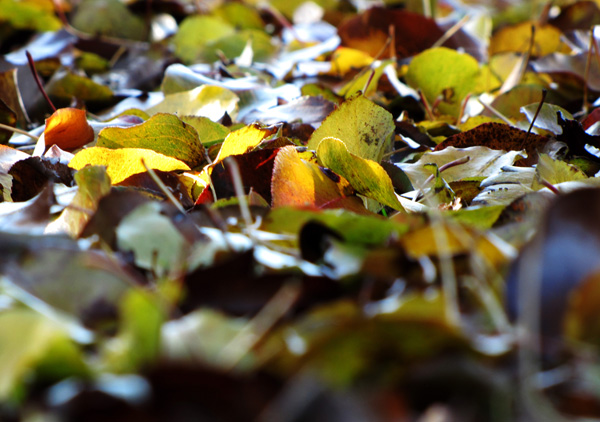
The pear tree shrugged off its cloak of leaves and stood all day, bare-limbed, in a pool of gold and brown.

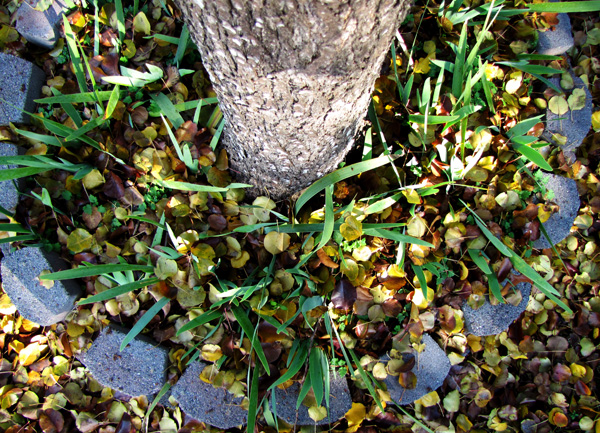
December 4 Leaves

December 4 Leaves

December 4 Leaves

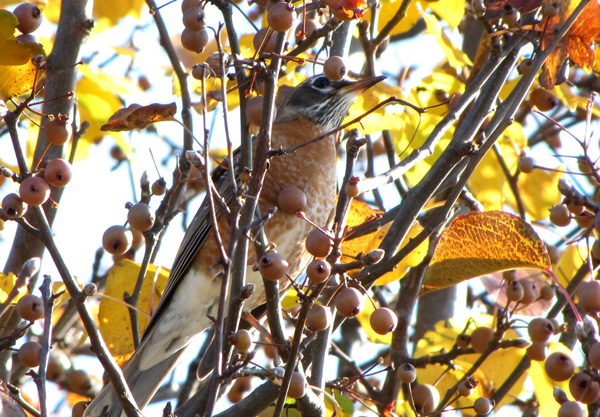
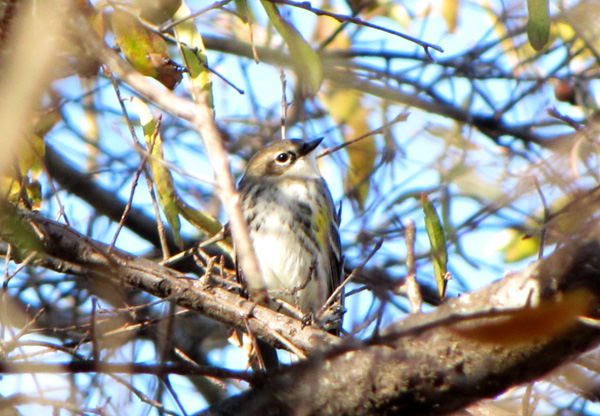
Robins and warblers perched on sunlit branches, their restless urge to forage temporarily forgotten.

December 4 Robin

December 4 Warbler

But today’s weather shouldn’t fool any of us, trapped as we are in winter’s web.

December 4 Cicada Molt

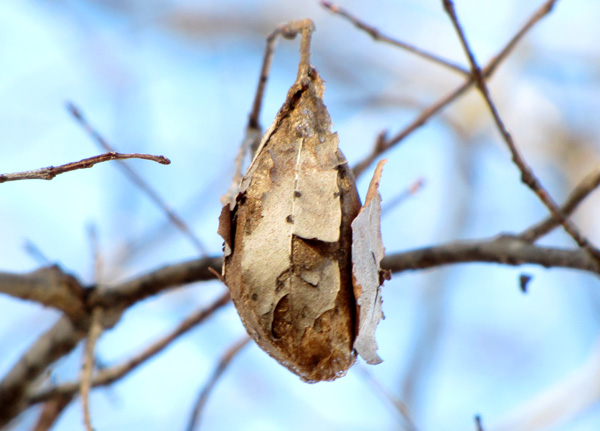
An early dusk approaches, wheeling night behind it. Sleep is creeping through the yard, with months to go before waking.

December 4 Cocoon

Insects in The Yard (Arachnophobia Alert!)

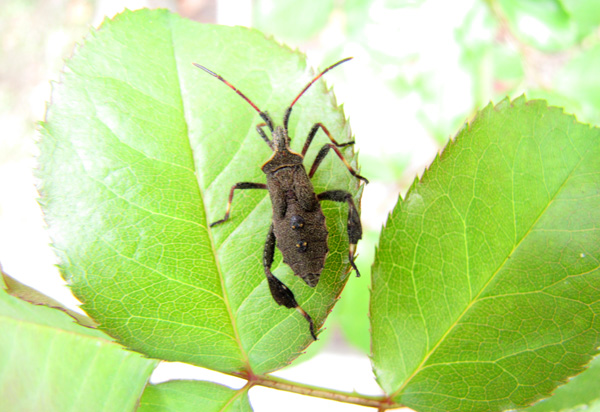
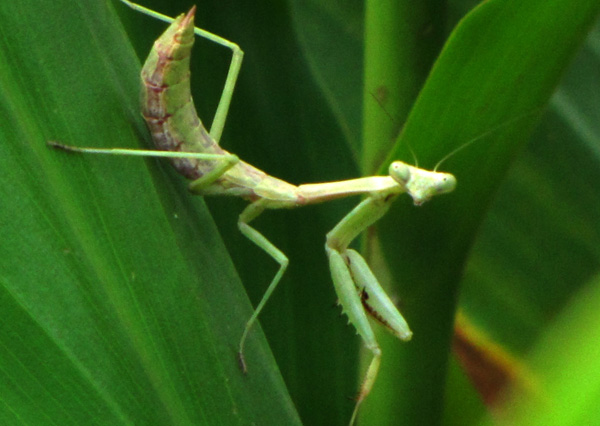
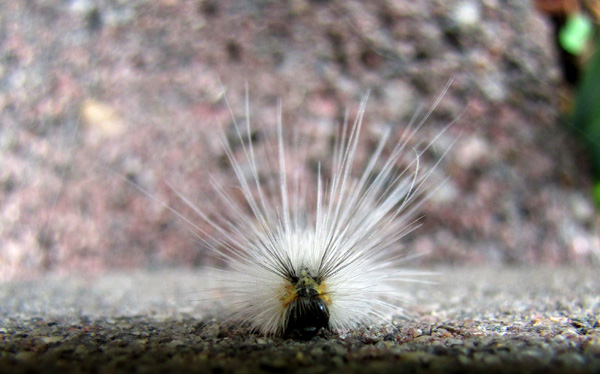
These images were selected for various posts in September and October, but fell short somewhere along the way. Some posts changed course, mid-process, and the photos were no longer relevant. Sometimes the photos were redundant or too tangential, sometimes they simply didn’t “fit”.

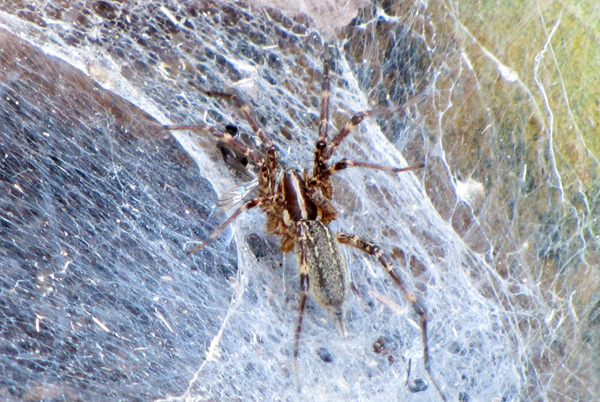
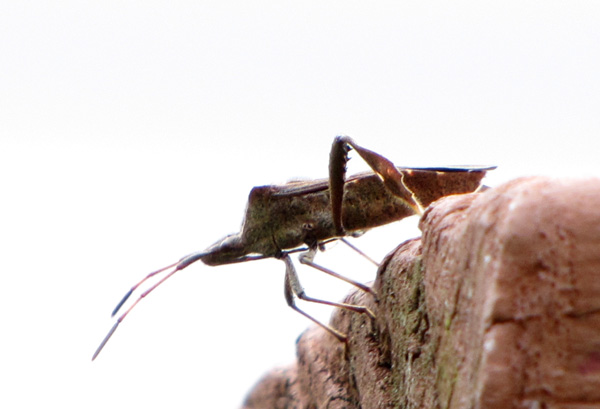
Whatever their failings, they’ve been collecting in a “Miscellaneous Insects” folder on my desktop. Today seemed like a good day to post them, before I sentence them to the External Hard Drive Archive…