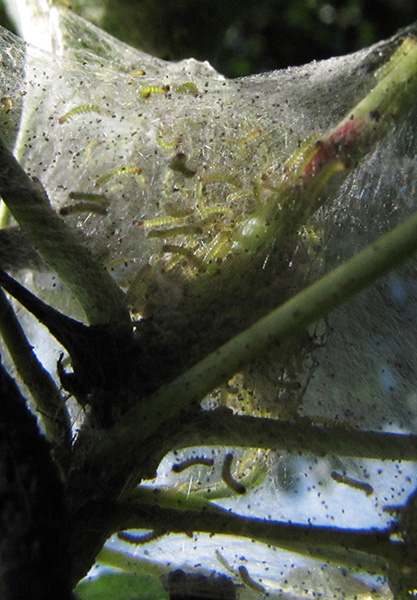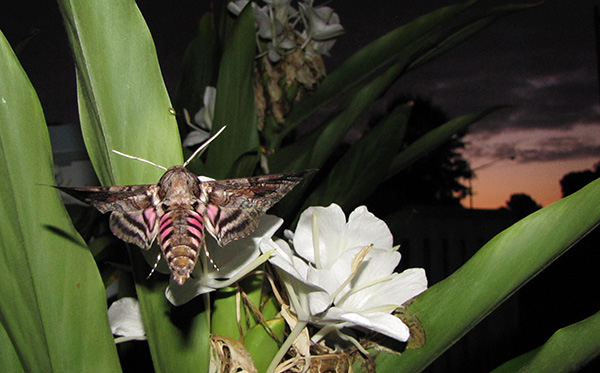
Hampton Roads Writers 5th Annual Conference, 2013

Pink Spotted Hawkmoth Sept 22

As evening approached on Thursday, September 19, the writers gathered. Drawn by the promise of shared wisdom and new perspectives on writing, we made our way to the second floor of the Westin Virginia Beach Town Center.

Pink Spotted Hawkmoth Sept 22

This year I challenged myself with sessions about short story writing and first person point of view. (I rarely attempt short fiction, and I never write in first person.) Between challenges, I attended sessions about copyright, novel writing, and poetry.

  • Creating the World in a Short Story — Clifford Garstang
  • Copyrights and Wrongs: Fair use of quotes & other things to avoid a lawsuit — Jeff Ourvan
  • Where Does My Story Start: How to Write a Winning First Chapter — Lisa McMann
  • First Person Problems: The specific challenges and opportunities of writing first person — Lydia Netzer
  • Different Voices, Different Times — Lydia Netzer
  • Do Put Words in my Mouth: Creating realistic and effective dialogue — Ethan Vaughan
  • Exquisite Sounds — Jeanne Larsen

Pink Spotted Hawkmoth Sept 22

Each morning of the conference started with a keynote address followed by First Ten Lines Critique sessions. The critique panel consisted of authors Lisa McMann (Friday morning only) and Kevin Maurer, along with literary agents Ethan Vaughan, Jeff Ourvan, and Dawn Dowdle.

Recurrent themes emerged as the panelists discussed samples of writing submitted by conference attendees. Overwriting hampered many openings. Weak dialogue and too much description slowed the pace. Shifts in tense and point of view distracted from the stories.
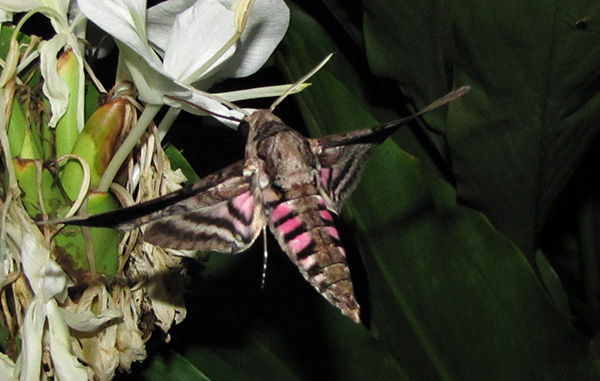
Pink Spotted Hawkmoth Sept 22

Each of these problems exist in my writing, but they are easier to see in someone else’s lines. I came away from these sessions with renewed gratitude for my writing partners, who see my mistakes more readily than I do.
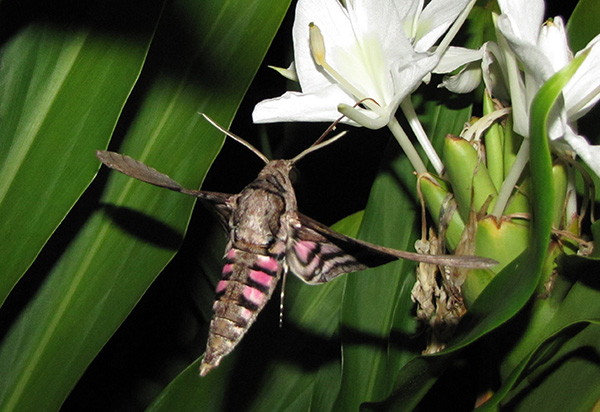
Pink Spotted Hawkmoth Sept 22

I could spend weeks cataloguing what I learned and fail to cover it all. I could read for months and not read all the books I discovered.* Instead of attempting either, I’m writing.
Pink Spotted Hawkmoth Sept 22

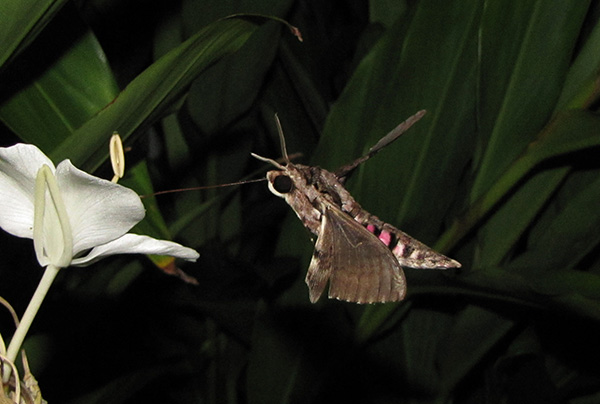
I’m following paths of scent and light, spreading grains of pollen gathered at the conference. Perhaps a few of my poems and stories will germinate, will take root and grow.

Pink Spotted Hawkmoth Sept 22

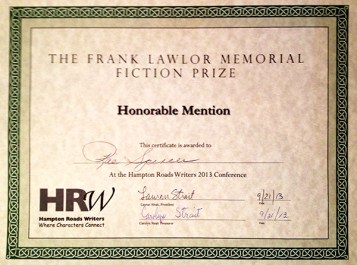
The conference ended with a delightful surprise. My short story (my only “finished” short story) won Honorable Mention in The Frank Lawlor Memorial Fiction Prize!
HRW 2013

* I came home with a new title from Unbound Content, and I’m waiting impatiently for delivery of books by Jeanne Larsen and Lisa McMann. Next year, I’ll order Lydia Netzer’s new book as soon as it is released. In the meantime, I’ll read Shine Shine Shine again.
Spider Wasp (Arachnophobia Alert!)

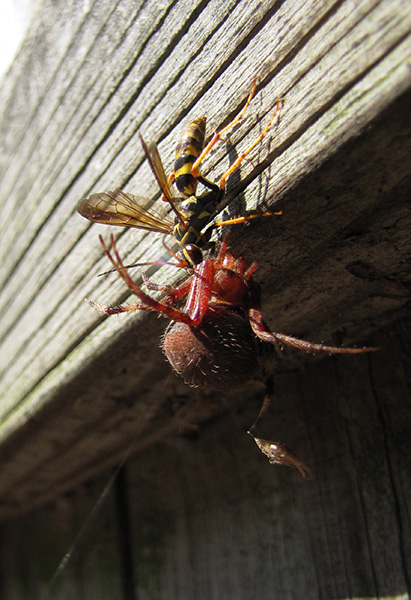
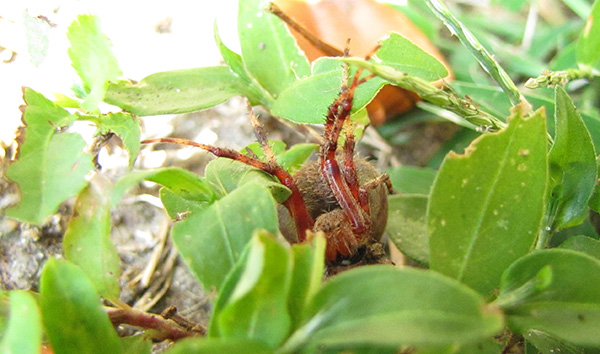
I was talking on the phone yesterday afternoon, laughing (and cringing) about how awful it feels to walk through a spider web, when I noticed something moving along the fence. It looked like a leaf, caught (of course) in one of the yard’s many spider webs, being blown about by the wind. But it moved too far along the fence to be anything anchored in a web, and it moved far too purposefully.

Wasp and Spider Sept 12

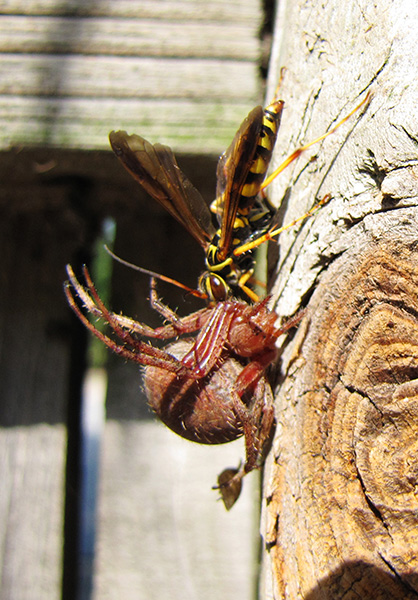
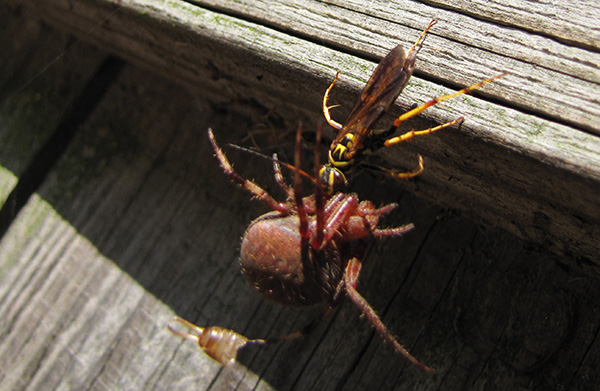
After I hung up the phone and raced to find my camera, I spent nearly an hour watching this little wasp. First she hauled her prey along the middle rail of the fence …

Wasp and Spider Sept 12

… lowered it down one of the posts …

Wasp and Spider Sept 12

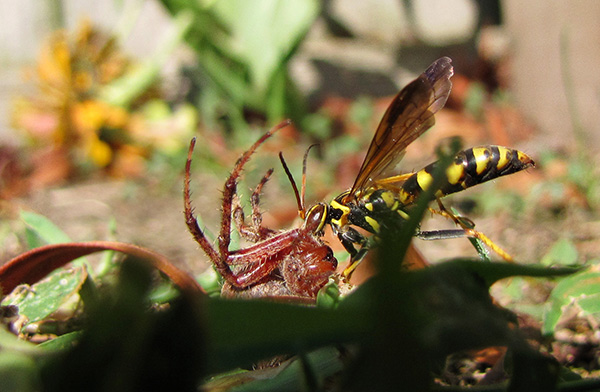
… and tugged it over the ground until she found a clump of grass big enough to hide it.

Wasp and Spider Sept 12

Wasp and Spider Sept 12

Wasp and Spider Sept 12

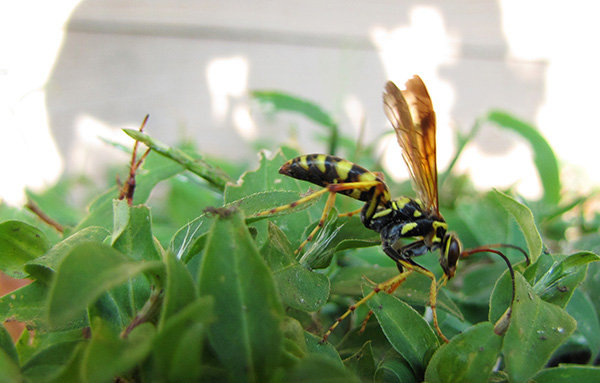
Then she crawled under an adjoining clump of grass and started digging, emerging every so often to check her catch. She seemed to be measuring, trying to see if her burrow was big enough yet.

Wasp and Spider Sept 12

Wasp and Spider Sept 12

Once the burrow was finished, she turned the spider around a few times, wrestled it down through the clump of grass, and presumably buried it in her burrow with one (or more?) of her eggs.

Wasp and Spider Sept 12

The dynamic between these two predators, between the web spinner and its stinging foe, seems particularly cruel to me. Chances are the spider wasn’t dead when the wasp buried it with her egg. Merely paralyzed by her sting.

It’s a story that belongs in a horror movie or a nightmare, not in the yard. Except, it does belong in the yard. It belongs anywhere there are spiders and spider wasps. Perhaps what doesn’t belong are my words. Perhaps there is no place in the yard, at least in the lives of spiders and spider wasps, for words like “cruel” and “nightmare.” But where is the line? Where on the spectrum of consciousness do words begin? More importantly, where does empathy begin?

Cicadas, Cicada Killers, and Freshly Pressed Gratitude

Cicada Sept 2

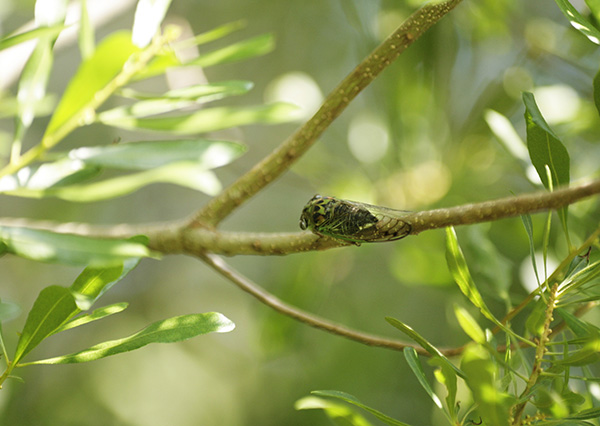
It’s cicada season in the yard. Each night a handful of them emerge from the ground and undergo their final molt.

Cicada August 21

They climb until some secret signal tells them they have climbed high enough, then they wait.

Cicada August 21

The wait must be uncomfortable–squeezed tight in hardening skin, wings constricted, an itchy seam along each tense back. Do they already understand flight? Do they regret leaving the safety of their root-laced tunnels?

Cicada August 21

Or do they simply stretch their new bodies until their old existence ruptures, until their wings straighten and strengthen, until they fling themselves into the dark abyss of the humid night sky.

Cicada August 21

Compared to last year’s numbers, the yard’s cicada population is small this year. Their molts are not accumulating in heaps at the base of the fence or over the roots of our trees. There’s no steady drone of cicada song, only occasional bursts from the wax myrtle.

Cicada Sept 2

Cicada Sept 2

Despite the relatively low number of cicadas, the yard has an unusually high concentration of cicada killer wasps.

Cicada Killer August 15

Here’s a post about these wasps from the Scientific American Blog Network:  A Feast of Cicadas. Our yard doesn’t have as many wasps as are described in the linked post, but I’ve seen more this year than ever before.

Cicada Killer August 15

But, are there actually more wasps than before? Or do I simply notice them more?

Cicada Killer August 15

Moving away from unanswerable questions, here’s a video from last summer:

In a final note, I want to thank the WordPress editors who Freshly Pressed my last post. Also, I want to thank the readers who visited the post, especially those who clicked the “like” button and commented. Each notification e-mail included links to your blogs, and I followed as many as time allowed. I found stories and poems full of laughter, tears, inspiration, and wisdom. I saw marvelous photographs, bookmarked tempting recipes, and added a dozen books to my wish list. It’s been a wonderful experience. Thank you!

The Empty Nest

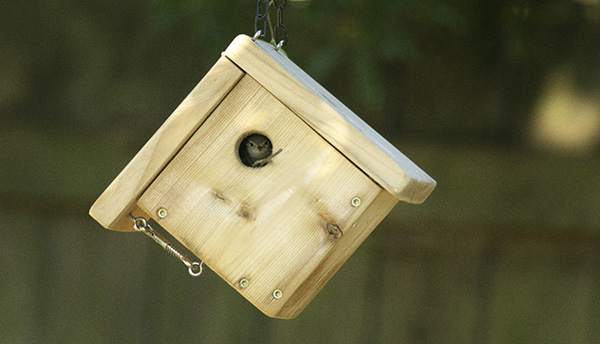
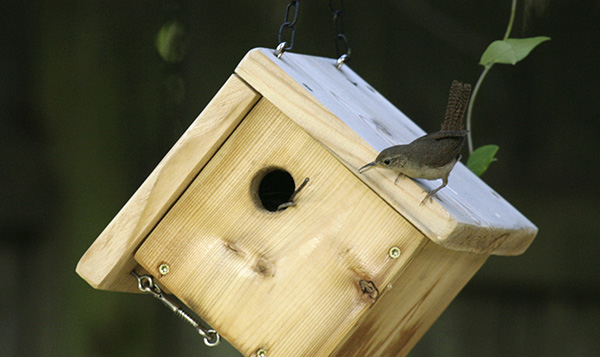
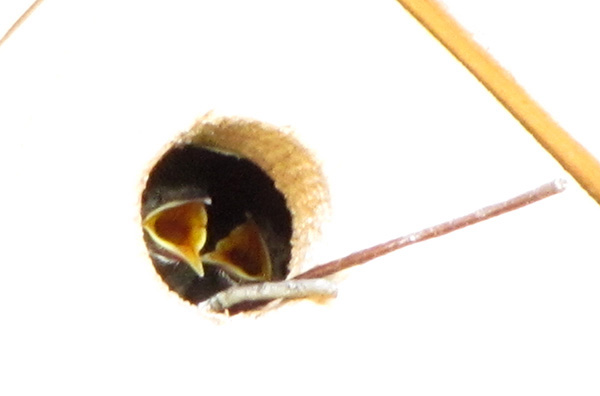
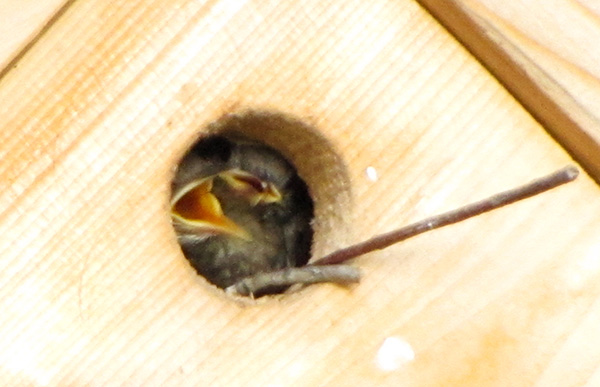
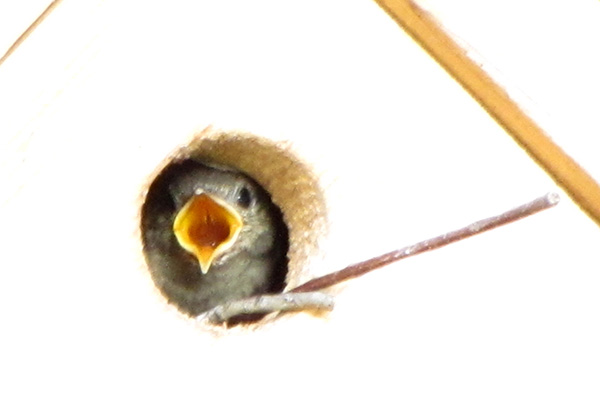
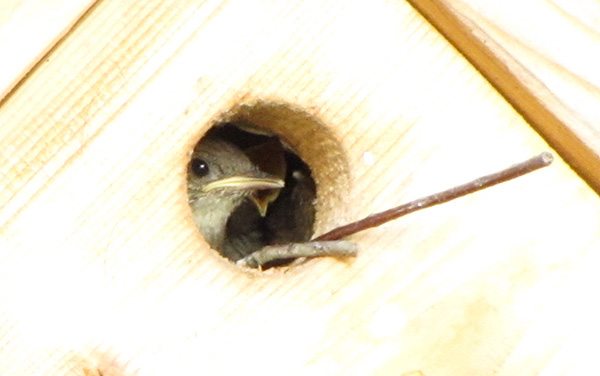
The house wrens’ nestlings fledged this week. They fledged while I was busy doing other things, and I regret missing the moment of their departure. (For more about the house wrens, see herehere, and here.)

Wren August 4

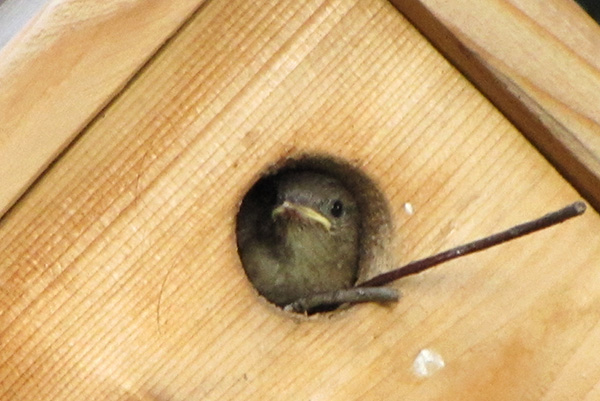
During the last two months, our little family of birds have been a constant source of amusement and amazement. At first the male worked alone, a tiny bustle of feather and song. Then his mate arrived, bristling with scolds. Together they transformed the nest box into a vessel seemingly immune to the laws of physics. They stuffed it with so many twigs that it should have burst at the seams or collapsed into a singularity. Instead it rocked gently in the wind as eggs were laid, as the first male lost control of the box and his eggs were destroyed, and as he reclaimed the box and eggs were laid again.
Wren August 14

In early August, the eggs hatched.

Wren August 15

Wren August 14

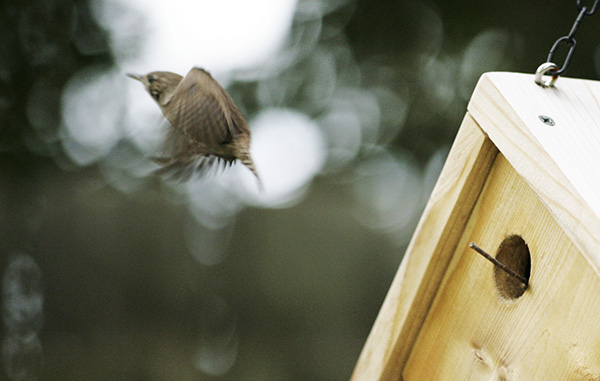
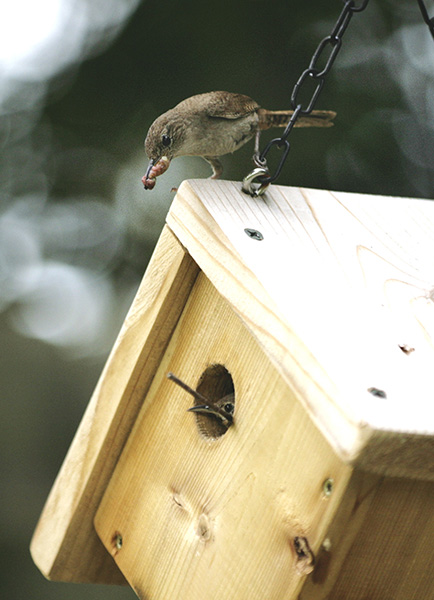
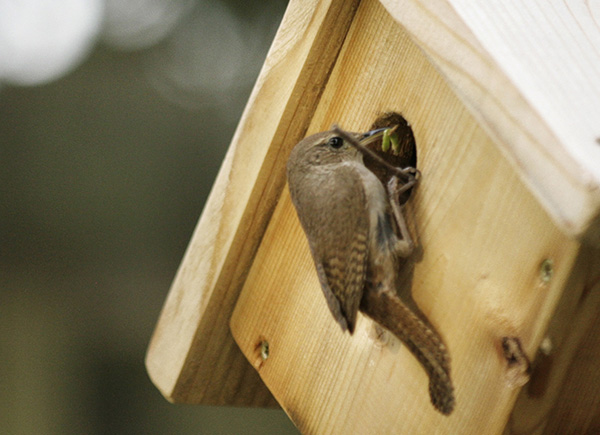
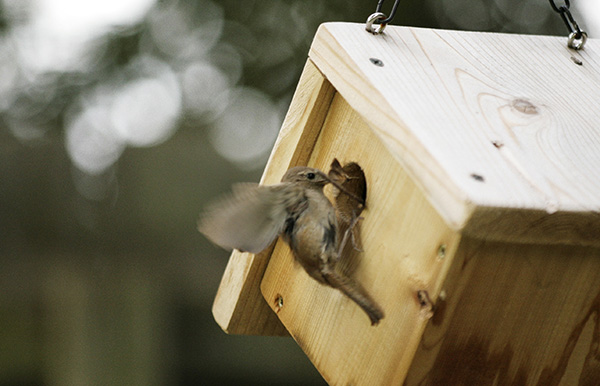
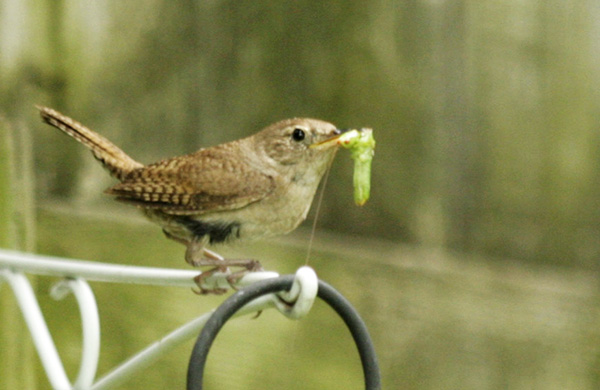
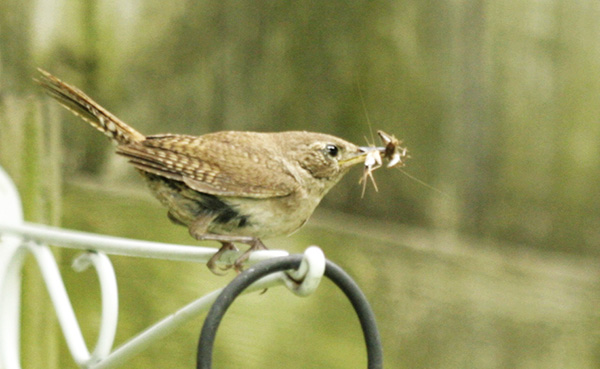
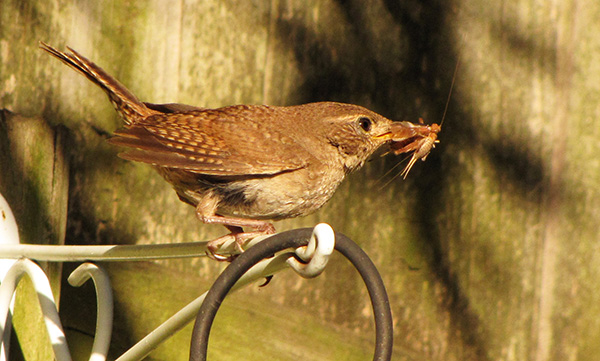
As the nestlings’ voices grew more and more insistent, the wrens again defied physics. They expended so much energy, feeding their young, that both birds should have grown weak and thin.

Wren August 14

Wren August 14

Among the insects I recognized, there were caterpillars, moths, katydids, and crickets.

Wren August 23

Wren August 23

The yard should have run out of insects, but it didn’t.

Wren August 23

Wren August 24

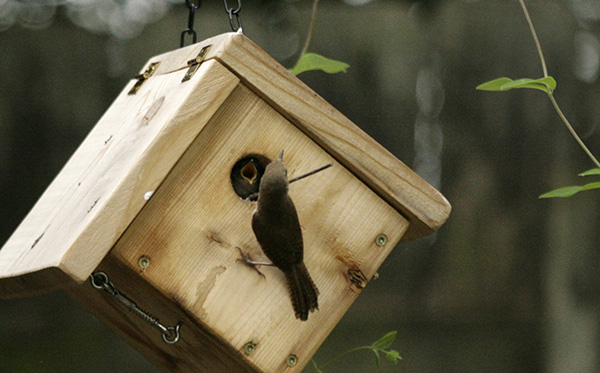
I don’t know how many nestlings they were feeding. More than the box should have been able to hold, wedged in with all of those twigs.

Wrens August 22

Wrens August 22

Wrens August 22

Wrens August 22

Wrens August 22

Then, around mid-morning on August 26th, I found the box abandoned.

I want to believe that I’ve heard the fledglings, in the days since, begging from deep within the wax myrtle, or from the neighbors’ yards, or across the street. I want to believe I would recognize them if they returned to the yard, which seems unnaturally quiet now.

Perhaps they will return next year, all grown up and beyond recognition. Perhaps they will fill the yard, once more, with songs and scolds. Fill the nest box with twigs and eggs, and, in the process, fill me with more delight than I should be able to hold.

Fall Webworms

Pear Leaf Aug 2

Earlier this month I noticed a few silk-encased leaves on the pear tree. I suspected the webs were the work of Eastern Tent Caterpillars, because I had found a few of these caterpillars under the pear tree last summer.

Last summer’s caterpillars never caused a problem in the tree, but this year the tree sprouted more and more webs.

Pear Leaves August

This afternoon I typed “tent caterpillar” into my web browser and within a few clicks discovered I was on the wrong track. It’s the wrong time of year, and our webs are located at the ends of branches rather than near the trunk. So these are not Eastern Tent Caterpillars. Instead, I believe they are Fall Webworms.

Caterpillars August

(My caterpillar identification process is not very scientific, consisting mostly of browsing the internet and trying find something that looks like my photos. Please comment if you can correct or confirm my identification!)

Caterpillars August

The caterpillars are not doing much damage. There are only six or seven webs, confined to the lowest branches on one side of the tree. The affected leaves are being eaten, but they represent a very small proportion of the tree’s total leaf count.

Caterpillars August

Caterpillars August

Even though our tree is not suffering, several nearby trees are completely shrouded in webs. As I’m reluctant to test the health of our pear tree, I’ve trimmed its most heavily webbed branches and opened the remaining webs as recommended.

Caterpillars August

I don’t know if the House Wrens will eat these caterpillars, or if they’ll leave them for other birds. But if they do eat the Fall Webworms, my work should make feeding their hungry nestlings a little easier.

Wrens August 22